
How Long Does Ceramic Coating Take to Cure? Full Cure Timeline
Most ceramic coatings take about 24 to 48 hours to become safe from light exposure, but full curing can take 7 to 14 days. During that time, keep the car dry, avoid washing it, park away from sprinklers, and do not let bird droppings, bugs, or harsh chemicals sit on the paint.
Ceramic coating usually needs 24 to 48 hours of initial cure time and up to 1 to 2 weeks to fully cure. The exact time depends on the coating brand, temperature, humidity, garage conditions, and how the product was applied.
I’m Brandon Walker, and I’ve learned this lesson the real way: by babying freshly coated paint after long weekends in the garage. Ceramic coating can make a car look deep, glossy, and slick. But the cure window matters.
If you rush it, wash too soon, park under a sprinkler, or drive through rain right away, you can weaken the finish before it has time to settle. This guide keeps things simple, practical, and beginner-friendly.
What Does Ceramic Coating Cure Time Mean?
Ceramic coating cure time means the time the coating needs to bond, harden, and settle on the clear coat. It does not become fully strong the second you wipe it off.
Think of it like paint, glue, or concrete. It may look finished at first, but it still needs time before it can handle water, soap, chemicals, road grime, and weather.
Most DIY ceramic coatings flash first, then level, then cure. Professional coatings may need longer controlled conditions. Always check the exact label on your coating bottle.
If you are new to paint protection and detailing, our car care guide is a good place to build your basic wash and maintenance setup.
For most DIY drivers, I recommend planning a ceramic coating job when you can keep the car indoors for at least 24 hours and avoid washing it for 7 days. That gives the coating a better chance to bond cleanly.
How Long Does Ceramic Coating Take to Cure?
Most ceramic coatings need two curing stages: initial cure and full cure.
The initial cure usually takes 24 to 48 hours. This is when the coating starts to set enough for light exposure. The full cure usually takes 7 to 14 days. This is when the coating becomes more stable and ready for normal use.
Some fast-cure spray ceramic products may be usable sooner. Some professional ceramic coatings may need longer. Temperature and humidity can change the timing a lot.
| Cure Stage | Typical Time | What It Means |
|---|---|---|
| Flash time | 30 seconds to several minutes | The coating starts to react and haze before wipe-off |
| Initial cure | 24 to 48 hours | The coating begins to harden and should be kept dry |
| Early protection period | 3 to 7 days | Avoid washing, chemicals, and harsh weather if possible |
| Full cure | 7 to 14 days | The coating reaches stronger durability and water behavior |
What Affects Ceramic Coating Cure Time?
The same coating can cure differently in a hot garage, cold driveway, humid shop, or dry climate. That is why cure time is not always one exact number.
Car and Driver has covered ceramic coating as a paint protection option, but even the best product still depends on prep and application. You can compare coating basics with Car and Driver’s ceramic coating guide.
| Factor | Effect on Cure Time | Best Practice |
|---|---|---|
| Temperature | Cold weather slows curing | Apply in a mild, controlled area |
| Humidity | High humidity can affect flash and leveling | Follow brand directions closely |
| Paint prep | Poor prep can reduce bonding | Wash, decontaminate, and polish if needed |
| Coating thickness | Too much product can streak or cure poorly | Apply thin, even layers |
| Water exposure | Early water can cause spots or weak areas | Keep the car dry during early cure |
How Ceramic Coating Cures on Car Paint
After application, the coating starts to bond to the clear coat. The solvents flash off first. Then the coating begins to harden into a slick protective layer.
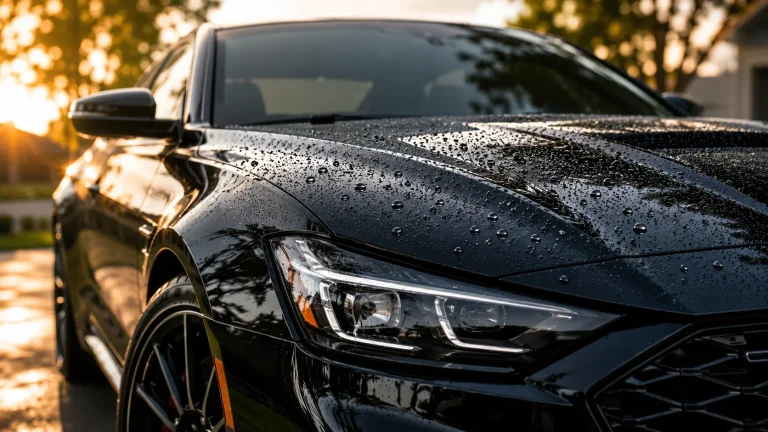
This layer helps with gloss, water beading, easier washing, and light chemical resistance. But it needs time before it can handle normal road use.
If the coating gets wet too early, water minerals can mark the surface. If you wash too soon, soap and towel friction can disturb the coating. If bugs or bird droppings sit too long, they can stain before the coating is fully stable.
How to Protect Your Car While Ceramic Coating Cures
The first few days matter most. You do not need to panic, but you should treat the car with care.
Park indoors if possible. Avoid rain, sprinklers, morning dew, and wet roads during the first day.
Do not use shampoo, pressure washing, foam cannons, or automatic car washes during the early cure stage unless your coating brand says it is safe.
If something acidic lands on the paint, remove it gently with a coating-safe detail spray and a clean microfiber towel. Do not scrub hard.
Avoid degreasers, tar removers, wheel acids, strong bug removers, and all-purpose cleaners on coated paint while it cures.
Look for high spots, streaks, or uneven patches. If you see them early, follow the coating maker’s fix instructions.
Check the weather before you coat your car. If rain, heavy pollen, frost, or high humidity is coming, wait for a better window. A rushed coating job can waste a lot of prep work.
Why Cure Time Matters for Car Owners
Cure time matters because it protects your time, money, and finish. Ceramic coating is not just a wipe-on shine product. It is a surface protection layer.
If you give it proper cure time, you get better gloss, stronger water behavior, easier washing, and longer coating life. If you rush it, you may see streaking, water spots, weak beading, or uneven protection.
Good cure care also helps reduce later correction work. Nobody wants to polish a freshly coated car because the coating got damaged in the first week.
On one weekend coating job, I kept the car in the garage for two full days and skipped washing for a week. The finish stayed slick, and the first rinse after curing showed tight water beads. The hardest part was not touching it too much.
Dos and Don’ts During Ceramic Coating Cure Time
- Do keep the car dry during the first 24 to 48 hours.
- Do park in a garage or covered area if possible.
- Do follow the exact cure time on the product label.
- Do remove bird droppings gently and quickly.
- Do wait before your first wash.
- Do not wash the car the next day.
- Do not park under trees, sprinklers, or power lines.
- Do not use strong chemicals during the cure period.
- Do not use a brush-style automatic car wash.
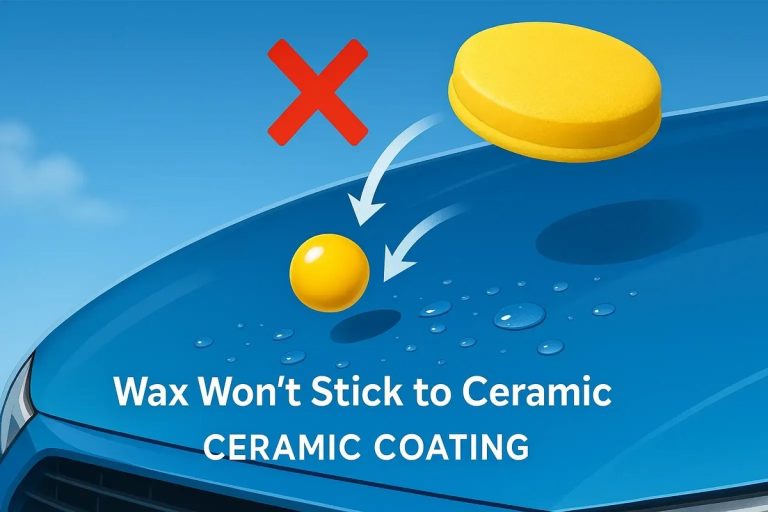
- Do not apply wax on top unless the coating maker allows it.
Ceramic Coating Cure Time Spec Sheet
These cure time tips apply to most ceramic coated cars, trucks, SUVs, EVs, motorcycles, coated wheels, and coated trim. Always follow the exact directions for your specific coating, especially if it is a professional-grade formula.
How Much Does Ceramic Coating Gear Cost?
If you are doing a DIY ceramic coating, the coating itself is only part of the cost. Prep tools, towels, lighting, and safe wash gear matter too.
If you are setting up your garage for paint care, our tools and garage gear guide can help you plan simple gear without overbuying.
Install Tips for Ceramic Coating Cure Time
Ceramic coating is not hard to understand, but it does reward patience. Your prep and your cure window both matter.
- Apply the coating when you have at least one dry day ahead.
- Use thin, even layers instead of heavy product.
- Work one small section at a time.
- Use clean towels for leveling and final wipe-off.
- Keep the vehicle inside overnight if possible.
- Do not rush the first wash.
- Check the coating’s listed cure time.
- See if the coating needs indoor curing.
- Check if the brand allows infrared curing or heat lamps.
- Make sure the coating is safe for your paint, wheels, trim, or glass.
- Read the first-wash instructions before application day.
Can You Drive While Ceramic Coating Is Curing?
Yes, you can usually drive after the initial cure window, but I prefer to wait at least 24 hours if possible. The safer answer depends on the coating instructions.
If you must drive, avoid rain, mud, dusty roads, sprinklers, and bug-heavy highways. Highway driving can throw insects, tar, and road grime onto fresh coating.
AAA has helpful general car care advice for drivers, and I like to think about ceramic coating the same way: a little prevention saves future work. You can browse AAA car maintenance articles for broader vehicle care tips.
Can Ceramic Coating Get Wet Before It Cures?
Fresh ceramic coating should not get wet too early. A little moisture may not ruin everything, but it can cause water spots or uneven marks.
If the car gets wet by accident, do not panic. Gently dry it with a clean microfiber towel. Do not scrub. If spotting appears, contact the coating maker or installer for the right fix.
Some coatings use a separate topper or cure spray after application. This can help protect the coating during the first few hours, but it does not replace the full cure window.
Apply ceramic coating in a well-ventilated area and wear gloves. Keep coating products away from skin, eyes, pets, and children. Do not apply near open flames, and always follow the product safety label.
When Can You Wash a Car After Ceramic Coating?
For many coatings, you should wait about 7 days before the first wash. Some brands allow washing sooner, and some professional coatings may ask for a longer wait.
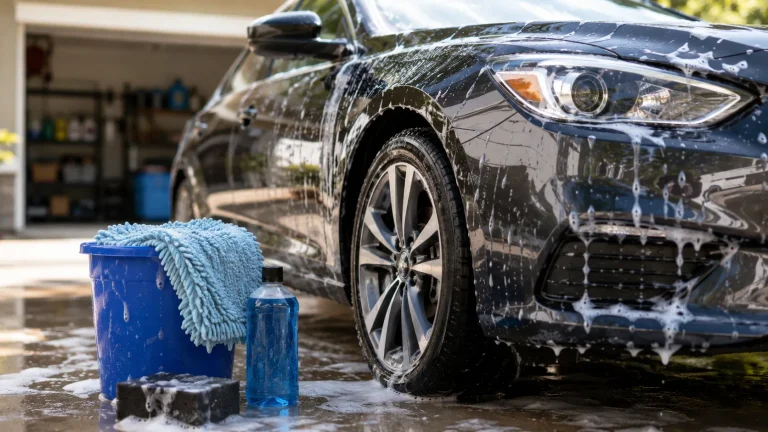
When you do wash it, use a gentle method. A pH-neutral soap, soft wash mitt, and microfiber drying towel are the safe choices.
Consumer Reports gives good general advice on safe car washing, including rinsing first and avoiding soap drying on paint. Those habits also help with coated cars. See Consumer Reports’ car washing tips for more wash basics.
For the full washing setup after the cure period, our exterior accessories guide can also help with towels, sprayers, covers, and outside car care gear.
Common Ceramic Coating Cure Problems
Most cure problems come from moisture, high spots, poor prep, or washing too soon. The earlier you catch them, the easier they are to fix.
| Problem | Likely Cause | What to Do |
|---|---|---|
| Water spots | Rain, sprinklers, or dew during early cure | Dry gently and ask the coating maker about spot removal |
| High spots | Coating was not leveled fully | Fix early using brand instructions |
| Streaks | Too much product or poor wipe-off | Use clean towels and inspect under bright light |
| Weak beading | Poor prep or coating not fully cured | Wait for full cure, then wash with coating-safe soap |
| Sticky feel | Product applied too thick | Contact installer or follow the coating correction guide |
Fresh ceramic coating can look glossy before it is fully cured. That shine does not mean it is ready for soap, pressure washing, or harsh weather yet.
Best Cure Plan for Different Vehicle Types
The cure plan can change based on how you use the vehicle. A garage-kept coupe is easy. A daily truck or family SUV takes more planning.
| Vehicle Type | Main Cure Risk | Best Cure Plan |
|---|---|---|
| Daily commuter | Rain, dust, bugs, and road grime | Coat before a weekend and keep indoors for 24 to 48 hours |
| Truck or SUV | Large panels, roof exposure, and water spots | Use good lighting and park under cover |
| Garage queen | Dust settling on fresh coating | Keep garage clean and avoid touching the paint |
| EV | Sensors, trim, and smooth panels | Avoid coating over sensors unless product is approved |
| Motorcycle | Heat, exposed parts, and small areas | Use coating only on approved surfaces |
Should You Use Heat Lamps to Cure Ceramic Coating?
Some pro shops use infrared lamps to speed up curing. This can work with certain coatings, but it is not something I recommend guessing with at home.
Too much heat, wrong distance, or uneven heating can cause problems. If the product does not mention heat curing, keep it simple. Use a dry garage and give it time.
Popular Mechanics has many useful DIY car care guides, but with ceramic coating, I like the slow and safe route unless the brand gives clear directions. You can browse Popular Mechanics car how-to guides for more garage-friendly car advice.
My Simple Ceramic Coating Cure Rule
Here is the rule I use for most DIY ceramic coatings:
- Keep the car dry for 24 to 48 hours.
- Do not wash it for 7 days.
- Avoid harsh chemicals for 2 weeks.
- Remove bird droppings and bugs gently right away.
- Follow the exact label over any general advice.
This plan is simple, safe, and easy to remember.
- Most ceramic coatings need 24 to 48 hours for initial curing.
- Full ceramic coating cure time is often 7 to 14 days.
- Keep the car dry during the early cure window.
- Avoid washing, chemicals, and brush car washes too soon.
- Always follow the coating brand’s exact cure instructions.
Ceramic coating cure time is usually 24 to 48 hours for the first stage and 1 to 2 weeks for full curing. Give the coating dry time, avoid washing too soon, and keep the paint away from water spots and harsh chemicals.
FAQ About Ceramic Coating Cure Time
Most ceramic coatings take 24 to 48 hours for initial cure and 7 to 14 days for full cure. Always check the product label for exact timing.
It is best to keep ceramic coating dry during the first 24 to 48 hours. Early water exposure can cause spots or uneven curing.
Many coatings recommend waiting about 7 days before the first wash. Use pH-neutral soap and clean microfiber once washing is allowed.
You can usually drive after the initial cure window, but it is safer to wait at least 24 hours and avoid rain, bugs, dust, and wet roads.
The coating may feel slick and show strong water behavior after curing, but time is the best guide. Follow the listed cure period from the coating brand.
Washing too soon may cause streaks, weak bonding, water spots, or reduced durability. Wait until the coating maker says washing is safe.
Heat can speed curing for some coatings, but only use heat lamps if the product instructions allow it. A dry garage and enough time are safer for most DIY users.
Final Thoughts
So, how long does ceramic coating take to cure? For most car owners, the safe answer is 24 to 48 hours for the first cure and 7 to 14 days for full curing.
My practical recommendation is simple. Apply the coating when the weather is clear. Keep the vehicle dry. Skip washing for about a week. Avoid harsh chemicals and brush washes during the early cure period.
If you treat the coating gently at the start, it has a much better chance to give you the gloss, slick feel, and easier cleaning you wanted in the first place.
One Comment