
Fabric vs Leather Seat Covers: Which Is Better for Your Car?

Fabric seat covers are usually better for hot weather, daily commuting, pets, and tight budgets. Leather or leather-style seat covers are better for easy cleaning, a premium look, and spill resistance. The best choice depends on comfort, climate, maintenance, vehicle fitment, and seat-airbag compatibility.
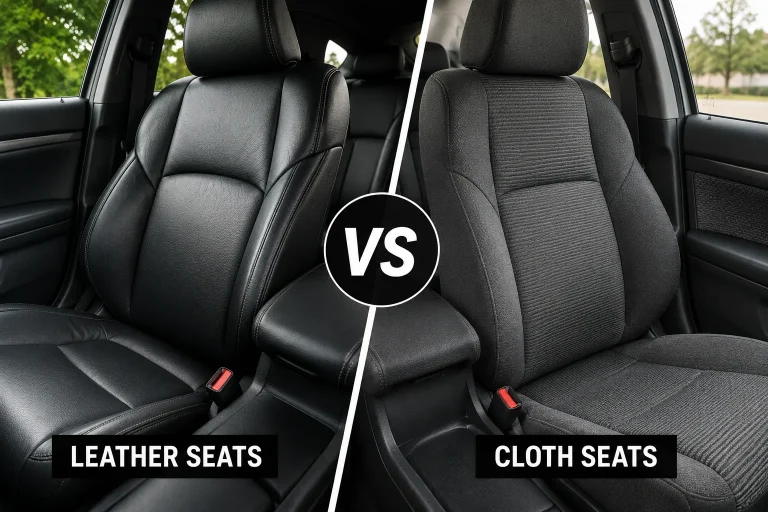
In the fabric vs leather seat covers comparison, fabric wins for breathability and everyday comfort, while leather-style covers win for appearance and easy cleanup. For most daily drivers, I recommend a breathable fabric cover. For families, rideshare cars, or drivers who deal with frequent spills, a quality leather-style cover may be more practical.
I’m Brandon Walker. I have used both fabric and leather-style seat covers in daily drivers, road-trip cars, trucks, and family vehicles.
I have learned that the best-looking cover is not always the best cover to live with. A seat cover must stay comfortable, fit securely, protect the original upholstery, and work safely with the vehicle’s seat features.
So, which material should you choose? Let’s compare them in simple terms.
Fabric vs Leather Seat Covers at a Glance
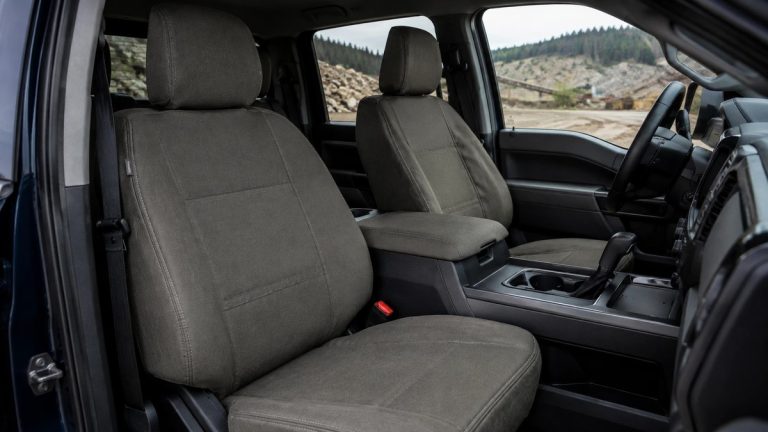
Fabric seat covers use materials such as polyester, nylon, canvas, mesh, velour, or woven blends. They often feel softer and cooler during long drives.
Leather seat covers may use genuine leather, bonded leather, synthetic leather, vinyl, or polyurethane leather. Many products sold as leather seat covers are actually leather-style covers made from synthetic material.
That difference matters. Genuine leather, bonded leather, vinyl, and polyurethane do not wear, breathe, or cost the same.
| Feature | Fabric Seat Covers | Leather-Style Seat Covers |
|---|---|---|
| Comfort in hot weather | Usually cooler and more breathable | Can become hot in direct sunlight |
| Cold-weather feel | Warms up quickly | May feel cold at first |
| Spill cleanup | May absorb liquid | Usually wipes clean quickly |
| Pet hair | Hair may stick to woven fibers | Usually easier to wipe or vacuum |
| Appearance | Casual and practical | Clean and premium-looking |
| Maintenance | May need machine washing | Usually needs wiping and gentle cleaning |
| Typical price | Lower to mid-range | Mid-range to premium |
| Best use | Commuting, hot climates, outdoor use | Family cars, rideshare, easy-clean interiors |
For most U.S. daily drivers, I would choose a tightly fitted, breathable fabric seat cover with washable panels and clear side-airbag compatibility. It offers the best mix of comfort, price, and year-round use.
How Fabric Seat Covers Work
Fabric covers create a soft barrier between your clothes and the factory seat. They help reduce direct rubbing, dirt, sweat, crumbs, pet hair, and light spills.
Because air can move through many woven materials, fabric often feels better in summer. It also feels less cold when you first sit down in winter.
However, fabric can absorb liquid. Coffee, soda, sunscreen, sweat, and muddy water may soak into the cover if the material does not have a protective coating.
Common Fabric Seat Cover Materials
- Polyester: Affordable, light, and available in many designs.
- Nylon: Strong and resistant to daily wear.
- Canvas: Tough and useful for work trucks, dogs, and outdoor gear.
- Mesh: Breathable and useful in hot areas.
- Velour: Soft and comfortable but harder to clean.
- Neoprene-style fabric: Water-resistant and padded, but sometimes warmer than basic cloth.
How Leather and Leather-Style Seat Covers Work
Leather-style covers create a smoother and less absorbent surface. Most small spills remain on top long enough to wipe away.
They also provide a more polished interior look. This is why many rideshare drivers and family-car owners like them.
The trade-off is heat. A dark leather-style cover can become very warm when the car sits in the sun. Thick synthetic material may also reduce airflow from ventilated seats.
Many products labeled “leather seat covers” are made from polyurethane leather, vinyl, bonded leather, or a mix of materials. Check the material list instead of relying only on the product title.
How to Choose Between Fabric and Leather Seat Covers
Start with your real driving habits. Do you park outside? Carry children? Drive with a dog? Spend hours commuting?
Your climate and daily use matter more than color or stitching.
Choose breathable fabric for very hot areas or long summer drives. Consider leather-style covers when easy spill cleanup matters more than heat control.
Fabric works well for normal commuting. Leather-style covers may be easier for children, rideshare passengers, food spills, and muddy shoes.
Check for seat-mounted side airbags, heating, ventilation, powered controls, memory settings, armrests, and adjustable headrests.
Custom-fit covers usually stay in place better. Universal covers cost less, but the shape and openings may not match your seats.
Look for a smooth, nonabrasive backing. Avoid rough rubber, exposed hooks, or stiff seams that may rub the original upholstery.
Buy fabric only if you can wash and dry it correctly. Buy leather style only if you are willing to wipe it often and use a suitable cleaner.
Never assume a cover is safe for a seat-mounted airbag. Check the cover maker’s fitment information and your vehicle manual.
If your driver seat has a large outer bolster, choose a cover with strong side panels and secure lower straps. That area takes heavy wear every time you enter and leave the vehicle.
Why the Material Choice Matters
Seat covers do more than change the look of your cabin. They affect comfort, cleaning, seat temperature, original upholstery wear, and access to safety features.
A poor material choice becomes annoying fast. A hot cover makes summer drives uncomfortable. An absorbent cover becomes a problem after frequent spills. A loose cover can slide under your body.
The right material can also help protect resale value by keeping the factory seats cleaner and reducing everyday wear.
You can compare more seat protection products in our interior accessories guide. For safe cleaning methods, visit our car care guide.
For broader vehicle maintenance advice, Consumer Reports’ car maintenance resources can help owners plan routine interior and mechanical care.
I once used thick black leather-style covers during a summer road trip. They looked great and handled drink spills well, but they became very hot after parking outside. On the next trip, I used breathable fabric covers. They needed more cleaning, but they stayed much more comfortable during long driving days.
Fabric Seat Covers: Pros and Cons
- Usually cooler in hot weather
- Soft and comfortable on long drives
- Often less expensive
- Many colors and patterns are available
- Some designs are machine washable
- Good for daily commuting
- Less slippery than smooth synthetic leather
- May absorb spills and sweat
- Can hold odors
- Pet hair may stick to the fibers
- Stains can be harder to remove
- May need removal for deep cleaning
- Cheap fabric can fade or pill
- Some thick fabrics reduce seat ventilation
Leather Seat Covers: Pros and Cons
- Easy to wipe after small spills
- Clean and premium appearance
- Pet hair is usually easier to remove
- Good resistance to crumbs and surface dirt
- Useful for rideshare and family vehicles
- Often provides strong surface protection
- Available in custom-fit designs
- Can become hot in summer
- May feel cold during winter
- Usually costs more than basic fabric
- Low-quality material may peel or crack
- Smooth surfaces may feel slippery
- Thick covers may weaken seat heating
- Solid panels may block ventilated-seat airflow
Fabric vs Leather Seat Cover Specifications
Compatibility With Modern Vehicle Seats
Fabric and leather covers can both work on modern seats, but material alone does not make a cover compatible. Check openings, seams, straps, and fit around side airbags, headrests, controls, seat belts, heating elements, ventilation fans, and child-seat anchors.
Many newer cars have side airbags built into the outer edge of the seatback. The cover must have a compatible seam or opening in the correct location.
Some front passenger seats also contain occupancy sensors. Thick padding or poor installation may affect how the seat feels or how weight sits on the cushion.
Check NHTSA’s air bag safety information and your owner’s manual before installing covers on seats with built-in airbag systems.
Heated Seat Compatibility
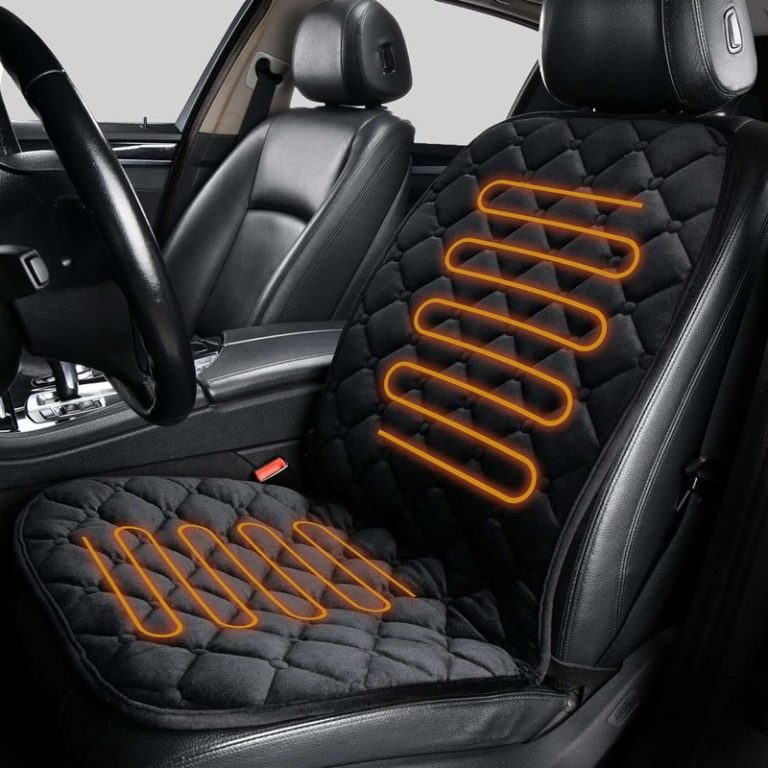
Both fabric and leather-style covers can reduce heat transfer. Thin materials usually work better than thick foam-backed designs.
Do not use a cover with heating elements unless the product is designed for automotive use and installed according to its instructions.
Ventilated Seat Compatibility
Ventilated seats move air through perforations in the factory upholstery. Solid leather-style covers may block most of this airflow.
Mesh or perforated covers may work better, but even they can reduce performance. Check the cover maker’s compatibility notes.
Our car tech guide explains more about electronic cabin features that can affect accessory fitment.
How Much Do Fabric and Leather Seat Covers Cost?
Basic fabric covers are usually the least expensive. Custom-fit leather or premium synthetic leather sets often cost much more.
The total price depends on the number of seats, material quality, stitching, padding, airbag design, and vehicle-specific fit.
These are broad U.S. estimates. Full sets for large SUVs, trucks, split rear benches, and luxury seats may cost more.
- Confirm the vehicle year, make, model, and trim
- Check whether the seat has a built-in side airbag
- Look for headrest and armrest openings
- Confirm access to seat belts and child-seat anchors
- Check heated and ventilated seat compatibility
- Read the exact material description
- Choose a smooth, nonabrasive backing
- Check washing or cleaning instructions
- Review the return policy in case the fit is poor
- Avoid covers that block seat controls
Installation Tips for Fabric and Leather Seat Covers
- Vacuum the original seat before installation
- Clean and dry the upholstery fully
- Match each cover to the correct seat
- Keep airbag seams clear
- Route straps away from wiring and motors
- Do not attach hooks to electrical cables
- Keep the seat belt buckle easy to reach
- Pull the material evenly to reduce wrinkles
- Move the seat through its full adjustment range
- Check the fit again after several days of driving
- Use a cover designed for your seat shape
- Clean spills as soon as possible
- Remove covers for regular inspections
- Wash fabric according to the care label
- Use a cleaner made for synthetic or genuine leather
- Check straps after long trips
- Install covers over wet seats
- Block a seat-mounted airbag seam
- Use loose covers that slide under your body
- Machine wash a cover unless the label allows it
- Use harsh household cleaners
- Ignore peeling, color transfer, or trapped moisture
Never install a seat cover that blocks an airbag, seat belt buckle, child-seat anchor, adjustment control, or moving seat track. Keep hooks and straps away from electrical wiring. Stop using the cover if it moves while driving or affects safe seat operation.
Which Material Is Best for Different Drivers?
| Driver or Use Case | Better Choice | Why |
|---|---|---|
| Long daily commute | Fabric | Breathable and comfortable for long periods |
| Hot Southern or Southwestern climate | Fabric or mesh | Usually stays cooler in direct heat |
| Young children | Leather style | Small spills and crumbs are easier to clean |
| Rideshare driving | Leather style | Fast cleanup and a polished appearance |
| Dogs and muddy gear | Canvas or coated leather style | Stronger surface protection |
| Work truck | Heavy-duty canvas | Handles tools, dirt, and rough clothing well |
| Luxury interior | Custom-fit leather style | Matches the premium cabin look |
| Ventilated seats | Perforated or breathable fabric | Less likely to block airflow completely |
| Low budget | Polyester fabric | Usually the most affordable option |
Fabric vs Leather Seat Covers by Climate
| Climate | Recommended Material | Main Reason | What to Avoid |
|---|---|---|---|
| Hot and dry | Light-colored fabric or mesh | Better airflow and lower surface heat | Dark, thick synthetic leather |
| Hot and humid | Breathable, washable fabric | Helps manage sweat and moisture | Non-breathable thick covers |
| Cold winter climate | Fabric or thin leather style | Fabric feels warmer at first contact | Very thick covers over heated seats |
| Wet and muddy | Water-resistant canvas or leather style | Easier protection from water and dirt | Absorbent velour |
| Four-season use | Breathable fabric with water resistance | Balanced comfort and protection | Extreme materials made for one season |
Dark seat covers can absorb more heat when parked in direct sunlight. Material matters, but color also affects how hot the seat feels when you return to the car.
Which Seat Cover Is Easier to Maintain?
Leather-style covers are usually easier for fast cleanup. You can often wipe away small spills, dust, pet hair, and crumbs without removing the cover.
Fabric covers need more work when liquid soaks into the fibers. However, removable machine-washable fabric covers can be easier to deep clean.
The best maintenance option depends on your routine. Do you prefer quick wiping or occasional washing?
Cleaning Fabric Seat Covers
- Vacuum loose dirt and pet hair
- Blot spills instead of rubbing them
- Use a fabric-safe cleaner for spot treatment
- Remove and wash only when the care label allows it
- Let the cover dry fully before reinstalling
Cleaning Leather-Style Seat Covers
- Wipe dust with a soft microfiber towel
- Clean spills quickly
- Use a cleaner suitable for the exact material
- Avoid strong solvents, bleach, and abrasive brushes
- Dry the surface before sitting or reinstalling parts
AAA’s vehicle care resources offer additional guidance for keeping a car in safe, usable condition.
- Choose fabric for airflow, comfort, and lower cost.
- Choose leather style for easier spill cleanup and a premium look.
- Choose canvas for work, pets, and heavy outdoor use.
- Check airbag and seat-feature compatibility before buying.
- A secure custom fit is usually better than a loose universal fit.
- Remove and inspect the covers regularly.
Fabric seat covers are the better all-around choice for comfort, hot weather, and budget-friendly daily driving. Leather-style covers are better when you need quick cleaning, stronger spill protection, and a more upscale look. Whichever material you choose, safe fitment matters more than appearance.
Frequently Asked Questions
Fabric is better for breathability, comfort, and lower cost. Leather-style covers are better for easy cleaning, spill resistance, and a premium appearance.
Breathable fabric or mesh is usually better for hot weather because it stays cooler and allows more airflow than thick leather-style material.
Many synthetic leather covers resist small spills, but they may not be fully waterproof. Liquid can still enter through seams, openings, and damaged areas.
Heavy-duty canvas and scratch-resistant synthetic leather are good choices for dogs. Look for water resistance, strong seams, and easy cleaning.
Only use covers clearly designed for seats with built-in side airbags. Check the vehicle manual and the cover maker’s compatibility information.
Yes. Thick fabric, foam, or leather-style covers can slow heat transfer. Choose a thin compatible cover and follow the vehicle and cover instructions.
Solid or thick covers can block much of the airflow. Perforated or breathable covers may work better, but they can still reduce ventilation performance.
For many daily drivers, removing them every one to two months is practical. Check sooner after spills, wet trips, heavy dirt, or pet use.
Conclusion: Should You Choose Fabric or Leather Seat Covers?
There is no single winner for every car owner. Fabric and leather seat covers solve different problems.
I recommend fabric for most commuters, road-trip drivers, and people who live in hot areas. It is comfortable, breathable, and usually affordable.
I recommend leather-style covers for family cars, rideshare vehicles, and drivers who want fast cleanup after spills. A strong canvas cover is often the best choice for work trucks, dogs, camping gear, and outdoor use.
Before you buy, check the exact material, vehicle fitment, side-airbag design, heating, ventilation, controls, and seat-belt access. Clean the original seats before installation and inspect the covers after the first week.
Pick the material that matches your real driving life. That choice will protect your seats better and make every trip more comfortable.

One Comment