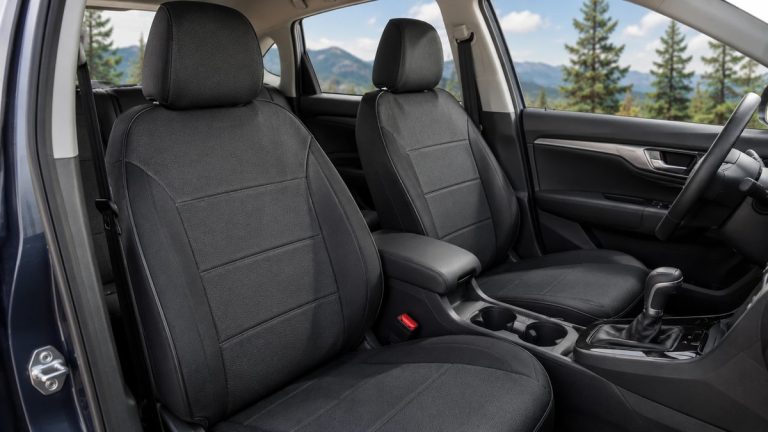
How Long Do Custom Seat Covers Usually Last?

Custom seat covers usually last 3 to 7 years. Premium leather, neoprene, canvas, and heavy-duty custom-fit covers may last 7 to 10 years or longer when they fit well, stay out of harsh sunlight, and receive regular cleaning.
Most custom seat covers last about 3 to 7 years, but material quality, fit, daily use, climate, pets, spills, and cleaning habits can move that number up or down.
I am Brandon Walker, and I have used seat covers in daily drivers, family vehicles, work trucks, and road-trip cars. In my experience, a well-fitted cover can handle years of use. A loose or poorly made cover may start looking tired within one or two seasons.
The good news is that you can control many of the factors that affect seat cover life. Choosing the right material, checking airbag compatibility, and cleaning the covers correctly can add years to their useful life.
What Is the Average Lifespan of Custom Seat Covers?
There is no single expiration date for a car seat cover. Its lifespan depends on the material, stitching, fit, vehicle use, and care routine.
A quality custom-fit fabric or leatherette set often lasts 3 to 7 years. Tough canvas and neoprene covers may last 5 to 8 years. Premium automotive leather can last 7 to 10 years or more when it is cleaned and conditioned correctly.
Cheap universal covers may only last 1 to 3 years. They often slide, bunch, stretch, and rub against the seat. That extra movement wears down seams and fabric faster.
| Seat Cover Material | Typical Lifespan | Best Use | Main Weakness |
|---|---|---|---|
| Polyester fabric | 2–5 years | Light daily use and budget upgrades | Can fade or pill |
| Leatherette | 3–7 years | Commuters and easy cleanup | May crack in extreme heat |
| Neoprene | 4–8 years | Beach trips, outdoor use, and active families | Can hold heat and moisture |
| Canvas | 5–10 years | Work trucks, pets, tools, and heavy use | Less soft than other materials |
| Premium leather | 7–10+ years | Luxury interiors and long-term ownership | Needs regular conditioning |
Why Some Custom Seat Covers Last Longer Than Others
Material Quality
Thick fabric, strong backing, reinforced seams, and UV-resistant coatings improve durability. Thin material may look good at first, but it can stretch or tear near high-contact areas.
The driver-side outer bolster usually wears first. Your body slides across that edge every time you enter or leave the vehicle.
Custom Fit Versus Universal Fit
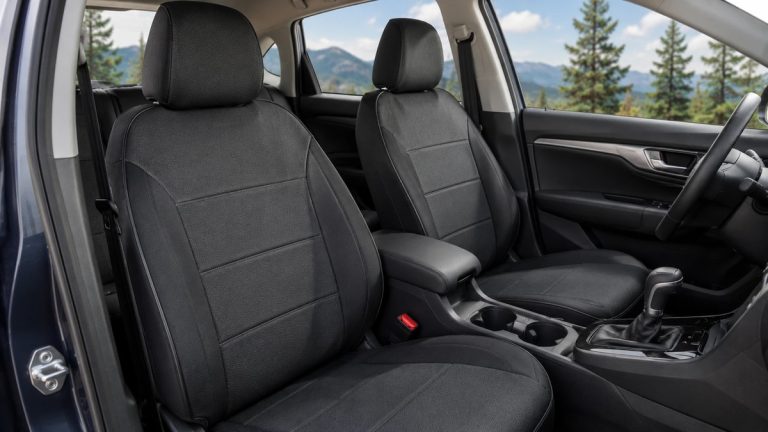
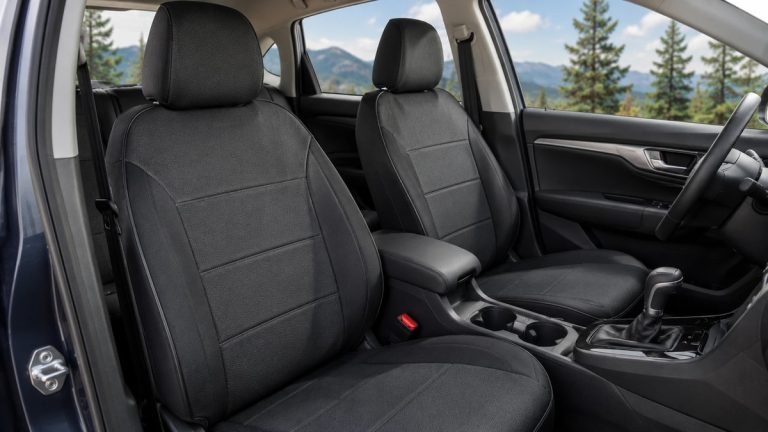
Custom seat covers follow the shape of your exact seats. They usually include openings for headrests, controls, armrests, seat belts, and airbag seams.
Universal covers cost less, but their loose fit may create wrinkles and friction. For more vehicle-specific ideas, browse our interior accessories guide.
Daily Driving Habits
A lightly used weekend car places less stress on its covers than a rideshare vehicle or work truck. Frequent entry, dirty work clothes, tools, pets, and child seats all increase wear.
Sunlight and Heat
UV rays can fade fabric and dry out leatherette. Cabin heat can also weaken foam backing, elastic straps, and adhesives.
A windshield shade and shaded parking can reduce this damage. You can find more interior protection ideas in our car care guide.
Cleaning Habits
Dirt acts like fine sandpaper. As you move in the seat, trapped grit rubs against the cover fibers.
Fast spill cleanup also matters. Coffee, soda, sunscreen, grease, and pet mess can stain or weaken some materials when left in place.
For most daily drivers, I prefer a vehicle-specific, airbag-compatible cover made from durable woven fabric or quality leatherette. It offers a useful balance of comfort, easy cleaning, appearance, and price.
How to Make Custom Seat Covers Last Longer
You do not need a full garage setup to care for seat covers. A few simple tools and a regular routine can prevent early wear.
Use a soft brush attachment on the seat base, backrest, seams, and side bolsters. Remove grit before wiping the material.
Follow the maker’s cleaning directions. Neoprene, canvas, leatherette, and real leather need different products.
Apply cleaner to a cloth instead of soaking the cover. Test it on a hidden area before cleaning a large section.
Allow the material to dry fully before sitting on it. Trapped moisture can create odors and may damage foam backing.
Check hooks, straps, buckles, and elastic sections. Correct any wrinkles or loose areas that can rub while you drive.
Look at the driver’s outer edge, seams, headrest openings, and seat-belt areas. Small repairs are easier before a tear grows.
Why Long-Lasting Seat Covers Matter
Seat covers protect more than appearance. Factory upholstery can be costly to repair, especially when a seat includes heating, ventilation, sensors, or side airbags.
Clean seats also make a car feel newer. That matters during daily use and when it is time to sell or trade the vehicle.
Seat covers are especially useful for parents, pet owners, outdoor workers, rideshare drivers, and anyone who spends long hours behind the wheel.
On long trips, I notice loose covers quickly. They slide forward, wrinkle under my legs, and create hot spots. A snug custom fit stays flatter and feels more like the original seat, even after several hours on the highway.
Custom Seat Cover Do’s and Don’ts
- Confirm the exact year, make, model, and trim.
- Choose covers designed for seat-mounted airbags.
- Vacuum dirt before using a wet cleaner.
- Clean spills as soon as possible.
- Retighten loose straps during monthly checks.
- Use the cleaner recommended for the material.
- Do not cover airbag deployment seams.
- Do not cut holes without checking the instructions.
- Do not use bleach or harsh household chemicals.
- Do not machine-wash covers unless the maker allows it.
- Do not leave wet covers installed for long periods.
- Do not ignore loose hooks near seat wiring.
Seat Cover Features That Affect Durability
Check your vehicle’s year, make, model, trim, seat shape, headrest style, armrests, seat controls, heating, ventilation, and side airbags. Two vehicles with the same model name can use different seats. Always compare the product fitment list with your owner’s manual.
- Confirm front, rear, or full-set coverage.
- Check whether the cover fits bucket seats or bench seats.
- Verify side-airbag compatibility.
- Check openings for seat belts, headrests, and controls.
- Choose a material that matches your climate and lifestyle.
- Review cleaning instructions before ordering.
- Look for reinforced seams and a clear warranty.
How Much Should Durable Custom Seat Covers Cost?
Higher price does not always guarantee a longer life, but very cheap materials usually show wear sooner. Fit, stitching, backing, and warranty matter as much as the surface material.
| Budget Tier | What to Expect | Likely Service Life | Best For |
|---|---|---|---|
| Under $100 | Thin universal fabric and basic straps | 1–3 years | Temporary protection |
| $150–$300 | Better fit, stronger seams, more vehicle options | 3–5 years | Normal commuting |
| $300–$600 | Heavy-duty material and detailed custom fit | 5–8 years | Families, pets, and frequent driving |
| $600 and up | Premium leather or high-end tailored construction | 7–10+ years | Luxury interiors and long-term ownership |
Installation Tips for Better Wear and Comfort
- Clean and dry the factory seat before installation.
- Lay every cover piece out and match it to the correct seat.
- Remove headrests only as directed by the vehicle manual.
- Feed straps through safe openings without pulling on wiring.
- Smooth wrinkles from the center toward the outer edges.
- Keep buckles, controls, vents, and seat tracks clear.
- Retighten the covers after a week of driving.
- Recheck the fit after carrying passengers or child seats.
Take a photo of the seat wiring and strap path before you tighten anything. It gives you a useful reference if a hook comes loose later.
Heated and ventilated seats may still work with compatible covers, but thick or non-breathable material can reduce performance. Check the seat cover maker’s guidance and your vehicle manual before installation.
Never install a cover that blocks a side airbag seam, seat-belt buckle, occupancy sensor, child-seat anchor, or seat control. Review the NHTSA air bag safety guidance and follow your vehicle owner’s manual. Stop using the cover if it shifts into a safety device.
Seat belts also need a clear path with no fabric wrapped around the buckle or lower anchor. The NHTSA seat belt guidance explains why correct belt use and access matter.
For wider maintenance planning, AAA automotive repair and maintenance resources can help owners stay on top of basic vehicle care.
The driver’s outer seat bolster usually wears faster than the middle of the seat because it takes repeated pressure every time the driver gets in and out.
Signs Your Custom Seat Covers Need Replacement
A worn cover does not always need immediate replacement. A loose strap or small seam opening may be repairable. Still, some damage means the cover has reached the end of its useful life.
- Large tears expose the factory upholstery.
- The material has become thin or see-through.
- Cracked surfaces feel sharp or uncomfortable.
- Straps no longer hold the cover securely.
- The cover slides into the seat-belt buckle or controls.
- Airbag-compatible seams have been damaged or altered.
- Odors remain after proper cleaning and drying.
- The backing sheds foam or sticky material.
| Problem | Likely Cause | Best Next Step |
|---|---|---|
| Cover keeps sliding | Loose straps or poor fit | Retighten it or replace it with a custom-fit cover |
| Color is fading | Strong UV exposure | Use a sunshade and UV-safe care product |
| Leatherette is cracking | Heat, age, or harsh cleaner | Replace badly cracked panels and use approved cleaner |
| Fabric is pilling | Friction and trapped dirt | Vacuum more often and check the fit |
| Musty smell | Trapped moisture | Remove, clean, and dry the cover fully |
| Seam is opening | Repeated pressure or weak stitching | Repair early or replace if near an airbag seam |
Are Expensive Custom Seat Covers Worth It?
They can be worth it when you plan to keep the car for several years. Premium covers often use stronger stitching, thicker panels, better fastening systems, and more accurate patterns.
That does not mean every driver needs the most costly set. A commuter with clean clothes and no pets may do well with a midrange cover. A contractor, dog owner, or outdoor family may save money over time by buying a tougher material.
- Stay in place more securely
- Usually provide better seam quality
- Can match controls and seat shapes closely
- Often include clearer compatibility details
- May offer longer warranty coverage
- May wrinkle or slide during use
- Can wear faster at pressure points
- May not fit headrests or controls well
- Compatibility may be less certain
- Often use lighter straps and fabric
For other practical vehicle upgrades, visit Autostin and compare gear based on real driving needs rather than looks alone.
- Most quality custom seat covers last 3 to 7 years.
- Canvas, neoprene, and premium leather can last longer with proper care.
- A snug vehicle-specific fit helps reduce rubbing and seam wear.
- Sun, heat, pets, dirt, and heavy daily use shorten cover life.
- Airbag, seat-belt, sensor, and control compatibility must come first.
Custom seat covers usually last 3 to 7 years, while premium options may last 7 to 10 years or more. I recommend buying a vehicle-specific, airbag-compatible set with reinforced seams. Install it carefully, clean it with the right products, and inspect the fit each month.
Frequently Asked Questions
Most quality custom seat covers last 3 to 7 years. Premium leather, canvas, and neoprene covers may last 7 to 10 years or longer with good care.
Heavy-duty canvas and premium automotive leather are among the longest-lasting options. Their actual lifespan still depends on fit, use, climate, and maintenance.
Custom-fit covers often last longer because they move and wrinkle less. Reduced movement means less rubbing against the seat and cover seams.
Vacuum them about once a month and clean spills right away. Use a deeper cleaning schedule based on the material maker’s instructions.
Many can, but thick material may reduce heat transfer. Confirm that the cover is approved for heated seats and follow the vehicle manual.
Only use covers clearly designed for seats with side airbags. A non-compatible cover may block or delay airbag deployment.
Replace them when they have large tears, broken straps, severe cracking, damaged airbag seams, lasting odors, or movement that blocks safety equipment.
Conclusion
So, how long do custom seat covers usually last? For most drivers, 3 to 7 years is a fair target. A premium set may stay useful for 7 to 10 years or more.
I would choose the best custom fit that matches your budget and daily routine. A work truck needs a different cover than a weekend coupe. A family vehicle may need stain resistance, while a hot-climate commuter may need breathable, UV-resistant material.
Before ordering, confirm the full fitment details and side-airbag design. Then install the covers tightly without blocking seat belts, controls, sensors, or anchors. A little care now can protect your factory upholstery for many miles.
Author
Similar Posts
Best Custom Fit Seat Covers for Cars and Sedans
Car seat covers protect upholstery from spills, stains, pet hair, and daily wear. Custom-fit covers offer a closer fit than…
Neoprene vs Leather Seat Covers: Which Lasts Longer?
View on Amazon ⚡ Quick Verdict Leather lasts longer when you maintain it regularly; neoprene lasts longer when you don’t….
Best Custom Fit Leather Seat Covers for Cars and Trucks
Leather seat covers protect vehicle upholstery from spills, stains, wear, and daily use while adding a more finished look to…
Best Custom Fit Seat Covers by Vehicle Type
Seat covers protect your vehicle’s upholstery from spills, stains, wear, and daily use. They can also refresh an older interior…
Custom Fit vs Universal Seat Covers: Which Is Right for Your Vehicle
Seat covers protect vehicle upholstery from spills, stains, fading, pet hair, and daily wear. They can also change the look…