Are Waterproof Seat Covers Breathable? A Buyer’s Guide

are waterproof seat covers breathable is easiest to judge by fit, material, installation or application needs, care requirements, compatibility, and value for your vehicle.
Are waterproof seat covers breathable? The short answer is yes, but only up to a point—breathability depends on the material, construction, and how the waterproof layer is applied.
If you’re shopping for protection against spills, mud, or pet accidents, you don’t want to trade a dry seat for a sweaty back. The good news is that some waterproof covers manage moisture better than others. The key is understanding the difference between a waterproof coating and a breathable membrane.
- Confirm fit: Check vehicle, trim, dimensions, surfaces, and safety-system compatibility.
- Check materials: Match construction or chemicals to the intended seat, floor, trim, paint, glass, or device.
- Plan setup: Follow manufacturer instructions and keep airbags, controls, sensors, vents, pedals, and moving parts clear.
- Plan upkeep: Compare cleaning, maintenance, durability, warranty, and replacement needs.
Are Waterproof Seat Covers Breathable? The Short Answer
Waterproof seat covers can be breathable, but not all of them are. A cover with a laminated membrane or a carefully engineered fabric can block liquid water while letting water vapor escape. A cover with a thick PVC or PU coating will usually trap heat and sweat.
What “Breathable” Actually Means for Seat Covers
Breathability in seat covers refers to moisture-vapor transmission: the ability of sweat and heat to move away from your body and through the fabric. It is not the same as air permeability, although the two are related. A breathable cover helps regulate temperature and reduces the “plastic bag” feeling.
Why Waterproofing and Breathability Are a Trade-off
Waterproofing works by creating a barrier. The more effective that barrier is at stopping liquid water, the harder it is for water vapor to escape. That trade-off is central to every waterproof fabric, from rain jackets to seat covers. The goal is to find a design that balances protection with comfort for your climate and usage.
How Waterproofing Works: Coatings, Membranes, and the Trade-off

Manufacturers use two main approaches to make seat covers waterproof: coatings and membranes. Each has different implications for breathability.
Coated Fabrics: PVC, PU, and TPU
Coated fabrics have a layer of PVC, polyurethane, or TPU applied to the surface. These coatings are inexpensive and effective at blocking water, but they are also the least breathable. A solid coating leaves little room for air or moisture vapor to pass through. TPU can be slightly more breathable than PVC or PU, but it still relies on pinhole-free coverage.
Membrane Laminates: The Gore-Tex-Style Solution
Membrane laminates use a thin film bonded to a fabric. This film has microscopic pores that are large enough for water vapor molecules to escape but small enough to block liquid water. These covers are more breathable than coated fabrics and are the best choice if you want true waterproofing without the sauna effect. The trade-off is usually higher cost and more careful maintenance.
Where Each Waterproofing Method Falls on the Breathability Scale
If you line up common waterproofing methods from least to most breathable, it looks like this: PVC coating, PU coating, TPU coating, then membrane laminates. That doesn’t mean every membrane cover is automatically comfortable—the base fabric, backing, and fit also matter. But the membrane approach gives you the best chance of staying dry on both sides.
Material Matters: Which Fabrics Breathe Best While Staying Dry
The outer fabric determines how a cover feels against your skin and how quickly it dries. Some materials are naturally more breathable than others.
Neoprene: The Wetsuit Trade-off
Neoprene is the classic wetsuit material. It is thick, stretchy, and highly water-resistant, but it is not very breathable. In a cold-weather vehicle, that can be fine. In a hot climate, neoprene can trap heat and make you sweat. Some neoprene covers add a mesh backing to improve airflow, but they still run warmer than woven fabrics.
Leather and Synthetic Leather: Premium Looks, Low Breathability
Leather and leatherette look great and wipe clean easily, but they are not breathable. Perforated leather is sometimes used to add airflow, but the perforations can let water through unless they are backed by a waterproof layer. If you want a leather look with more comfort, look for a cover with a breathable backing or a perforated insert that doesn’t compromise the waterproof layer.
Construction and Layering: Where Breathability Goes to Die
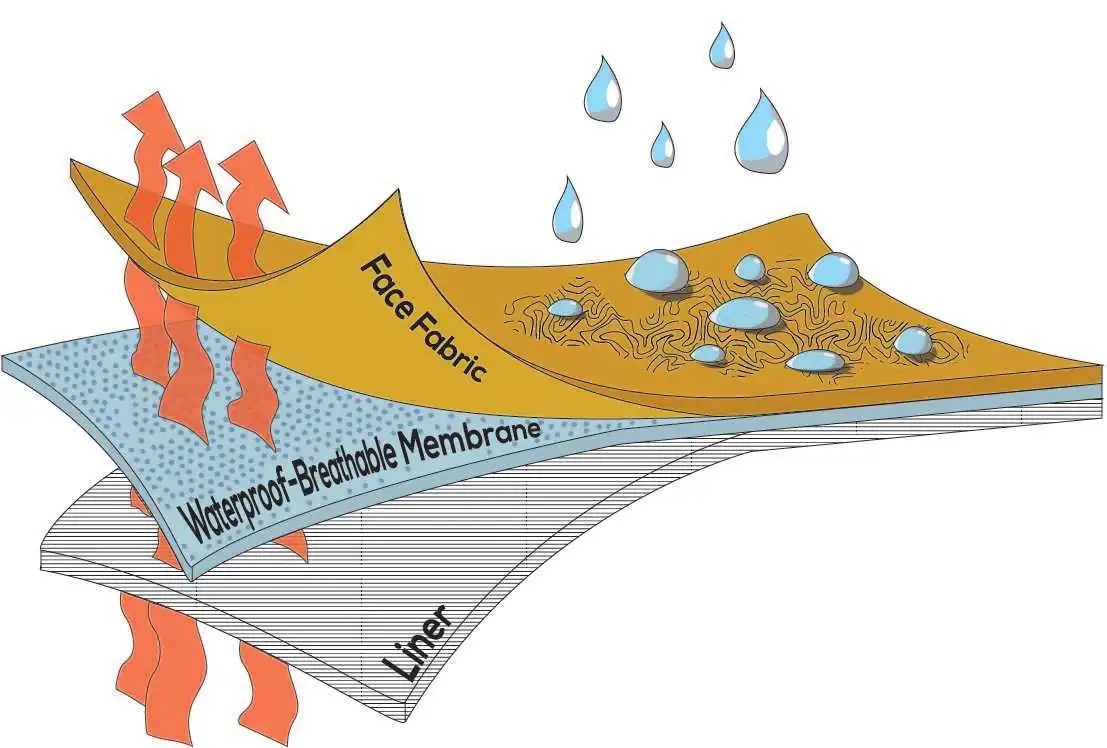
Even a breathable membrane can be ruined by poor construction. Thick foam backing, non-breathable stitching, and solid elastic edges all trap heat and moisture. Some covers use a two-layer design with a waterproof middle layer and a moisture-wicking top layer. That can help, but only if the entire seat-facing side allows vapor to escape.
If you live in a hot, humid climate, look for covers with a spacer-knit backing or a mesh lining. That open structure creates a small air gap between the cover and the factory upholstery, which helps reduce the sauna effect.
Also pay attention to seams. Taped or welded seams are more waterproof but can be less flexible and less breathable than sewn seams. If a cover uses a waterproof membrane, the seams should be sealed to prevent water from sneaking through the needle holes.
Fitment and Compatibility: Airbags, Heated Seats, and Sensors
Before you buy, verify that the cover fits your vehicle’s make, model, year, and trim. A loose cover can shift, bunch up, and trap heat. A cover that is too tight can stress the seams and reduce the air gap between the cover and the seat.
Verify your vehicle’s make, model, year, trim, and seat configuration before buying. Check for side airbags, seat belt pretensioners, heated/ventilated seats, and occupancy sensors. A cover that blocks airbag deployment or sensor signals is unsafe regardless of how breathable it is.
Seat Weight Sensors and Occupant Detection Systems
Many modern vehicles use seat weight sensors to decide whether the passenger airbag should be on. A thick, non-breathable cover can interfere with those sensors or trap heat against the seat cushion. If your vehicle has an occupant detection system, look for covers that are specifically designed to be airbag compatible or that use a thin, flexible material. When in doubt, contact the manufacturer or your dealer. Our guide to airbag compatible seat covers can help you narrow down the options.
Installation, Slipping, and Retention: What to Expect
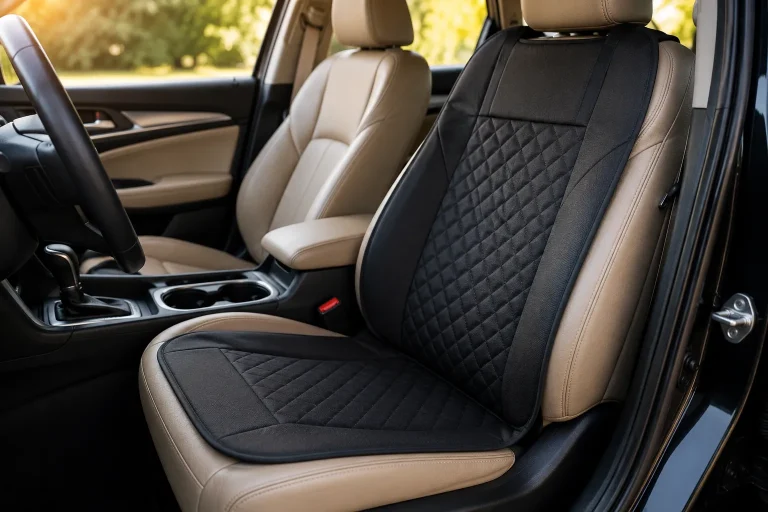
Even a breathable cover won’t feel comfortable if it slides around. Most waterproof covers use a combination of elastic edges, hook-and-loop straps, and seat-belt guides to stay in place. Installation is usually straightforward, but it helps to remove the headrests and work the cover down over the seat back.
- Follow manufacturer instructions
- Test fit or a hidden area when appropriate
- Keep airbags, belts, controls, vents, sensors, wiring, and moving parts unobstructed
How to Prevent Slipping and Sagging Over Time
Re-tighten straps after the first few days, as covers can stretch slightly. If your cover has anti-slip backing, make sure it is facing the seat. Avoid pulling the cover too tight over a heated seat element, as that can create pressure points and reduce airflow. If your cover uses a separate bottom and back, check that the seams sit in the natural crease of the seat.
Cleaning and Care: Keeping Covers Fresh Without Ruining Them
Waterproof covers are easier to clean than bare upholstery, but they aren’t indestructible. Most can be wiped down with a damp cloth and mild soap. For deeper cleaning, check the care label. Some covers are machine-washable, but the waterproof backing can break down over time if washed too often or dried on high heat.
Washing Instructions and Waterproofing Restoration
Use a gentle cycle with cold water and a mild detergent. Avoid fabric softeners and bleach, which can damage the waterproof layer. After washing, let the cover air dry completely before reinstalling. If the manufacturer recommends a durable water repellent (DWR) spray, reapply it periodically to keep the water beading up instead of soaking in.
- Verify fitment/material compatibility
- Check the care label before washing
- Reapply durable water repellent if the manufacturer recommends it
- Don’t use fabric softener on waterproof membranes
- Don’t machine-dry covers unless the label says it’s safe
- Don’t ignore airbag cutouts or sensor warnings
Durability, Ownership Cost, and Value: Are They Worth It?
Breathable waterproof covers tend to cost more than basic coated covers. The extra money buys a more comfortable material, better construction, and often a longer lifespan. A cheap PVC cover might last a year or two before cracking, while a membrane-based cover can last several years if cared for properly.
Think about how you use your vehicle. If you have kids, pets, or an outdoor lifestyle, the protection is worth the cost. If you mainly drive alone on paved roads, a water-resistant cover might be enough. The most expensive cover is not always the best value—look for one that matches your climate and usage.
For a deeper look at protection options, check out our guide to the best waterproof seat covers and decide whether a custom fit vs universal seat cover makes more sense for your vehicle. If you want maximum coverage, consider a custom-fit option; our guide to the best custom fit seat covers can help.
- Confirm fit or surface compatibility
- Check material, dimensions, coverage, and package contents
- Verify safety-system and seat-heater compatibility
- Look for breathability ratings or moisture-vapor transmission numbers
- Review cleaning instructions before installation
Comparison: Breathable Waterproof Covers vs. Alternatives
Understanding the difference between waterproof and water-resistant covers is the first step. It can also help to know how waterproof covers compare with standard fabric covers.
Waterproof vs. Water-Resistant Covers
Water-resistant covers repel light moisture but are not designed to handle standing water. They are usually more breathable because they don’t have a full waterproof barrier. Waterproof covers use a coating or membrane that blocks liquid water completely, but they may trap more heat. Choose water-resistant if you only need light protection and breathability is your top priority.
Waterproof Covers vs. Non-Waterproof Covers
Non-waterproof covers, such as plain canvas or mesh, are very breathable but offer little protection against spills. They are fine for preventing dust and minor wear, but they won’t save your seat from a spilled coffee cup. A breathable waterproof cover is the best compromise if you need both protection and comfort.
Frequently Asked Questions
Can waterproof seat covers cause sweating?
Some can, especially those with a solid PVC or PU coating. Covers with a breathable membrane or moisture-wicking backing are less likely to trap heat and sweat.
What is the most breathable waterproof seat cover material?
Membrane-laminated fabrics are generally the most breathable. Neoprene can be comfortable but runs warmer, while leather and synthetic leather are the least breathable unless perforated.
Are waterproof seat covers safe for heated seats?
Many are, but you need to verify compatibility. Check the manufacturer’s instructions and make sure the cover doesn’t block the heat or interfere with the seat heater element.
How do I know if a seat cover is truly breathable?
Look for a moisture-vapor transmission rate (MVTR) in grams per square meter per 24 hours. Higher numbers mean better breathability. If the spec sheet doesn’t list one, the cover may not be designed for high breathability.
Can I machine wash waterproof seat covers?
Some can be machine washed on a gentle cycle with cold water. Always check the care label. Avoid fabric softeners and high heat, which can damage the waterproof layer.
Do breathable waterproof seat covers work with side airbags?
Only if they are designed with a designated airbag tear-away seam or cutout. Always choose covers that are explicitly labeled as airbag compatible and verify fitment for your vehicle.