Floor Mats vs Floor Liners: Which Fit Your Car Best?

Floor liners offer full-coverage protection with raised edges that contain snow, mud, and spills, while floor mats provide a simpler and more affordable way to protect the main footwell. Choose liners for harsh weather and heavy use; choose mats for dry climates and budget-conscious buyers.
The floor mats vs floor liners decision is one of the most common interior-protection questions drivers face, and the right answer depends less on which product is “better” and more on your climate, your vehicle, and how you use it. Both options shield your carpet from dirt, spills, and wear, but they go about it in very different ways. This guide compares fit, coverage, materials, safety, cleaning, and cost so you can choose with confidence.
- Coverage: Liners extend up the sills and under seats; mats cover only the footwell.
- Fit: Vehicle-specific liners are molded to your car; universal mats may need trimming.
- Safety: Verify pedal clearance and use factory retention hooks on the driver side.
- Cleaning: Liners rinse and air-dry quickly; carpet mats need vacuuming and shampooing.
- Value: Mats cost less upfront; liners protect carpet better and can help resale value.
The Short Answer: Floor Liners Win on Coverage, Floor Mats Win on Value
If your priority is maximum carpet protection and you’re willing to spend more, a vehicle-specific floor liner is the stronger choice. If you want a simple, affordable way to keep the main footwell presentable, a quality set of floor mats will handle the job.
Why the Choice Comes Down to Your Climate and Interior
Climate is the biggest factor. Drivers in snowy states deal with salt brine, slush, and melting snow that pool on the floor, while drivers in dry regions mostly track in dust and the occasional splash. Your interior matters too: light carpet shows stains faster, and dark carpet makes salt residue more visible.
When a Floor Mat Is the Smarter Pick
Floor mats make sense when your car stays relatively clean, when you lease and want to return the vehicle with the original carpet intact, or when you’re shopping on a budget. A good set of rubber or all-weather mats covers the high-traffic areas under your feet and costs noticeably less than a full liner set.
When a Floor Liner Is Worth the Extra Cost
Floor liners earn their price in vehicles that see mud, snow, pets, kids, or worksite debris. The raised outer walls trap liquids and grit before they reach the carpet, which protects the interior’s resale value and keeps the cabin free of lingering odors.
Floor Mats vs Floor Liners: What’s Actually Different?

Defining Floor Mats: Carpet, Rubber, and All-Weather Styles
Floor mats are flat or lightly contoured pieces that sit on top of the factory carpet. Carpet mats match the stock look, rubber mats offer heavy-duty grip, and all-weather mats use a textured surface to channel water and dirt. Most mats cover the main footwell but leave the sides, dead pedal, and under-seat zones exposed.
Defining Floor Liners: Raised Edges and Vehicle-Specific Molds
Floor liners are molded trays with raised outer walls that extend up along the door sills, under the seats, and around the footwell. Premium liners are formed from 3D scans of a specific vehicle’s floorpan, which is why they hug contours that universal mats simply can’t reach.
Side-by-Side Comparison: Coverage, Height, and Retention
| Feature | Floor Mats | Floor Liners |
|---|---|---|
| Coverage | Main footwell only | Footwell, sills, and under-seat areas |
| Raised edges | Low or none | Raised perimeter walls |
| Fit type | Universal or semi-custom | Vehicle-specific molding |
| Liquid containment | Limited | High |
| Upfront cost | Lower | Higher |
| Cleaning effort | Vacuum or rinse | Rinse and air-dry |
Fit and Coverage: Why Liners Hug the Corners and Mats Leave Gaps
Exact Fit vs Universal Fit: What “Vehicle-Specific” Really Means
Vehicle-specific liners are built from digital scans of the floorpan, so they account for seat rails, console contours, and footwell shape. Universal mats are cut to fit a range of vehicles and often require trimming. A mat that shifts or leaves gaps creates channels for dirt and moisture to reach the carpet below.
Before buying, verify the exact make, model, year, and trim of your vehicle. Check whether the product accounts for seat configuration, center console shape, under-seat vents, and factory retention hooks. A liner that fits one trim may not fit another with power seats or a different console layout.
Coverage Gaps: The Dead Zones Under Seats and Along Door Sills
Mats leave the carpet exposed along the door sills, under the front seats, and around the dead pedal. These dead zones collect kicked-up dirt, spilled drinks, and salt that gets tracked in sideways. Liners extend up the sills and reach under the seats, so the carpet stays clean even when debris slides off the liner surface.
Which Vehicles Benefit Most from Full-Coverage Liners
SUVs, trucks, and family crossovers benefit most because they carry more passengers, pets, gear, and outdoor dirt. Vehicles with light-colored carpet, high door sills, or deep footwells also gain more from liner coverage. If you drive a commuter sedan and park in a garage, a good set of mats may be all you need.
Material and Construction: TPE, Rubber, Carpet, and Everything Between

Thermoplastic (TPE) Liners: Flexible, Odor-Resistant, and Recyclable
TPE, or thermoplastic elastomer, is a common material in modern liners. It stays flexible in cold weather, resists odors better than some rubber compounds, and is often marketed as recyclable. TPE liners are lightweight and hold their shape well, which makes them a popular choice for daily drivers.
Rubber Mats and Liners: Heavy-Duty Grip but Watch the Smell
Rubber offers excellent grip and durability, especially in heavy-duty and truck-focused products. The trade-off is that some rubber formulations have a strong odor when new, and the smell can linger in a closed cabin. If you’re sensitive to scents, look for products that advertise low-odor or odor-free compounds.
Carpet Mats: Comfort and Style at the Cost of Protection
Carpet mats provide the softest, most factory-like feel underfoot and come in colors that match your interior. They absorb moisture rather than contain it, so a spilled drink or a snowy boot can soak through to the carpet below. Carpet mats are best for show cars, low-mileage vehicles, and drivers who rarely deal with wet weather.
Retention and Pedal Clearance: The Safety Check Most Buyers Skip
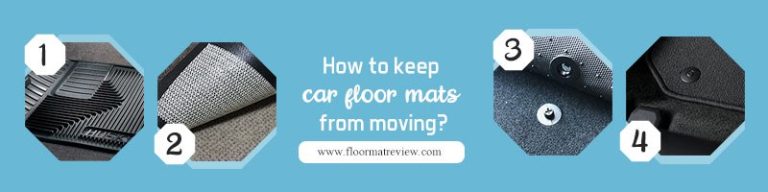
Anti-Slip Backing, Clips, and Hook Retention Systems
Retention is what keeps a mat or liner from sliding under the pedals. Look for anti-slip backing, factory-style clips, or hook systems that lock into the vehicle’s floor. A mat that moves even slightly can bunch up and create a hazard, so check the retention mechanism before you commit to a purchase.
Pedal Clearance: Why Thick Liners Can Be a Hazard in Manual Transmissions
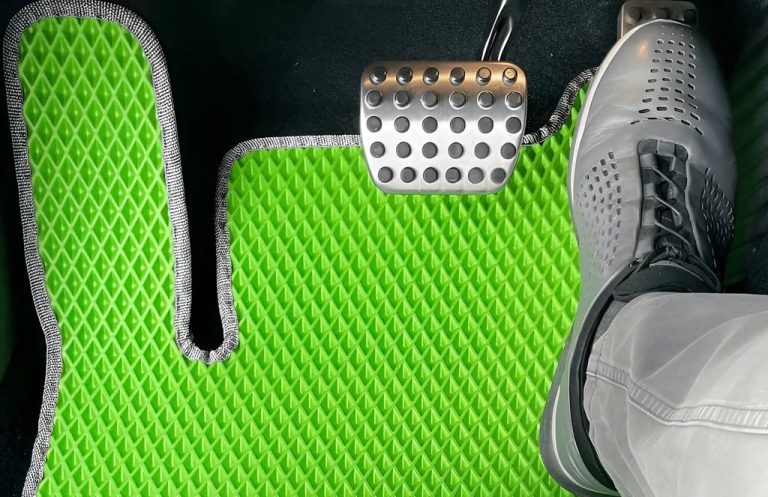
Thick liners can reduce the space between the floor and the pedals, which is especially risky in manual-transmission cars where the clutch needs full travel. Even in automatics, a liner that sits too high can interfere with the brake pedal. Test the pedal travel after installation and adjust or replace anything that feels off.
Keep the driver-side floor area free of obstructions. Confirm that the mat or liner does not interfere with the accelerator, brake, or clutch pedals, and use factory retention hooks when they are present. If a mat shifts or curls near the pedals, replace it immediately.
Driver-Side Anchoring: What the NHTSA Guidelines Say
The National Highway Traffic Safety Administration has issued guidance on driver-side floor mats because unsecured mats can interfere with pedals. NHTSA recommends using the vehicle’s retention devices, confirming the mat fits properly, and never stacking a second mat on top of the factory mat. Following these guidelines is a simple way to avoid a preventable safety issue.
Water and Debris Containment: What Happens When the Weather Turns
How Raised Outer Walls Contain Snow, Mud, and Salt Brine
The defining advantage of a liner is its raised perimeter. When snow melts off your boots or mud drips from a worksite, the liquid stays inside the liner instead of seeping into the carpet. Salt brine, which is corrosive and leaves white residue, is also contained and can be rinsed away quickly.
Why Carpet Mats Absorb Moisture and Trap Odors
Carpet mats act like sponges. Once moisture soaks in, it creates a breeding ground for mildew and odors, especially in humid climates or when the car sits closed for days. Even all-weather mats with low walls can let runoff spill over the edges and reach the carpet below.
Decking Out the Cargo Area: Liners for Trunks and SUVs
The same logic applies to the rear of the vehicle. Cargo liners protect the trunk or SUV cargo area from wet gear, pet hair, and grocery spills. If you already need front liners for weather protection, a matching cargo liner is a natural addition for hauling dirty or wet items.
Installation and Daily Use: From Five-Minute Drop-In to Custom Fitting
How Quick and Easy Each Option Is to Install and Remove
Most mats and liners install in minutes. Universal mats may require trimming to fit, while vehicle-specific liners drop in and lock into place with factory hooks. Liners are heavier and stiffer, which makes them slightly more awkward to remove for cleaning, but they also stay put better during daily driving.
Comfort and Appearance: How Each Option Feels Underfoot and Looks in the Cabin
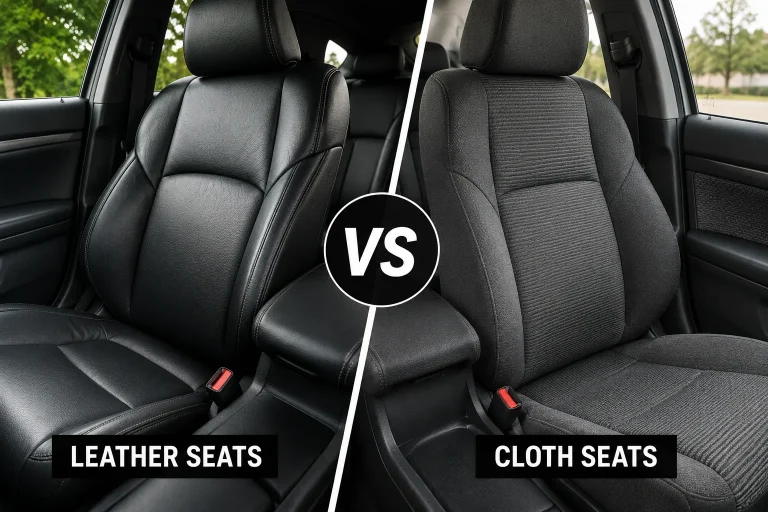
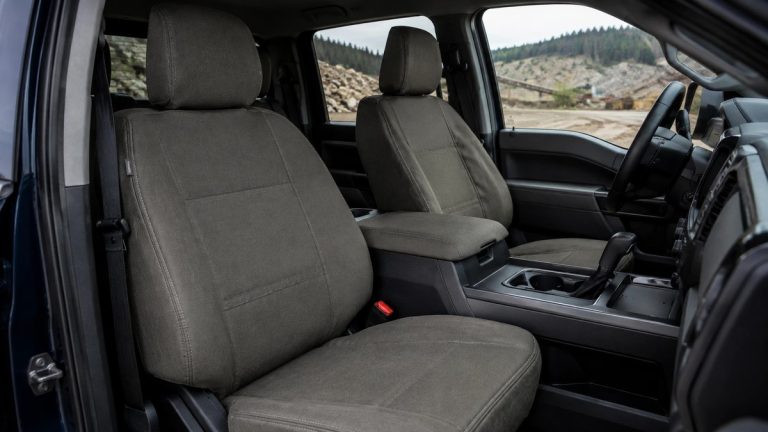
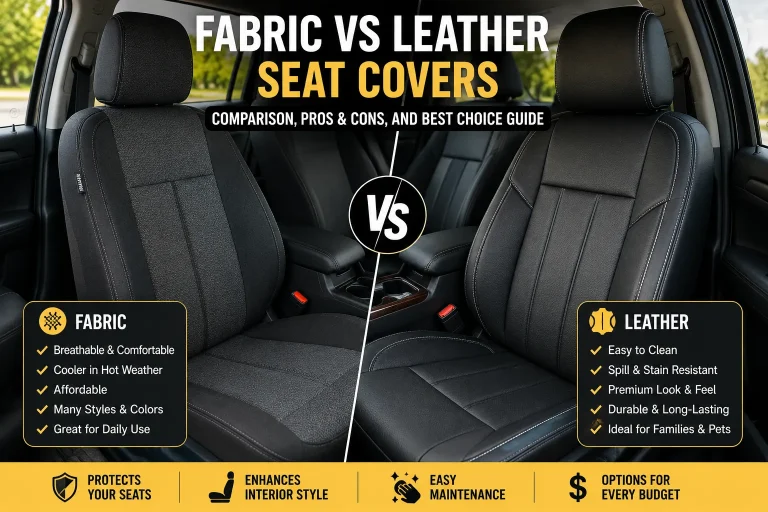
Carpet mats feel soft and look like the factory finish, while rubber and TPE options feel firmer and more utilitarian. Liners have a more industrial look that some drivers love and others find too bulky. If interior style matters as much as protection, consider a hybrid all-weather mat that balances both. The same logic applies to your seats: just as you weigh fabric vs leather seat covers for comfort and upkeep, your floor protection should match how much wear your interior actually sees.
Compatibility with Heated Seats, Center Consoles, and Under-Seat Storage
Most floor liners are designed to work with heated and power seats because they mold around the seat rails and wiring. However, a liner that extends under the seat can block access to under-seat storage or rear floor vents. Check the product fit notes for your trim level, especially if your console extends low or you have second-row floor vents that need airflow.
Cleaning and Care: Hosing Off vs Vacuuming and Shampooing
Cleaning Liners: Rinse, Spray, and Air-Dry in Minutes
Liners are the easiest floor protection to clean. Pull them out, hose off the loose dirt, spray with an all-purpose cleaner, and rinse. Most liners air-dry in a few hours, and the raised walls mean you can use plenty of water without worrying about the carpet underneath.
After rinsing a liner, tilt it to drain the corners and wipe the surface with a microfiber towel before air-drying. This prevents water spots and speeds up the process, especially in cooler months when drying takes longer.
Cleaning Carpet Mats: Vacuuming, Spot Treatment, and Deep Shampooing
Carpet mats need more attention. Vacuum regularly, spot-treat stains with a carpet cleaner, and deep-shampoo them when they start to look dingy. Wet carpet mats take much longer to dry, and if you put them back while damp, you risk mildew and odor.
Odor Control: Preventing Mildew and Lingering Pet Smells
Odor control comes down to moisture management. Liners dry fast and don’t absorb spills, so they resist mildew. Carpet mats and rubber mats with deep grooves can trap pet hair, mud, and moisture, so they need more frequent cleaning. Baking soda or a fabric deodorizer can help, but the real fix is keeping the surface dry.
Durability and Ownership Cost: How Long They Last and What They Cost
Initial Price: Budget Mats vs Premium Liners
Floor mats are the budget-friendly option, with basic carpet and rubber sets costing less than a full liner set. Premium vehicle-specific liners cost more upfront, but they typically last longer and protect the carpet underneath, which can help preserve resale value. The right choice depends on whether you’re protecting a car you’ll keep for years or a lease you’ll return soon.
Replacement Cycle: When Worn Mats Become a Safety Liability
Mats wear out faster than liners because they see more flex and abrasion. A mat with a worn backing, curled edges, or a cracked surface can slide around and interfere with the pedals. Replace any mat that no longer lies flat or no longer stays anchored, regardless of how old it is.
Warranty and Support: What Top Brands Like WeatherTech, Husky, and OEDRO Cover
WeatherTech, Husky Liners, and OEDRO are three of the most recognized names in the floor protection market. Each offers a limited warranty against manufacturing defects, but the specific terms vary by brand and product line. Before buying, check the warranty period, what it covers, and the return policy in case the fit isn’t right for your specific trim.
- Confirm the exact make, model, year, and trim fitment
- Check whether the product uses factory retention hooks
- Verify pedal clearance, especially for manual transmissions
- Review cleaning instructions and warranty terms
- Consider your climate, pets, passengers, and how the car is used
Which Should You Buy? Match the Option to Your Vehicle and Routine
Best Choice for Daily Commuters and Family Haulers
Daily commuters who park in garages and drive on clean roads can get by with quality all-weather mats. Family haulers carrying kids, drinks, and sports gear will get more value from liners, especially in the rear footwells where spills are common. If you’re also protecting your seats, the same reasoning behind custom fit vs universal seat covers applies: precise coverage costs more but protects better.
Best Choice for Off-Roaders, Outdoor Workers, and Pet Owners
This group should choose liners without hesitation. Mud, snow, water, and pet accidents will all find their way to the carpet if the floor protection has low walls. A full-coverage liner set with raised edges is the only option that reliably contains the mess and rinses clean afterward.
Best Choice for Show Cars, Leased Vehicles, and Budget Shoppers
Show cars and garage queens are better served by carpet mats that match the factory interior. Leased vehicles can use budget mats to keep the original carpet clean for the return inspection. Budget shoppers who want reasonable protection without the premium price should look for a solid set of all-weather mats rather than the cheapest carpet option. Just as the leather seats vs cloth seats decision affects comfort and upkeep, your floor protection should align with your interior priorities.
The Bottom Line: A Transparent Verdict for the 2026 Buyer
For most drivers, the decision comes down to climate and lifestyle. If you deal with snow, mud, pets, or kids, floor liners are the better investment because they contain messes and protect the carpet that determines your car’s resale value. If you drive in dry conditions and want a simple, affordable upgrade, a quality set of floor mats will serve you well.
Choose floor liners for maximum coverage, weather protection, and easy cleaning. Choose floor mats for lower cost, a factory look, and sufficient protection in dry, low-dirt driving conditions. Verify fitment and retention before you buy, and keep the driver-side floor free of anything that could interfere with the pedals.