How to Wash a Ceramic Coated Car Without Swirl Marks
Wash a ceramic-coated car with pH-neutral soap, two buckets, and clean microfiber mitts, then dry immediately with a plush towel. Avoid automatic brush washes and dish soap to keep the coating glossy and swirl-free.
Learning how to wash a car with ceramic coating is mostly about unlearning a few habits from traditional washing, because the coating changes how water, dirt, and soap behave on your paint. A ceramic-coated car still needs regular washing, but the process is simpler and safer when you use the right products and techniques.
- Use pH-neutral soap: Dish soap and degreasers can strip SiO2 toppers and weaken the coating over time.
- Two-bucket method: One bucket for soap, one for rinsing your mitt, prevents dirt from being dragged.
- Wash top-down: Upper panels are cleaner; use a separate mitt for lower panels where grit accumulates.
- Dry immediately: Air drying leaves mineral deposits and water spots on the hydrophobic surface.
- Add a SiO2 topper: A spray sealant every few washes restores slickness and extends coating life.
Direct Answer: What to Know About How to Wash a Car With Ceramic Coating
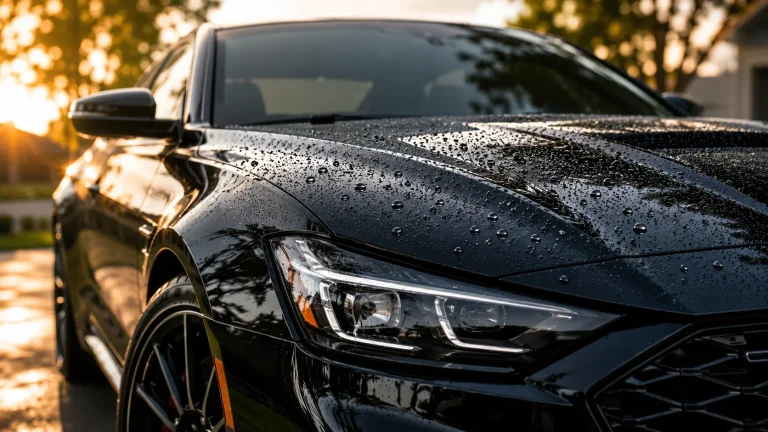
Ceramic coating is not a force field. It adds a hard, hydrophobic layer that makes paint slicker and easier to clean, but dirt, bird droppings, road film, and water spots can still bond to the surface. The goal of washing a coated car is to remove contaminants without scratching the coating or the clear coat beneath it.
The safest method is a two-bucket wash with a pH-neutral car soap, a high-quality microfiber wash mitt, and a dedicated drying towel. Rinse first, wash from the top down, rinse again, and dry before water spots have a chance to form. Skip automatic tunnel washes, dish soap, and abrasive pads unless you are willing to accept swirl marks and degraded coating performance.
Fit, Compatibility, and Who It Suits
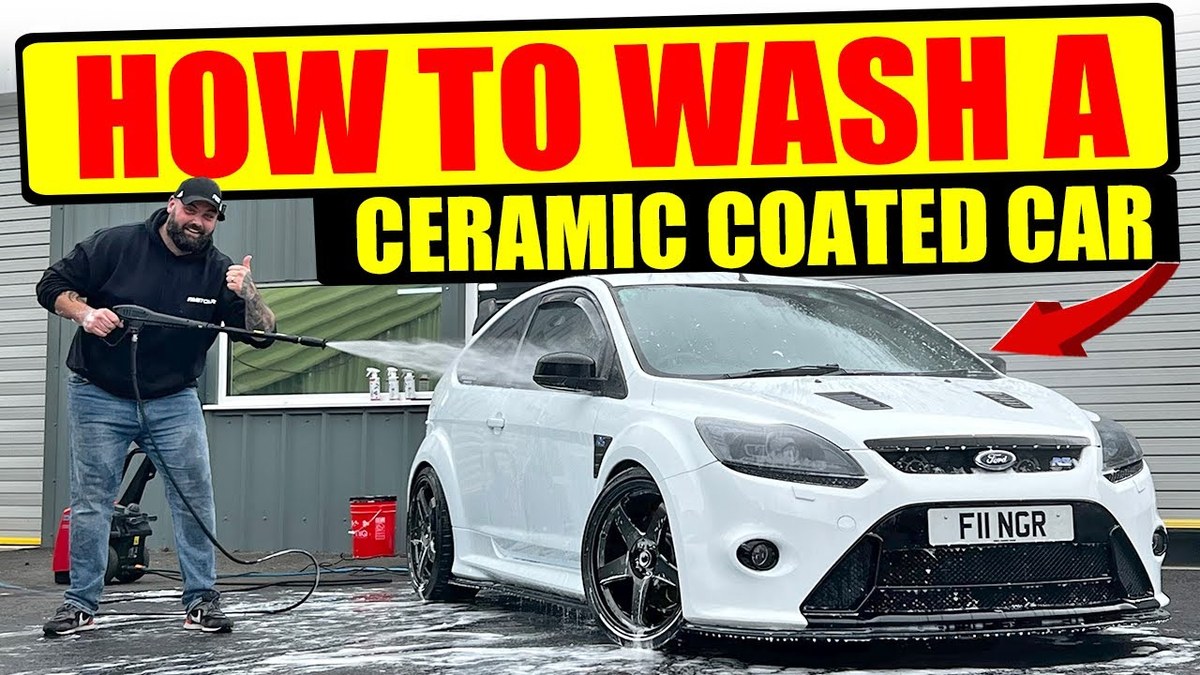
This wash routine suits any car with a professionally installed or DIY ceramic coating, regardless of make, model, or paint color. It also works on coated wheels, glass, and plastic trim, though each surface benefits from slightly different tools. The techniques here apply to both new coatings and coatings that have been on the car for years.
If your car does not have a ceramic coating, the same two-bucket method works, but you may need a different soap and more aggressive decontamination. For uncoated paint, check our guide on how to wash a car without ceramic coating to see where the routines diverge.
Drivers who use automated car washes, live in apartments without a hose, or simply want a faster weekly routine may prefer a rinseless wash instead of a traditional hose wash. Both approaches are covered below.
Materials, Construction, and Key Features
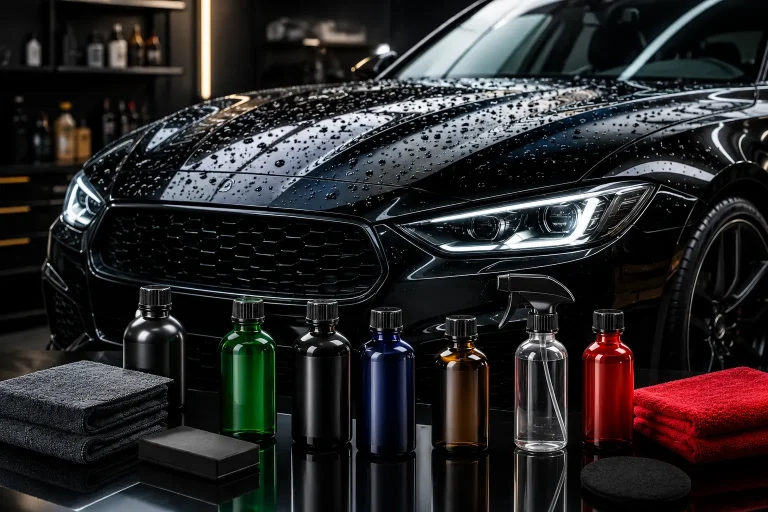
The right materials matter more than the brand. A ceramic coating is only as good as the wash routine that maintains it. Here is what you need:
pH-neutral soap is the most important product. Many traditional car soaps are fine, but dish soap and degreasers strip waxes and can weaken a ceramic coating over time. Look for a soap labeled pH-neutral or specifically formulated for ceramic coatings.
Microfiber wash mitts with a plush pile trap dirt and lift it away from the paint. A single mitt for the whole car is a mistake; use one mitt for the upper panels and a separate mitt for the lower panels where dirt accumulates.
Drying towels matter because air drying leaves mineral deposits. A large, plush microfiber drying towel or a waffle-weave towel absorbs water quickly without dragging grit across the paint.
Never mix wash chemicals. Some acidic wheel cleaners and alkaline soaps produce harmful fumes or damage coatings when combined. Always follow the soap manufacturer’s dilution instructions and rinse your mitts thoroughly between panels.
Installation, Application, and Everyday Use
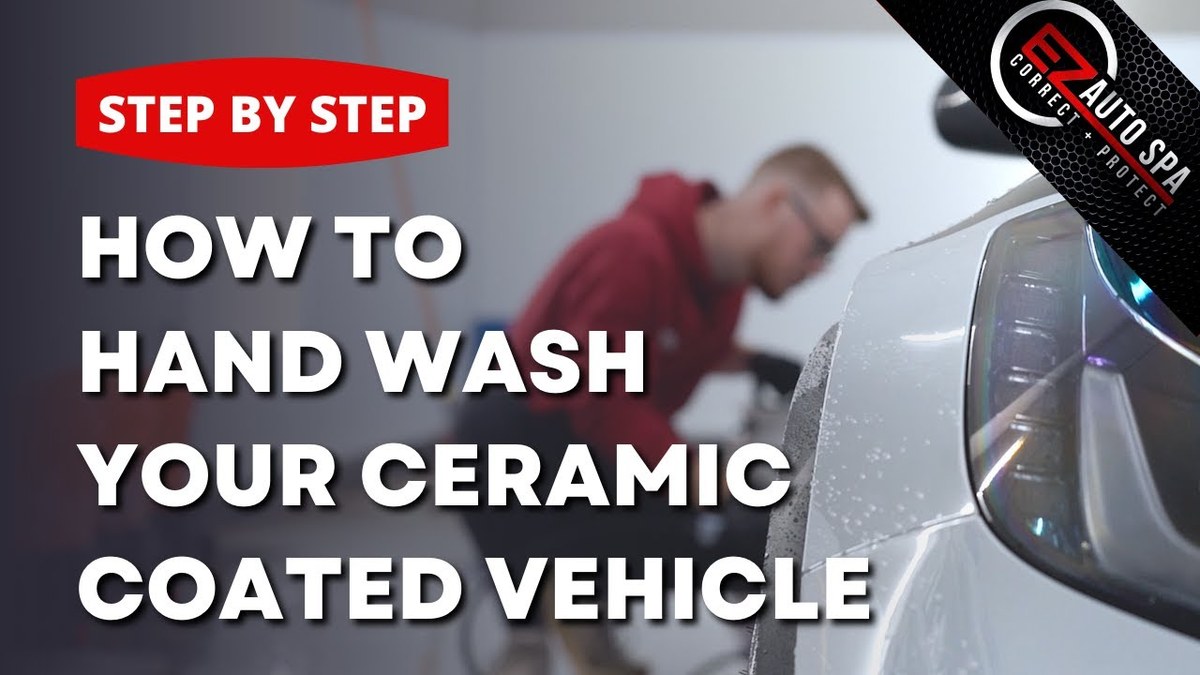
Once the coating is cured, the wash process itself is straightforward. The following steps work for a standard hose wash and can be adapted to a rinseless wash.
Use a hose or pressure washer on a wide fan setting to remove loose dirt and debris. Avoid aiming a pressure washer directly at edges, trim, or emblems, where water can get trapped.
If you have a foam cannon, apply a pH-neutral foam and let it dwell for a few minutes. This lifts dirt and lubricates the surface before you touch it. Work in the shade so the foam does not dry on the paint.
Use the two-bucket method: one bucket for soapy water, one for rinsing your mitt. Wash the roof, hood, and upper panels first, then move to the lower panels. Rinse the mitt in the clean bucket before reloading it with soap.
Remove all soap before it dries. A final rinse with a pressure washer or a hose without a nozzle helps water sheet off the hydrophobic surface.
Use a clean microfiber drying towel. Lay the towel on the panel and pull it across rather than rubbing. For extra protection, use a drying aid like a SiO2 spray sealant to add slickness and prevent water spots.
For a rinseless wash, mix the rinseless solution in a bucket, pre-soak one panel at a time, and wipe with a damp microfiber towel using light pressure. Flip or fold the towel frequently so you always present a clean face to the paint. This method is ideal for apartments and cold-weather washing.
Cleaning, Care, and Long-Term Maintenance
A ceramic coating does not eliminate maintenance; it changes the schedule. You still need to wash regularly, but the coating makes each wash faster and keeps the paint looking deeper between washes.
Plan to wash your coated car every one to two weeks, depending on driving conditions. After winter road salt, heavy rain, or long highway trips, wash sooner. Bird droppings and bug splatter should be removed within days because their acids can etch the coating and leave permanent marks.
Every few months, use an iron remover or fallout remover to dissolve embedded brake dust and rail dust, then rinse thoroughly. This keeps the surface smooth and prevents rust-colored spots from forming. For more detail on this issue, see our article on water spots on ceramic coating.
To restore slickness and gloss, apply a spray sealant or SiO2 topper after every few washes. These products are designed to bond with the coating and extend its life. A coating that is a year old will benefit more from a topper than a freshly cured one, which is still shedding water easily on its own.
Important Limitations and Common Mistakes
Ceramic coatings are durable, but they are not scratch-proof. The coating protects against light marring and chemical etching, not against rock chips, key scratches, or careless washing. A dirty mitt dragged across the paint will still leave swirl marks, and those marks can be difficult to remove without polishing, which removes the coating.
- Use a pH-neutral soap made for coated paint
- Wash in the shade or when the panel is cool
- Use separate mitts for upper and lower panels
- Dry with a clean microfiber towel using light pressure
- Apply a SiO2 topper after washing to maintain slickness
- Use dish soap, degreasers, or abrasive cleaners
- Run the car through a tunnel wash with rotating brushes
- Wipe dry dust off the paint without rinsing first
- Use a single dirty mitt for the whole car
- Let soap or water dry on the surface
Automatic car washes are the most common source of swirl marks on coated cars. Even touchless washes use harsh chemicals that can strip SiO2 toppers and degrade the coating over time. If you must use an automatic wash, choose a touchless option and accept that the coating will need more frequent topper applications.
Another common mistake is washing in direct sunlight. Heat causes soap and water to dry quickly, leaving mineral deposits and making it harder to see what you are doing. Wash early in the morning, late in the evening, or in a shaded area.
Finally, do not use a clay bar on a coated car without lubricant. Clay bars are abrasive by design and can mar the coating. If the paint feels rough, use a clay mitt or clay towel with plenty of lubricant, or consider an iron remover first. For severe coating damage, see our guide on how to remove ceramic coating before deciding whether to reapply.
Value, Alternatives, and What to Verify
A proper wash routine costs less than a single professional detailing session. A pH-neutral soap, two buckets, a couple of mitts, and drying towels are modest investments that protect a coating that may have cost hundreds or thousands of dollars. The value is obvious: the coating lasts longer, the paint stays glossier, and you avoid costly paint correction later.
If a traditional hose wash is not practical, consider these alternatives:
| Method | Best For | Key Consideration |
|---|---|---|
| Two-bucket hose wash | Owners with driveway and hose access | Most thorough; requires more time and equipment |
| Rinseless wash | Apartment dwellers, cold climates, quick maintenance | Safer for the coating when done with clean towels |
| Waterless wash | Light dust between washes | Only safe when the surface is barely dirty |
| Touchless automatic wash | Convenience when hand washing is impossible | Harsh chemicals may strip toppers; use sparingly |
Before you buy any wash product, verify three things. First, confirm the soap is pH-neutral and safe for coated paint. Second, check that your mitts and towels are high-quality microfiber with no rough edges or tags. Third, if you plan to use a topper, make sure it is SiO2-based or labeled for use over ceramic coatings. If you are unsure whether the coating is still performing, review our article on how long ceramic coating lasts to set realistic expectations.
Final Recommendation
The best way to wash a ceramic-coated car is a two-bucket method with pH-neutral soap, clean microfiber mitts, and immediate drying with a quality towel. This routine removes dirt safely, preserves the coating’s hydrophobic behavior, and prevents swirl marks. If you cannot do a hose wash, a rinseless wash is a close second and is especially practical for apartment dwellers.
Whatever method you choose, consistency matters more than perfection. A simple, repeatable routine that you actually follow will protect your coating far better than an elaborate process you skip. Avoid automatic brush washes, keep your towels clean, and reapply a SiO2 topper periodically to keep the coating performing at its best.
Washing a ceramic-coated car is not complicated, but it requires the right soap, clean mitts, and a dry towel. Skip the brushes and harsh chemicals, wash in the shade, and dry before water spots form. Do that consistently, and your coating will keep shedding water and looking glossy for years.