
Water Spots on Ceramic Coating: Causes, Fixes, and Prevention
Water spots on ceramic coating happen when mineral-heavy water dries on the surface. Ceramic coating helps water bead and makes cleaning easier, but it does not stop water spots completely. The best fix is to wash early, use a ceramic-safe water spot remover, dry the car well, and avoid letting hard water bake in the sun.
Water spots on ceramic coating are usually caused by hard water, sprinklers, rain minerals, soap residue, or letting water dry on hot paint. Most fresh spots can be removed safely, but older etched spots may need stronger cleaning or light polishing.
I’m Brandon Walker, and I’ve seen this problem on daily drivers, garage-kept cars, and road-trip vehicles. Ceramic coating gives great water beading, but that beading can also leave small droplets behind.
If those droplets dry in the sun, minerals can sit on the coating. Leave them too long, and they can become harder to remove.
What Are Water Spots on Ceramic Coating?
Water spots are mineral marks left behind after water dries on your car. They often look like white rings, cloudy dots, or dull stains on the paint.
On a ceramic coated car, water spots can still form because the coating does not remove minerals from water. It only helps water bead and slide away more easily.
That is why a coated car still needs proper washing and drying. If you are learning the basics, our car care guide is a good place to start.
Why Do Water Spots Happen on Ceramic Coating?
Water spots happen when water dries and leaves minerals behind. The minerals can come from tap water, sprinklers, rain, puddles, car wash water, or soap residue.
Heat makes the problem worse. If water sits on hot paint, it can dry fast and leave marks before you have time to wipe it away.
| Cause | What It Looks Like | How Serious It Is |
|---|---|---|
| Hard tap water | White dots or rings | Common and usually removable early |
| Sprinkler water | Heavy mineral spotting on one side of car | Can become stubborn if left in sun |
| Rain drying on paint | Light spotting or dusty residue | Usually mild if washed soon |
| Soap residue | Streaks or cloudy patches | Often fixed by proper rinsing and drying |
| Etched minerals | Dull spots that do not wipe away | May need polishing or professional help |
Are Water Spots Bad for Ceramic Coating?
Fresh water spots are usually not a big problem. They often sit on top of the coating and can be removed with washing or a water spot remover.
Older spots are different. If minerals sit too long, they may bond harder to the surface. In some cases, they can etch into the coating or clear coat.
This is why fast cleaning matters. A ceramic coating gives you more protection, but it does not give you permission to ignore the paint.
Water spots can be topical or etched. Topical spots sit on the surface and are easier to remove. Etched spots are deeper and may require polishing, which can reduce or remove some ceramic coating.
How to Remove Water Spots from Ceramic Coating
The safest way is to start gentle and only move stronger if needed. Do not jump straight to harsh chemicals or polishing.
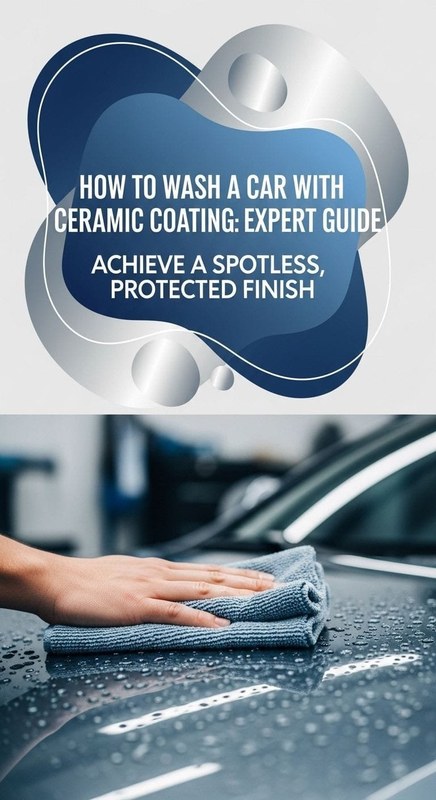
Use pH-neutral car soap to remove dirt, dust, and loose grime. Do not scrub dry water spots on dirty paint.
Use a clean microfiber drying towel. Check the paint under good light so you can see which spots remain.
Apply the product as directed. Work one small area at a time and do not let the cleaner dry on the paint.
Use light pressure. If the spot does not move, do not grind harder. Move to a stronger safe method instead.
Remove leftover product from the panel. Dry the area well so new spots do not form.
If the area feels less slick, use a ceramic maintenance spray or topper that matches your coating.
Why Fixing Water Spots Matters
Water spots matter because they make coated paint look dull, dirty, and uneven. They also make people think the ceramic coating failed.
In many cases, the coating is still working. The problem is mineral buildup sitting on top of it.
When water spots are removed early, the paint can look glossy again. When spots are ignored, they may need stronger cleaning or polishing later.
After one rainy highway drive, I left a coated hood parked in the sun too long. The water beading looked great at first, but by the next day, small mineral rings were visible. A gentle wash helped, but a spot remover finished the job.
Dos and Don’ts for Water Spots on Ceramic Coating
- Wash water spots as soon as you can.
- Use pH-neutral soap on coated paint.
- Dry the car after washing.
- Use ceramic-safe water spot remover.
- Work in shade on cool panels.
- Use clean microfiber towels.
- Do not let sprinkler water dry on the car.
- Do not use harsh cleaners without checking the label.
- Do not scrub hard on dry paint.
- Do not use dirty towels.
- Do not polish unless gentler methods fail.
- Do not wash in direct sun if you can avoid it.
Best Products to Use on Ceramic Coating Water Spots
The right product depends on how bad the spot is. Start with the mildest method first.
| Product Type | Best Use | Risk Level |
|---|---|---|
| pH-neutral car shampoo | Fresh spots and light residue | Low |
| Ceramic detail spray | Light wipe-down after washing | Low |
| Ceramic-safe water spot remover | Mineral spots that remain after washing | Medium if used wrong |
| Distilled water rinse | Reducing new mineral deposits | Low |
| Light polish | Etched spots that do not respond to cleaners | High because it can reduce coating |
If you are building a small garage detailing setup, our tools and garage gear guide can help you choose towels, applicators, and wash tools.
Spec Sheet: Water Spot Removal Basics
Can You Use Vinegar on Ceramic Coating Water Spots?
Some car owners use a diluted vinegar solution for mineral spots. I treat this as a careful test method, not my first choice.
Vinegar is acidic. It may help break down minerals, but it can also affect protection if used too strong, left too long, or used too often.
A ceramic-safe water spot remover is usually the better choice because it is made for automotive surfaces.
Do not let acidic cleaners dry on ceramic coating. Wear gloves, work in shade, test a small area first, and rinse the panel well after use.
Compatibility Note: Paint, Glass, Wheels, and Trim
Water spot removers are not all safe for every surface. A product that is safe for coated paint may not be safe for glass, matte paint, vinyl wrap, wheels, or textured plastic trim. Always check the label before use.
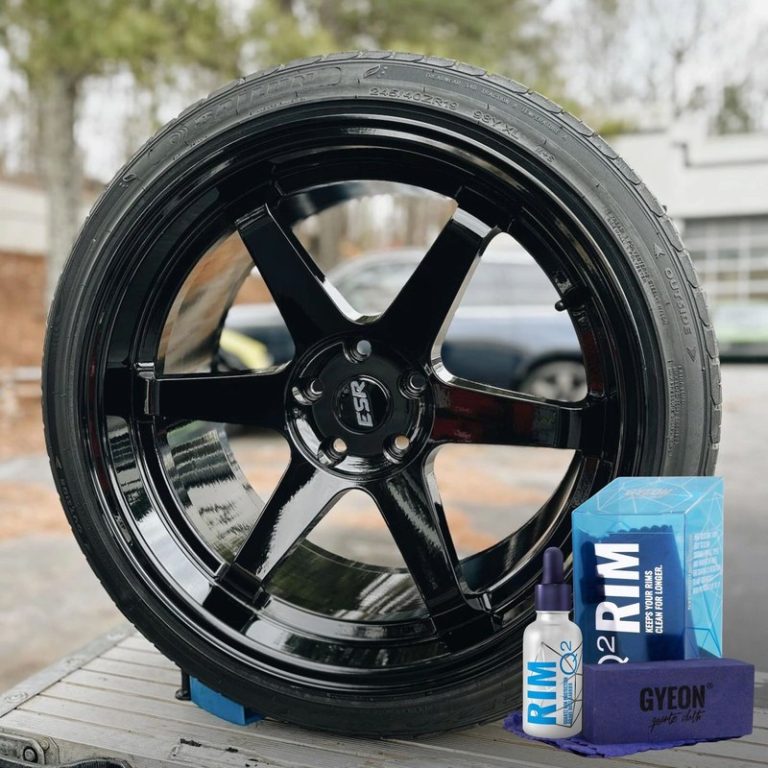
Glass can get stubborn mineral spots too. Wheels can also collect water minerals mixed with brake dust. Trim may stain if you use the wrong cleaner.
Budget Estimate for Water Spot Removal
If water spots are etched and need polishing, the cost can be higher. A professional detailer may charge more if the coating has to be corrected or reapplied.
Install Tips for Preventing Water Spots
- Apply ceramic coating in a clean, dry, shaded area.
- Keep the car away from rain and sprinklers during early cure time.
- Do not wash the car too soon after coating.
- Use filtered or softened water if your tap water is very hard.
- Dry the vehicle after every wash.
- Use a ceramic-safe topper when water behavior starts to weaken.
- Avoid parking near sprinklers whenever possible.
The easiest water spot fix is prevention. Wash in shade, rinse well, and dry the car before water can bake onto the coating.
How to Tell If Water Spots Are on the Coating or Etched Into the Paint
Start with a wash. If the spot disappears after washing, it was light residue.
If it remains but improves with water spot remover, it was likely mineral buildup on the coating.
If it does not improve after careful chemical cleaning, the spot may be etched. At that point, polishing may be needed.
| Spot Type | How It Behaves | Best Next Step |
|---|---|---|
| Light residue | Comes off after normal wash | Dry the car better next time |
| Mineral deposit | Needs water spot remover | Use ceramic-safe cleaner |
| Stubborn mineral ring | Fades but does not fully disappear | Repeat carefully or ask a detailer |
| Etched water spot | Does not respond to cleaner | Light polish may be required |
| Coating damage | Area loses slickness or beading | Refresh, top, or recoat area |
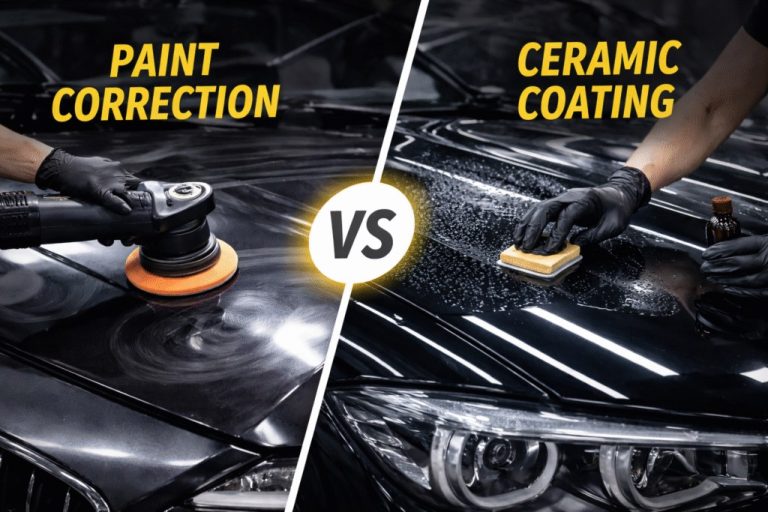
Polishing can remove or weaken ceramic coating. Only polish when washing and chemical spot removal do not work, and be ready to reapply protection afterward.
Why Ceramic Coating Still Gets Water Spots
Ceramic coating makes water bead because the surface is slick and hydrophobic. That is usually a good thing.
But those beads can sit on flat panels like the hood, roof, and trunk. If the sun dries them, minerals stay behind in small rings.
This does not mean the coating failed. It means the car still needs proper drying and maintenance.
For general car ownership and maintenance education, trusted sources like Car and Driver and Consumer Reports can be useful. For road safety and vehicle information, I also like NHTSA and AAA auto repair resources.
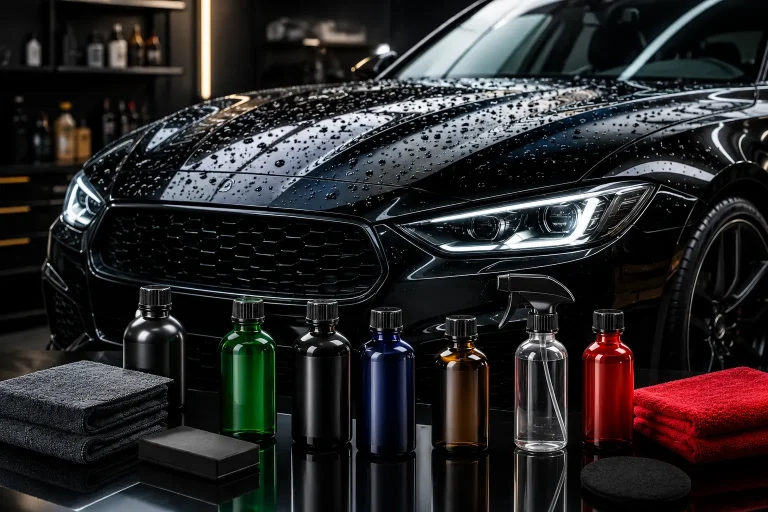
Strong water beading can look impressive, but it can also leave round droplets on flat panels. If those droplets dry in the sun, they may leave mineral rings behind.
Should You Recoat After Removing Water Spots?
Not always. If the coating still beads water and feels slick after cleaning, you may only need a ceramic maintenance spray.
If the area feels grabby, dull, or no longer beads, the cleaner may have weakened the coating. In that case, use a topper or recoat the affected panel.
For more product-style guidance, you can browse Autostin for car care and detailing gear picks.
Final Verdict on Water Spots on Ceramic Coating
- Water spots can still happen on ceramic coating.
- Hard water, sprinklers, rain, and soap residue are common causes.
- Fresh spots are usually easier to remove than etched spots.
- Start with a gentle wash before using stronger cleaners.
- Drying the car is the best daily prevention habit.
- Polishing should be a last resort because it can reduce coating protection.
Water spots on ceramic coating are common, but they are usually manageable. Wash early, use the right cleaner, avoid hot panels, and dry the car well. If the spots are etched, get professional help or be ready to refresh the coating after polishing.
Frequently Asked Questions
Water spots happen when mineral-heavy water dries on the coating. Common causes include hard water, sprinklers, rain, soap residue, and washing in direct sun.
Fresh water spots usually sit on top of the coating. Older spots can bond harder or etch into the surface if they are left too long.
Wash the car first, dry it, then use a ceramic-safe water spot remover. Work in shade and do not let the cleaner dry on the paint.
A diluted vinegar solution may help with some mineral spots, but it should be used carefully. A ceramic-safe water spot remover is usually a better choice.
Polishing can remove stubborn or etched water spots, but it may also remove or weaken the ceramic coating. Use polishing only as a last resort.
Wash in shade, rinse well, dry the car after washing, avoid sprinklers, and remove rain or hard water marks before they bake in the sun.
No, water spots do not always mean the coating failed. They often mean minerals dried on top of the coating and need proper cleaning.
Only reapply if the area no longer beads water or feels slick. If the coating still performs well, a ceramic maintenance spray may be enough.
Conclusion: Fix Water Spots Early
Water spots on ceramic coating can be frustrating, but they do not always mean something is wrong with the coating.
Most of the time, the issue is mineral-heavy water drying on the surface. The faster you clean it, the easier it is to fix.
My practical advice is simple: do not let water dry on coated paint if you can avoid it. Wash in shade, dry the car well, and use a ceramic-safe water spot remover when normal washing is not enough. That simple routine will keep your coated car looking cleaner, glossier, and easier to maintain.
One Comment