
Ceramic Coating Car Wash: Soap, Tools, and Mistakes to Avoid
A ceramic coating car wash should be gentle, pH-neutral, and low-friction. Use a quality car shampoo, clean microfiber mitts, two buckets, and safe drying towels. Skip harsh soaps, dirty brushes, and strong chemicals that can reduce the coating’s slick feel and water beading.
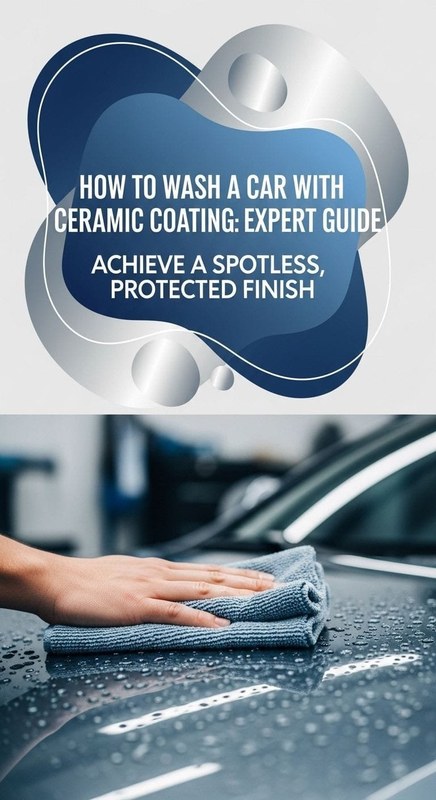
The best way to wash a ceramic coated car is to rinse first, wash from top to bottom with a pH-neutral car wash soap, rinse again, and dry with clean microfiber towels. A ceramic coating makes cleaning easier, but it still needs proper care to stay glossy, slick, and hydrophobic.
I’m Brandon Walker, and I’ve spent plenty of weekends cleaning cars after road trips, highway bug splatter, gravel dust, and rainy commutes. Ceramic coating is one of my favorite upgrades for paint care, but I see one mistake all the time: people think a coated car no longer needs careful washing.
That is not true. A ceramic coating helps protect the paint, but bad washing can still leave swirls, water spots, and dull panels. In this guide, I’ll show you how I wash a ceramic coated car the simple way.
What Is a Ceramic Coating Car Wash?
A ceramic coating car wash is a safe wash method made for cars with ceramic paint protection. It uses gentle soap, soft wash tools, and careful drying to clean the car without wearing down the coating faster than needed.
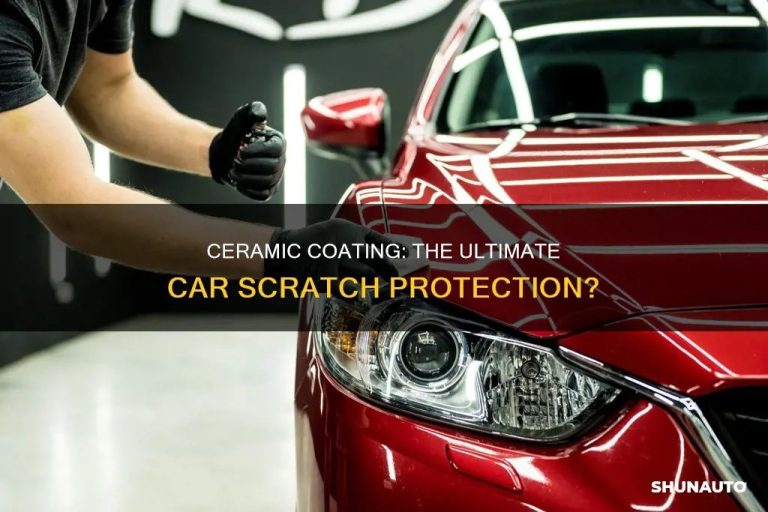
Ceramic coatings are often made with SiO2-based protection. They bond to the clear coat and create a slick layer. This layer helps water bead, makes dirt easier to remove, and gives the paint a deeper shine.
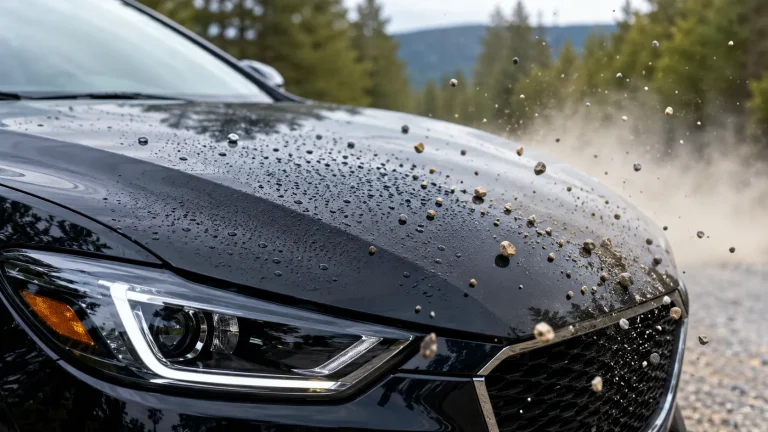
But ceramic coating is not magic armor. Dirt can still sit on the surface. Brake dust can still stick to lower panels. Bird droppings, tree sap, bug guts, and road salt can still cause problems if you leave them too long.
For more car cleaning and detailing basics, I’d also point you to our car care guide. A good ceramic wash routine is really just smart detailing with less friction.
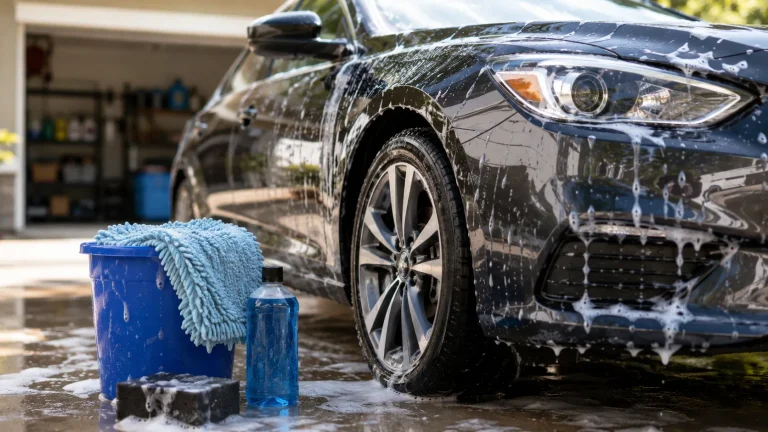
For most drivers, I recommend a pH-neutral car shampoo, two microfiber wash mitts, a drying towel, and a ceramic-safe spray topper. That setup is simple, affordable, and safe for weekly or biweekly washing.
How Ceramic Coating Works During a Wash
When you wash a ceramic coated car, you are not trying to scrub the coating. You are trying to float dirt away from the surface. That is why water, soap lubrication, and soft towels matter so much.
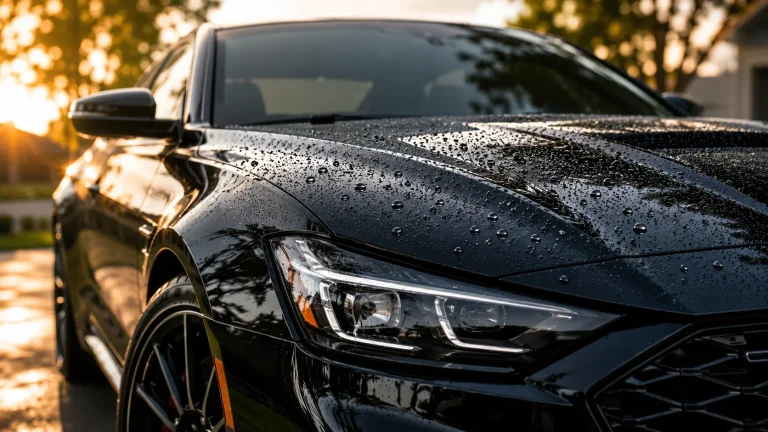
The coating makes the surface slick. Water beads and rolls off easier. Dirt has a harder time gripping the paint. But if you drag grit across the panel, the coating will not stop every scratch.
Consumer Reports also recommends rinsing loose dirt first and washing one section at a time so soap does not dry on the paint. That same idea matters even more on coated cars because dried soap and minerals can leave spots. You can see more general wash guidance from Consumer Reports car washing tips.
How to Do a Ceramic Coating Car Wash at Home
You do not need a pro garage to wash a coated car. You just need clean tools and a calm process. I like to wash early in the morning, late in the day, or inside a shaded area.
Start with cool paint. Hot panels make soap and water dry too fast. That can leave spots, streaks, and mineral marks.
Use clean water to remove loose dust, sand, pollen, and grit. Spend extra time on the lower doors, rear bumper, wheels, and front bumper.
Wash the roof, glass, hood, trunk, upper doors, lower doors, and bumpers in that order. Rinse your mitt often in the clean water bucket.
Use a separate brush or mitt for wheels and tires. Brake dust is rough and dirty, so do not use wheel tools on paint.
Rinse each panel until the soap is gone. Watch for hidden suds around mirrors, trim, door handles, badges, and fuel doors.
Pat or lightly drag a clean drying towel across the paint. Do not use bath towels, paper towels, or old shop rags.
Use one wash mitt for upper panels and another mitt for lower panels. The lower half of the car usually carries more grit, tar, and road film.
Why a Proper Ceramic Coating Wash Matters
A good wash routine helps the coating last longer and look better. It also keeps the paint easier to clean next time.
If you use harsh soap, dirty towels, or automatic brush washes, the coating can lose slickness. Water may stop beading as well. The paint may also pick up fine swirl marks.
I treat ceramic coating like a good pair of driving gloves. It helps, but you still need to use it right.
After a 600-mile summer trip, my front bumper had bugs, dust, and light road film. A foam pre-rinse and pH-neutral wash removed most of it without hard scrubbing. The coated panels dried faster than untreated paint, but the bug-heavy areas still needed patience.
Ceramic Coating Car Wash Soap: What to Look For
The best soap for a ceramic coating car wash is usually a pH-neutral car shampoo with good slickness. You want a soap that cleans dirt but does not strip protection.
Some soaps include ceramic additives. These can help boost gloss and water beading. But for regular washing, I still like a simple pH-neutral soap first. Add a ceramic spray topper only when the coating needs a little refresh.
Car and Driver notes that car wash soaps are made for vehicle paint and protective coatings. That is the key point. Do not replace car shampoo with household soap just because it makes bubbles. You can compare product types through Car and Driver’s car wash soap testing.
| Wash Product | Best Use | Good for Ceramic Coating? |
|---|---|---|
| pH-neutral car shampoo | Regular safe washing | Yes, best regular choice |
| Ceramic wash soap | Boosting gloss and water beading | Yes, when used as directed |
| Waterless wash | Light dust and quick touch-ups | Yes, only on lightly dirty paint |
| Dish soap | Household grease cleaning | No, avoid for routine car washing |
| Strong degreaser | Engines, tires, and heavy grime | No, not for coated paint unless diluted and needed |
Dos and Don’ts for Washing a Ceramic Coated Car
- Use a pH-neutral car shampoo.
- Wash in shade on cool paint.
- Rinse loose dirt before touching the paint.
- Use clean microfiber towels and mitts.
- Dry the car after rinsing to reduce water spots.
- Do not use dish soap for normal washes.
- Do not scrub dry dirt with a towel.
- Do not use automatic brush washes if you care about swirls.
- Do not let soap dry on the paint.
- Do not use the same mitt for wheels and paint.
Best Wash Method for Different Driver Types
Not every driver needs the same wash routine. A garage-kept weekend car is different from a daily driver that sees rain, snow, road salt, and parking lot dust.
| Driver Type | Best Wash Routine | Extra Tip |
|---|---|---|
| Daily commuter | Hand wash every 1 to 2 weeks | Clean lower panels often because road film builds up fast |
| Road trip driver | Wash after long trips | Remove bugs from the front bumper as soon as possible |
| Garage-kept car | Gentle wash when dusty | Use rinseless or waterless wash only if dirt is light |
| Winter driver | Frequent rinse and hand wash | Focus on salt, wheels, wheel wells, and lower doors |
| Truck or SUV owner | Pre-rinse, foam, then contact wash | Use a step stool for safe roof cleaning |
This wash method works for most ceramic coated cars, trucks, SUVs, EVs, and motorcycles. It is also safe for coated wheels, glass coatings, and paint protection film when the product label says it is safe for those surfaces.
How Much Does a Ceramic Coating Car Wash Cost?
A home ceramic coating car wash is not expensive once you have the basic gear. The first setup costs more because you need towels, buckets, and wash tools. After that, each wash costs much less.
If you are building a small home detail kit, our tools and garage gear guide is a good place to plan buckets, sprayers, towels, and storage.
Install Tips for Your Ceramic Coating Wash Setup
This is not a bolt-on install, but your wash setup still matters. A smart layout helps you move faster and make fewer mistakes.
- Keep paint towels, wheel towels, and interior towels in separate bins.
- Label one bucket for soap and one bucket for rinse water.
- Add grit guards to both buckets if you wash often.
- Store microfiber towels clean, dry, and away from garage dust.
- Keep a small spray bottle of ceramic-safe detailer for bird droppings and fresh bugs.
- Check that the shampoo says pH-neutral or coating-safe.
- Choose soft microfiber towels with no rough edges.
- Make sure wheel cleaners are safe for your wheel finish.
- Avoid products that promise heavy cutting, stripping, or polishing unless you plan to correct the paint.
- Buy enough towels so you are never forced to reuse a dirty one.
Can You Use an Automatic Car Wash on Ceramic Coating?
You can, but I do not recommend brush-style automatic washes for a coated car. The coating may survive, but the brushes can still drag dirt across the paint.
Touchless washes are safer than brush washes, but they often use stronger chemicals to clean without contact. Once in a while may be fine, but I would not make it my main routine.
If you want the best look, hand washing is still the safest choice. Popular Mechanics also covers safe car cleaning habits and why the right tools matter. For general car DIY and cleaning ideas, you can check Popular Mechanics car how-to guides.
Water beading does not always mean the coating is perfect, and weak beading does not always mean the coating is gone. Sometimes the surface is clogged with road film. A proper wash or decontamination step may bring back slickness.
Be careful with pressure washers. Keep the nozzle moving and do not spray too close to chipped paint, loose trim, sensors, badges, or old clear coat. Also use a stable step stool when washing tall SUVs or trucks.
Common Ceramic Coating Wash Problems
Most ceramic coating wash problems come from dirt, minerals, heat, or the wrong product. The good news is that many of these issues are easy to prevent.
| Problem | Likely Cause | Simple Fix |
|---|---|---|
| Weak water beading | Road film or soap residue on coating | Wash well and use a ceramic-safe topper if needed |
| Water spots | Hard water dried on hot paint | Wash in shade and dry right away |
| Swirl marks | Dirty mitts or rough towels | Use clean microfiber and rinse mitts often |
| Streaky finish | Too much product or poor drying | Use less spray and buff with a clean towel |
| Bug stains | Bugs left on paint too long | Soften with pre-rinse and use a safe bug remover |
Road film can hide the hydrophobic effect of a ceramic coating. Sometimes the coating is still there, but it needs a deeper wash to shed water like it used to.
When Should You Add a Ceramic Spray Topper?
A ceramic spray topper is not always needed after every wash. I use it when the paint feels less slick, water beading looks weaker, or I want extra gloss before a road trip or car meet.
Do not overuse it. Too much spray can streak, smear, or attract dust. A light mist on a clean, dry panel is usually enough.
If you like testing small detailing upgrades, our exterior accessories guide can help you compare simple exterior care tools and add-ons.
My Simple Ceramic Coating Car Wash Routine
Here is the routine I use for most coated daily drivers:
- Rinse the car well.
- Foam or pre-soak if the car is dirty.
- Wash with pH-neutral shampoo and a microfiber mitt.
- Use a separate mitt or brush for wheels.
- Rinse from top to bottom.
- Dry with a clean microfiber towel.
- Add ceramic spray only when the coating needs a boost.
That is it. Simple beats fancy most of the time.
- A ceramic coating car wash should be gentle, clean, and low-friction.
- Use pH-neutral soap, microfiber tools, and the two-bucket method.
- Avoid dish soap, brush car washes, dirty towels, and harsh chemicals.
- Dry the car after rinsing to help prevent water spots.
- Use ceramic spray toppers only when the coating needs a refresh.
The best ceramic coating car wash is a careful hand wash with pH-neutral soap, clean microfiber, and smart drying. The coating helps your car stay cleaner, but your wash method keeps it looking sharp.
FAQ About Ceramic Coating Car Wash
The best car wash for ceramic coating is a hand wash with pH-neutral car shampoo, clean microfiber mitts, and safe drying towels. This keeps friction low and protects the coated finish.
Yes, if it is a quality automotive soap and pH-neutral. Avoid dish soap, harsh cleaners, and strong degreasers for routine washing.
Most ceramic coated cars should be washed every 1 to 2 weeks, depending on weather, road salt, dust, bugs, and how often you drive.
A brush-style automatic wash can add swirl marks and reduce gloss over time. A touchless wash is safer, but hand washing is still the best choice.
No. A pH-neutral car shampoo is enough for regular washing. Ceramic soap or spray toppers can help boost slickness and water beading when needed.
The coating may be clogged with road film, soap residue, or minerals. A proper wash or coating-safe decontamination may help restore water beading.
Yes, but keep the nozzle at a safe distance and do not spray too close to chipped paint, loose trim, sensors, or badges.
Final Thoughts
A ceramic coating car wash does not need to be complicated. Use the right soap, wash gently, rinse well, and dry with clean microfiber. That routine will protect the coating and help your car keep its gloss.
My practical recommendation is simple: start with a pH-neutral shampoo, two buckets, two mitts, and a good drying towel. Add a ceramic spray topper only when the coating needs help. Keep your tools clean, stay out of direct sun, and avoid brush washes whenever possible.
Do that, and your coated car will be easier to clean after work commutes, weekend drives, and long road trips.
3 Comments