
Do Seat Covers Damage Leather Seats? Expert Facts and Prevention Tips

Seat covers can protect leather seats from spills, dirt, sunlight, and daily wear. However, a poor fit, rough backing, or trapped heat can cause rubbing, scratches, discoloration, or surface damage.
Seat covers usually do not damage leather seats when we choose a soft, breathable, well-fitted design and install it correctly. We can reduce risk by checking the cover often, keeping the leather clean, and removing trapped dust or moisture.
Key Takeaways
- Choose soft, breathable covers made for your vehicle.
- Avoid loose, rough, or heat-trapping materials.
- Check and clean the covers and leather regularly.
How Seat Covers Interact With Leather Upholstery
Seat covers usually protect leather when they fit well, use breathable materials, and stay clean. Poor fit, trapped heat, moisture, or grit can cause rubbing, stains, odor, and surface wear.
Friction, Heat, And Pressure Points
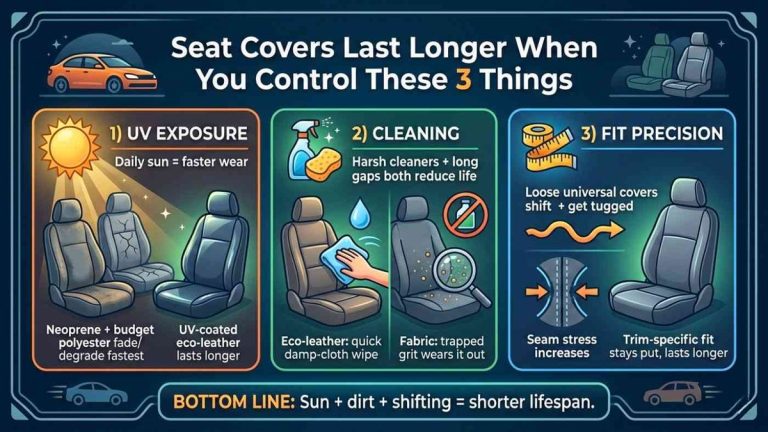
Leather can wear when a loose cover shifts as we enter, exit, or adjust our position. Repeated movement may create friction, especially along the outer bolster, seat edge, and seams. A cover that bunches up can also press against one small area and leave creases or marks.
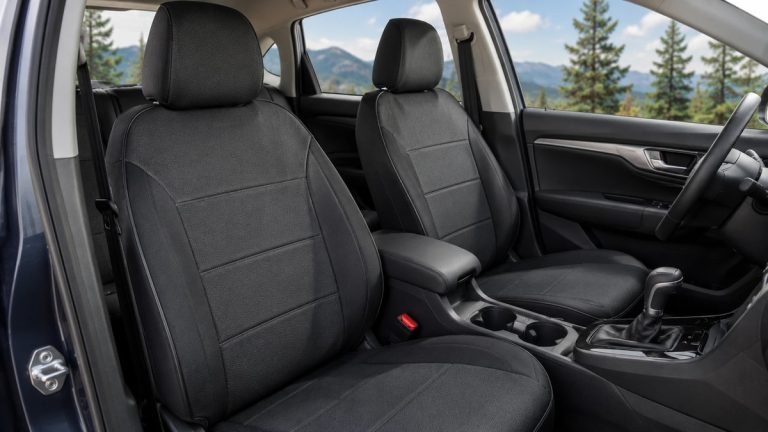
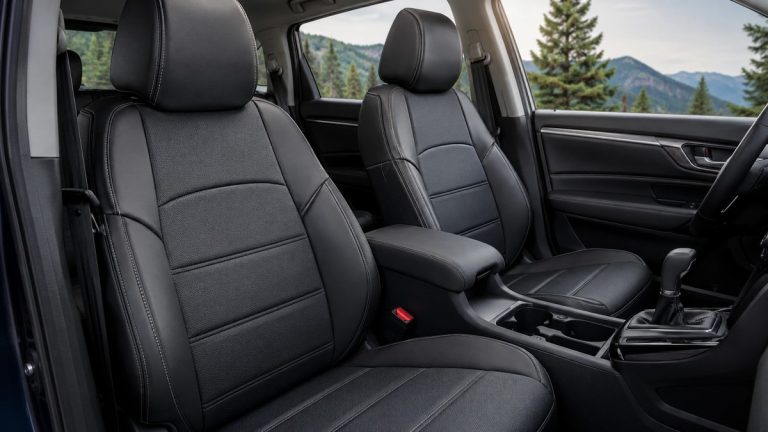
We should choose a cover made for our exact seat design. It must fit snugly without pulling across the leather or interfering with seat controls, airbags, or adjustable parts. Soft, breathable fabric generally creates less risk than rough material, plastic, or a cover with exposed metal hooks.
Heat can build up under thick or nonbreathable covers, especially in direct sunlight. High temperatures may dry the leather and speed surface cracking over time. We can reduce this risk by removing the covers periodically, allowing the seats to cool, and using a leather conditioner suited to the vehicle’s finish.
Moisture And Debris Trapped Beneath Covers
Sweat, spilled drinks, rainwater, and cleaning residue can collect between a cover and the leather. When the cover stays in place, the moisture has less chance to evaporate. This can lead to odors, discoloration, or damage to the leather’s protective coating.
Dirt and sand create a similar problem. Small particles can work into the cover’s seams and rub against the seat during normal movement. We should remove the covers regularly and clean both surfaces with products approved for automotive leather.
Before reinstalling a cover, we should make sure the leather and the cover are completely dry. We also need to inspect the underside for grit, damp spots, loose fasteners, or worn fabric. Fastening the cover securely helps prevent movement and limits contact damage.
Factors That Increase the Risk of Wear
Seat covers can wear leather faster when they move, trap moisture, or rub against the surface. We can reduce these risks by choosing a proper fit, checking the materials and fasteners, and inspecting the seats regularly.
Poor Fit And Cover Movement
A loose cover can shift each time we enter, exit, or adjust our position. This movement creates repeated friction across the seat surface. Over time, it may cause dull spots, scuffing, wrinkles, or color changes, especially on the seat bolsters and front edge.
A cover that fits too tightly can also cause problems. Excessive tension may press seams, straps, or edges into the leather. Covers made for a different seat shape may bunch in some areas while pulling against others.
We should use covers designed for our specific seat type and vehicle. They must allow all seat controls, belts, airbags, and adjustable parts to work as intended. We should also check the fit after several drives and reposition the cover if it has shifted.
Rough Backing Materials And Fasteners
Some covers have coarse fabric, exposed stitching, or abrasive backing that can rub against leather. Foam-backed materials may also hold heat and moisture against the seat. Dirt trapped between the cover and leather can increase abrasion when the cover moves.
Metal hooks, sharp clips, zippers, and poorly placed straps create additional contact points. These parts can scratch or press into the upholstery, particularly along edges and side bolsters. Strong dyes or coatings may also transfer color when the seat becomes warm or damp.
We should choose a smooth, breathable cover with protected seams and covered fasteners. Before installation, we can turn the cover inside out and check for rough areas, loose threads, or exposed hardware. We should not install it over dirty or damp leather.
Extended Use Without Inspection
A cover can hide early signs of damage. If we leave it installed for months without checking underneath, we may miss trapped moisture, spilled liquids, dye transfer, or developing scuffs. These problems can worsen when heat keeps the area warm.
We should remove the cover periodically and inspect the seat in good light. We can check the seat surface, seams, bolsters, straps, and attachment points. A clean, dry microfiber cloth can remove loose dirt before we reinstall the cover.
We should wash the cover according to its care instructions and let it dry completely. If we find cracking, peeling, discoloration, or persistent dampness, we should stop using the cover until we identify and fix the cause.
Choosing Leather-Safe Seat Covers
We protect leather best with covers that allow airflow, fit the seat closely, and use smooth materials. We also need to avoid designs that create friction, trap heat or moisture, or interfere with seat-mounted safety systems.
Breathable, Non-Abrasive Materials
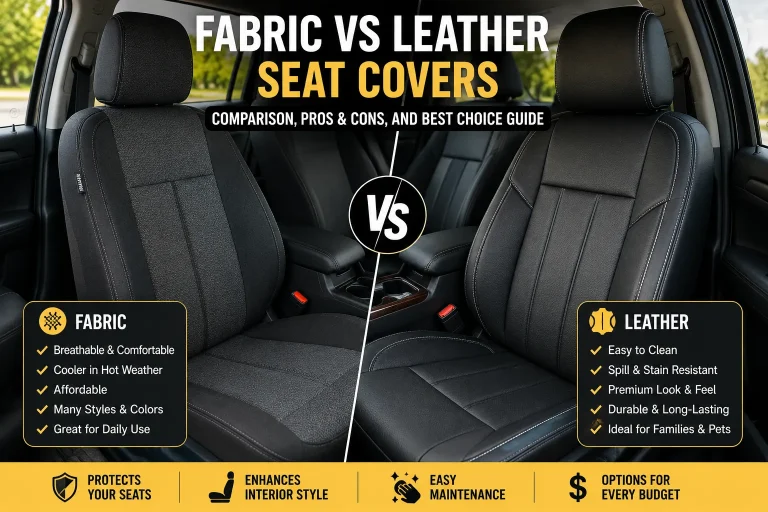
We should choose covers made from breathable woven fabric, mesh, or thin perforated materials. These materials allow heat and moisture to escape instead of holding them against the leather. They can also help reduce damage from spills, sunlight, and daily wear.
The inside surface should feel smooth and soft. Rough seams, exposed hooks, and hard backing can rub against the leather as we enter, exit, or adjust the seat. We should avoid covers with sharp fasteners or coarse fabric that may leave marks.
Before installation, we should clean and dry the leather. Dirt trapped between the cover and seat can act like sandpaper. We should also remove the cover regularly to inspect the leather and clean both surfaces.
Custom-Fit Versus Universal Designs
Custom-fit covers usually provide the safest fit because they match the seat’s shape, headrest, and control locations. A secure fit limits movement, which helps prevent rubbing and wrinkles. We should confirm that the covers fit our exact vehicle year, model, trim, and seat style.
Universal covers can work, but we need to check them carefully. Loose material may bunch under our weight, while tight straps can press into the leather. A cover should stay in place without stretching across seams or blocking seat controls.
We must also check compatibility with side airbags. Covers should include approved openings or seams that allow the airbags to deploy as designed. We should never cover an airbag label or alter the cover to create an opening.
Features to Avoid
We should avoid thick, non-breathable padding that traps heat and moisture. Long-term exposure to heat, sweat, or dampness can affect leather surfaces and finishes. Waterproof layers may help with spills, but they should not remain against the seat while wet.
Covers with rough backing, exposed metal parts, stiff plastic, or unsecured straps can scratch or crease the leather. We should also avoid covers that slide, wrinkle, or require excessive force to install.
Before buying, we should check for these features:
- Airbag-compatible construction
- Soft, smooth backing
- Secure but non-abrasive fasteners
- Openings for seat controls and belts
- Materials that do not bleed dye when damp
Proper Installation And Ongoing Care
We protect leather seats best when we start with clean, dry surfaces, use a well-fitted cover, and check the upholstery regularly. Proper care helps prevent trapped grit, moisture, heat, and friction from causing avoidable wear.
Preparing the Seats Before Installation
Before installing covers, we remove dust, sand, and other debris from the leather and the gaps around each seat. A soft vacuum brush works well, followed by a clean, slightly damp microfiber cloth. We let the leather dry fully before covering it.
We also check the seat for cracks, loose stitching, stains, or damp areas. Covers can hide problems and may hold moisture against damaged leather. We should address these issues first.
We choose covers made for the exact vehicle and seat design. They should fit snugly without bunching, rubbing, or placing pressure on seams. We must not block seat-mounted airbags, controls, seat belts, or sensors. After installation, we move the seat through its normal positions and check that the cover stays smooth and secure.
Cleaning Covers And Inspecting Leather
We follow the cover maker’s washing instructions and clean covers before dirt builds up. Removable covers should be taken off carefully, washed with a suitable product, and dried completely before we reinstall them. Damp covers can trap moisture against the leather and encourage odor or surface damage.
When we remove a cover, we inspect the leather and the cover’s underside. We look for grit, discoloration, dampness, scuff marks, flattened areas, and loose fasteners. We should clean the underside because dirt there can act like sandpaper when the cover shifts.
We use leather products approved for automotive upholstery and avoid harsh solvents, bleach, and excessive water. If we find repeated rubbing or heat buildup, we adjust the fit or replace the cover.
Removing Covers Periodically
We remove covers at regular intervals rather than leaving them in place indefinitely. The right schedule depends on use, but monthly checks suit many vehicles, while vehicles carrying pets, children, tools, or wet items need more frequent inspections.
During each check, we air the seats and examine seams, folds, and areas where the cover touches the leather. We clean both surfaces and allow them to dry before reinstalling the cover. This also lets us identify small problems before they worsen.
We should remove the covers immediately after spills or when they become wet. If a cover slips, bunches, or rubs against a seam, we stop using it until we correct the fit. For vehicles with heated or ventilated seats, we confirm that the cover allows those features to operate safely.
When Seat Covers Are Worth Using
Seat covers make sense when daily use exposes leather to unusual wear, spills, dirt, or heavy sunlight. We can also preserve leather with regular cleaning, conditioning, shade, and careful use when covers would add more heat or reduce seat comfort.
Protecting High-Traffic Vehicles
We may benefit from seat covers in work trucks, family vehicles, taxis, and cars used for outdoor activities. These vehicles often face muddy clothing, tools, food spills, pet hair, and repeated entry and exit. A well-fitted cover can reduce contact with dirt and limit abrasion on the leather surface.
We should choose breathable, non-abrasive fabric with a secure fit. The cover must not block seat-mounted airbags, interfere with seat controls, or slide across the upholstery. Before installation, we should clean and dry the leather. We should also remove the cover regularly to check for trapped grit, moisture, dye transfer, or creases.
We should avoid thick foam-backed covers on freshly conditioned leather because they can hold heat and moisture against the surface. Poorly fitted covers may rub the leather as we move, causing more wear than they prevent.
Alternatives for Preserving Leather
We can often protect leather without covering the seats. Vacuuming seams and removing grit reduces friction, while prompt cleanup helps prevent stains. We should use a leather cleaner made for automotive upholstery and follow its instructions. A suitable conditioner can help maintain flexibility, but excess product may leave the surface greasy.
Parking in shade or using a windshield sunshade limits heat and ultraviolet exposure. We can also avoid sharp tools, rough clothing, and heavy objects on the seats. For pets, a properly secured pet hammock with a smooth underside can protect the rear seat without covering the front airbags.
If we use covers only during specific activities, such as transporting pets or dirty equipment, we should remove them afterward. This lets us inspect the leather and keeps the seats cooler and better ventilated.
Frequently asked questions
Can seat covers damage leather seats?
They can, but the risk depends on the cover’s material, fit, and design. Rough fabric, trapped moisture, sharp fasteners, and covers that shift during use may cause scuffs, stains, or wear.
Which seat covers work best with leather?
We recommend soft, breathable materials such as cotton, wool, or well-made canvas. Choose covers designed for your exact seat shape, with smooth backing and secure fastening that does not press hard against the leather.
Should we avoid universal seat covers?
Universal covers may fit poorly and bunch up. Low-quality faux-leather covers can also trap heat and moisture, so we should check the material and ventilation before buying.
Can seat covers affect heated or ventilated seats?
Yes. Covers may reduce airflow from ventilated seats and may interfere with heating. We should follow the vehicle and cover manufacturer’s instructions, especially when the seats contain airbags.
How can we prevent damage?
We should clean and dry the leather before installing covers, remove dirt regularly, and inspect the seats for rubbing or moisture. We should also remove the covers if they slip, bunch, or show signs of wear.
Do we need seat covers over leather seats?
No. Leather seats do not require covers, but covers can help protect them from spills, pets, children, and heavy use when we choose and maintain them properly.
Conclusion
We can use seat covers on leather seats without causing damage when we choose the right product and install it correctly. A snug fit, smooth backing, and breathable material help reduce rubbing, trapped moisture, and creases.
We should avoid covers with rough fabric, exposed hooks, sharp fasteners, or loose sections that shift during use. We also need to check the seats and covers often for dirt, grit, moisture, and signs of wear.
For the best protection, we can follow this simple checklist:
- Choose covers made for leather seats.
- Confirm that they fit securely without excessive pressure.
- Clean both the leather and covers regularly.
- Remove the covers if moisture becomes trapped underneath.
- Check the vehicle’s airbag and seat-sensor requirements before installation.
Seat covers can protect leather from spills, stains, and daily wear, but they do not replace regular leather care. With proper fit, safe materials, and routine cleaning, we can protect the seats while keeping them comfortable and in good condition.
One Comment