
What Does Ceramic Coating Do? A Practical Guide for Car Owners

Ceramic coating adds a slick protective layer over your car’s paint. It helps water bead, makes washing easier, boosts gloss, and gives better resistance against UV rays, dirt, road grime, bird droppings, and light chemical stains. It does not stop rock chips, dents, or deep scratches.
Ceramic coating protects your car’s clear coat by creating a durable, hydrophobic layer on top of the paint. It helps your car stay cleaner longer, makes dirt easier to remove, and keeps the paint looking glossy when maintained correctly.
I’m Brandon Walker, an automotive gear reviewer at Autostin. I test and review car products so you don’t have to guess what’s worth buying.
From dash cams and emergency tools to tire inflators, interior accessories, detailing gear, and DIY maintenance tools, I break it all down in plain language so you can make the right call before you spend a dime.
Ceramic coating is one of the most talked-about car care upgrades. But many car owners still ask a simple question: what does ceramic coating actually do?
What Is Ceramic Coating?
Ceramic coating is a liquid paint protection product. It is applied over your car’s clear coat and cures into a slick protective layer.
Most ceramic coatings are made with silicon dioxide, often called SiO2. This ingredient helps the coating bond to the paint and create strong water-beading behavior.
The coating does not replace your clear coat. It sits on top of it and helps protect it from daily exposure.
Think of it as a stronger and longer-lasting layer than wax. It is not magic, but it can make car care much easier.
What Does Ceramic Coating Do?
Ceramic coating does five main things for your car paint.
It helps repel water. It adds gloss. It makes washing easier. It protects against light contamination. It also helps reduce damage from UV exposure and daily road grime.
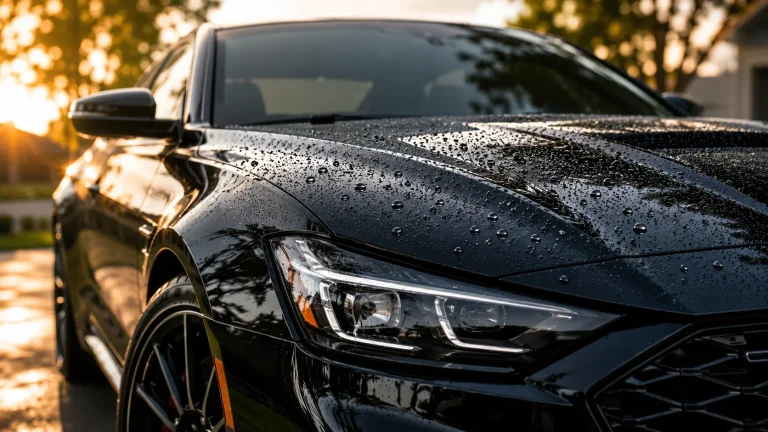
When water hits a coated surface, it forms beads instead of sitting flat. That is the hydrophobic effect people often notice first.
When dirt lands on coated paint, it usually does not stick as strongly. That means your next wash can feel easier and faster.
| What Ceramic Coating Does | What It Means | Real Benefit |
|---|---|---|
| Repels water | Water beads and rolls away | Less water sits on the paint |
| Adds gloss | Paint looks deeper and cleaner | Car looks freshly detailed longer |
| Makes washing easier | Dirt sticks less to the surface | Less scrubbing during maintenance |
| Helps resist UV rays | Supports paint protection under sunlight | Useful for cars parked outside |
| Resists light stains | Helps against bugs, grime, and droppings | Gives you more time to clean safely |
How Ceramic Coating Works
Ceramic coating works by bonding to the clear coat. Once it cures, it forms a slick layer over the paint.
This layer changes how water, dirt, and grime sit on the surface. Instead of clinging tightly, they release more easily during washing.
That is why coated cars often look cleaner after rain and feel easier to wash after a road trip.
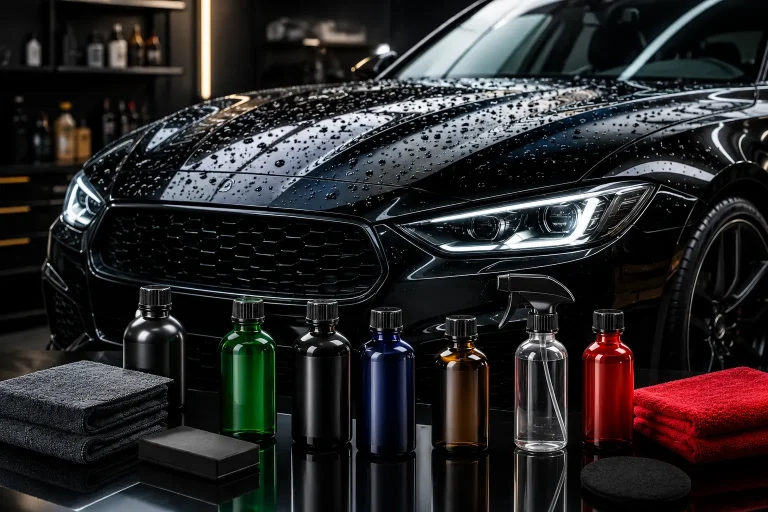
If you are building a car care setup, our car care guide can help you choose useful wash and detailing products.
How to Apply Ceramic Coating
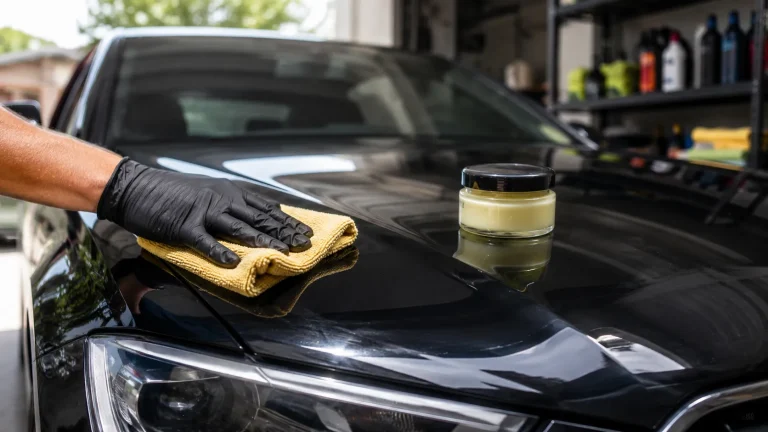
Applying ceramic coating is not hard, but it does require careful prep. Clean paint helps the coating bond better.
A poor prep job can reduce shine, shorten coating life, and leave streaks or high spots.
Use a safe car shampoo to remove loose dirt, dust, and road film from the paint.
Use a clay bar or clay mitt to remove bonded dirt that normal washing does not remove.
If the paint has swirls or haze, polish it before coating. Ceramic coating will not hide bad paint.
Panel prep removes oils and residue so the coating can bond better to the clear coat.
Apply in small sections and follow the product directions for flash time, wipe-off time, and curing.
Why Ceramic Coating Matters for Car Owners
Car ownership is easier when your vehicle is easier to clean. That is where ceramic coating helps most.
If your car sits outside, drives through rain, collects dust, or sees long highway trips, the paint gets dirty fast.
Ceramic coating can reduce how hard that dirt sticks. It can also help your paint keep a clean, glossy look with less effort.
For garage tools and prep gear, our tools and garage gear guide can help you build a better setup.
On long drives, ceramic-coated paint usually cleans up faster after bugs, dust, and rain. It does not stop the mess, but it can make cleanup much easier.
Ceramic Coating Pros and Cons
Ceramic coating has real benefits, but it also has limits. Here is the simple version.
- Makes paint easier to wash
- Adds a deep glossy finish
- Helps water bead and roll away
- Lasts longer than many waxes
- Helps protect against sun and road grime
- Does not stop rock chips
- Does not fix scratches
- Needs careful paint prep
- Can streak if applied poorly
- Still needs regular washing
What Ceramic Coating Does Not Do
This is important. Ceramic coating is not a force field.
It does not prevent dents. It does not stop rock chips. It does not make the car scratch-proof. It does not mean you can stop washing your car.
If you want impact protection from road debris, paint protection film is usually the stronger choice for high-impact areas like the hood, bumper, and mirror caps.
Where Can Ceramic Coating Be Used?
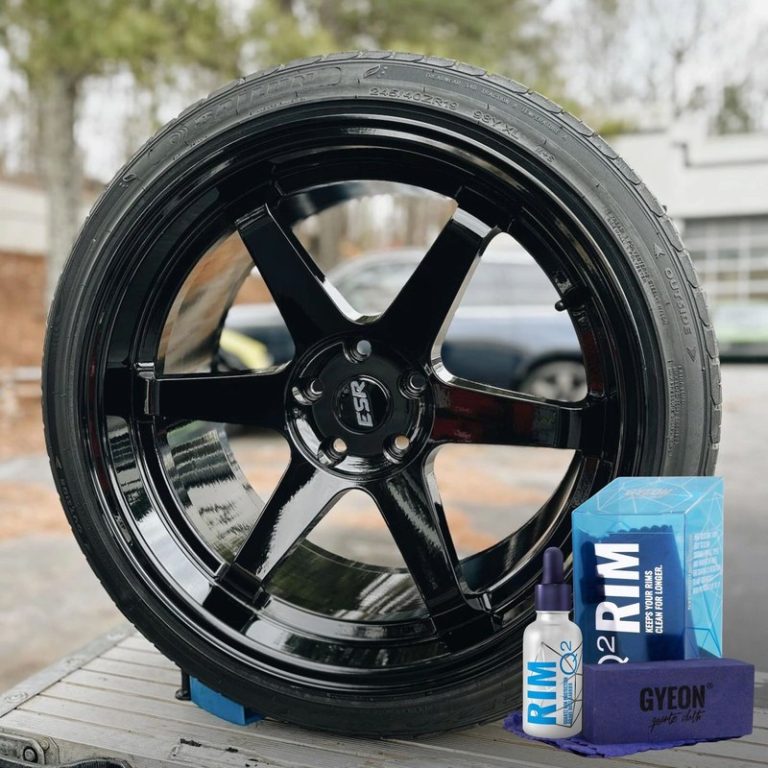
Ceramic coating is most often used on paint. But some coatings are made for glass, wheels, trim, and paint protection film.
Do not use one product on every surface unless the label says it is safe. Some coatings are surface-specific.
Always check the product label before applying ceramic coating to matte paint, vinyl wrap, plastic trim, glass, wheels, or paint protection film. The wrong product can leave streaks or uneven finish.
How Much Does Ceramic Coating Cost?
The cost depends on the coating type, vehicle size, paint condition, and whether you choose DIY or professional service.
A ceramic spray is usually the cheapest. A full DIY ceramic coating kit costs more. A professional coating costs the most because it often includes paint correction and careful prep.
Install Tips for Ceramic Coating
Good installation starts with clean paint. The coating can only bond well if the surface is prepared correctly.
- Apply the coating indoors or in shade when possible.
- Do not apply it on hot paint.
- Work in small sections.
- Use clean microfiber towels only.
- Follow the flash time on the product label.
- Keep the car dry during the cure window.
Flash time is the short wait between applying ceramic coating and wiping it off. If you wait too long, the coating can leave high spots or streaks.
Do not apply ceramic coating over dirty, oily, oxidized, or heavily scratched paint. Poor prep can trap defects under the coating and make the finish look worse.
Strong water beading is a sign of a slick surface, but it is not the only thing that matters. Wash ease, gloss, and surface slickness are also important signs of coating performance.
Do’s and Don’ts After Ceramic Coating
After the coating cures, your wash routine still matters. Bad washing can reduce shine and create scratches.
- Use pH-neutral car shampoo.
- Wash with clean microfiber tools.
- Dry the car with a soft towel.
- Remove bird droppings quickly.
- Use coating-safe maintenance sprays.
- Do not use dish soap.
- Do not scrub dry dirt into the paint.
- Do not use dirty towels.
- Do not ignore the cure time.
- Do not expect zero maintenance.
Before You Buy Ceramic Coating
Before you buy a ceramic coating, think about your skill level, your paint condition, and how much maintenance you are willing to do.
- Check if your paint needs polishing first.
- Choose a coating that matches your skill level.
- Read the cure time before applying.
- Check if the product is safe for your paint type.
- Make sure you have clean microfiber towels.
- Decide between DIY and professional service.
- Plan a safe wash routine after application.
If you also want to improve your cabin setup, our interior accessories guide can help you choose useful gear for a cleaner, more comfortable car.
Ceramic Coating vs Wax vs Paint Sealant
Ceramic coating, wax, and paint sealant all protect paint. The difference is durability, slickness, and maintenance.
Wax is simple and affordable. Sealant often lasts longer than wax. Ceramic coating usually lasts longer and makes washing easier, but it needs better prep.
| Protection Type | What It Does | Typical Lifespan | Best For |
|---|---|---|---|
| Car wax | Adds shine and light protection | Weeks to a few months | Quick gloss on a budget |
| Paint sealant | Adds longer synthetic protection | Several months to about 1 year | Simple long-lasting protection |
| Ceramic spray | Adds slickness and water beading | 3 to 12 months | Easy maintenance |
| Ceramic coating | Adds strong gloss and paint protection | 1 to 5 years | Long-term car care |
Common Problems Ceramic Coating Helps With
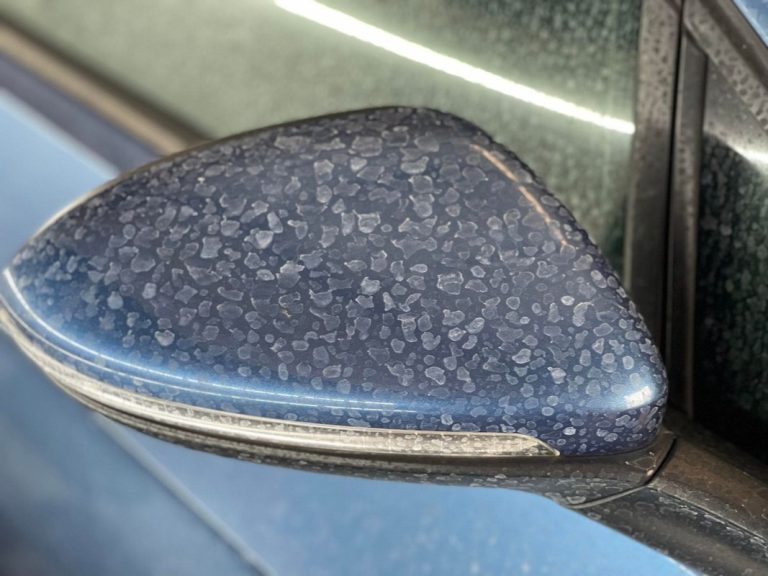
Ceramic coating does not solve every paint problem. But it can help with many common daily car care issues.
| Problem | How Ceramic Coating Helps | What You Still Need to Do |
|---|---|---|
| Water spots | Helps water roll off faster | Dry the car after washing |
| Road grime | Makes grime easier to wash away | Wash with safe shampoo |
| Bug splatter | Helps reduce how hard bugs stick | Clean bugs quickly |
| Sun exposure | Adds UV resistance to the surface | Park in shade when possible |
| Dull paint | Adds gloss after proper prep | Polish first if paint is damaged |
For broader maintenance basics, Consumer Reports car maintenance guidance can help car owners understand practical vehicle care.
For long-term ownership tips, Edmunds car maintenance resources are also useful.
For vehicle safety and recall information, NHTSA is a trusted source for car owners in the United States.
Final Verdict: What Does Ceramic Coating Do?
- Ceramic coating adds a slick protective layer over the paint.
- It helps water bead and makes washing easier.
- It boosts gloss and helps resist daily grime.
- It can protect against UV rays and light stains.
- It does not stop rock chips, dents, or deep scratches.
Ceramic coating helps protect your car paint, makes washing easier, improves gloss, and adds water-repelling performance. It is a smart upgrade for car owners who want easier maintenance and better paint protection, but it still needs proper prep, safe washing, and realistic expectations.
FAQ: What Does Ceramic Coating Do?
Ceramic coating adds a slick protective layer over the paint. It helps water bead, makes washing easier, adds gloss, and helps resist dirt, UV rays, and light stains.
Ceramic coating may add light scratch resistance, but it does not make paint scratch-proof. Bad washing and road debris can still scratch the paint.
Yes, ceramic coating can make paint look glossier and deeper, especially when the paint is cleaned and polished before application.
No, ceramic coating does not fully stop water spots. It helps water roll off, but you should still dry the car after washing or rain when possible.
For many car owners, yes. Ceramic coating usually lasts longer than wax and gives better water beading, but it needs better prep.
Yes, you should wash a ceramic-coated car regularly with pH-neutral shampoo and soft microfiber tools.
Yes, ceramic coating can be useful for daily cars because it helps reduce dirt buildup and makes regular washing easier.
Final Thoughts
So, what does ceramic coating do? It helps protect your car paint, adds gloss, repels water, and makes routine washing easier.
I would choose ceramic coating if I wanted a cleaner-looking car with less wash effort and better long-term paint protection. I would not choose it if I expected it to stop chips, dents, or deep scratches.
The best results come from clean paint, careful prep, correct application, and safe washing afterward.
Used the right way, ceramic coating is one of the most useful car care upgrades for everyday car owners.
3 Comments