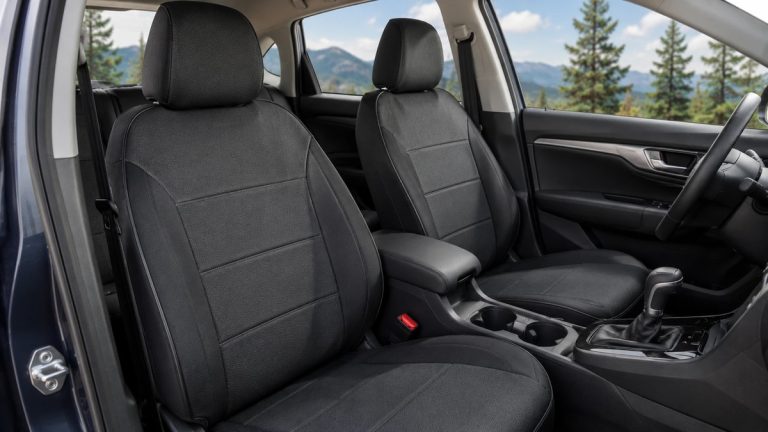
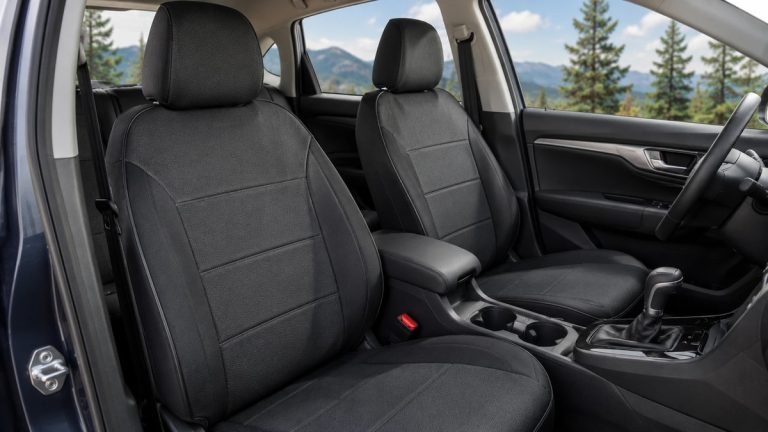
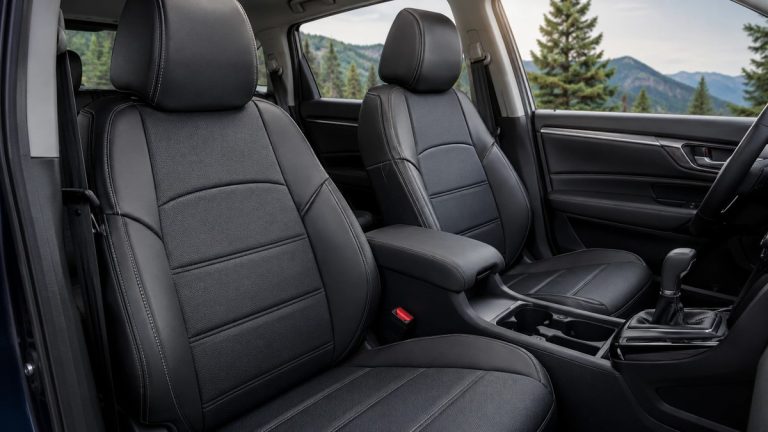
How to Stop Seat Covers from Sliding: Secure Fit Guide

Stop seat covers from sliding by choosing a cover with anti-slip backing and secure anchors, then installing it with full tension. Fit is the biggest factor: custom-fit covers hold far better than universal ones on contoured seats.
If you’re looking for a practical answer to how to stop seat covers from sliding, start with fit and retention rather than temporary fixes. Seat covers slide when they lack a snug shape, a gripping backing, or secure anchors, so the most reliable solution combines a vehicle-specific fit with anti-slip materials and proper installation.
- Fit first: Custom-fit covers hold far better than universal covers on contoured seats.
- Backing matters: Silicone or rubberized anti-slip backing grips leather and vinyl surfaces.
- Anchor everything: Use every strap, clip, and hook; loose installation causes most sliding.
- Maintain tension: Re-tighten straps after the first few days and after washing.
- Avoid adhesives: Double-sided tape can damage factory upholstery and won’t fix a poor fit.
Direct Answer: What to Know About How to Stop Seat Covers from Sliding
Sliding seat covers are rarely a sign that the cover is broken. In most cases, the problem comes down to three things: the cover doesn’t match the seat contour, the backing has little grip on the factory upholstery, or the cover was never fully anchored. Fixing the issue means addressing whichever of those is true for your setup.
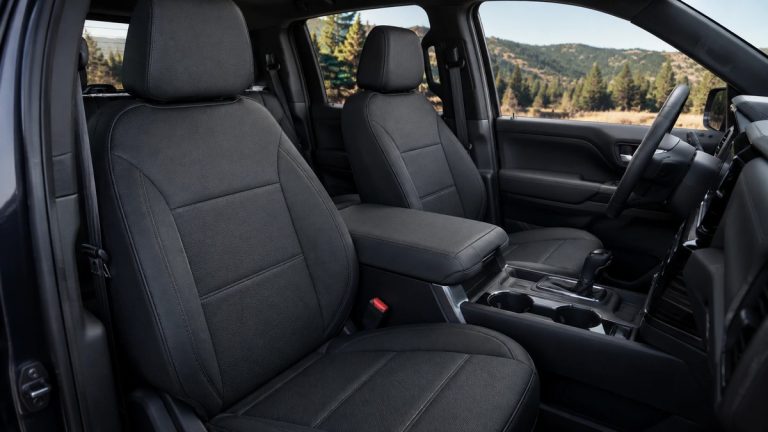
The most dependable approach is to start with a custom-fit or semi-custom cover designed for your vehicle’s seat shape. These covers use tension, elastic hems, and multiple anchor points to hold position. Anti-slip backing materials such as silicone, rubberized dots, or non-slip mesh add grip against leather and vinyl seats, which are the most slippery surfaces. Universal covers, by contrast, rely on generic elastic and often lack enough contact area to stay put.
Re-tension your seat covers a few days after installation. New covers stretch slightly as the fabric settles, and a quick re-adjustment of the straps and hooks prevents the loose feel that leads to sliding.
If you already own sliding covers, you have three realistic paths: install them more aggressively using every strap and clip, add an anti-slip layer between the cover and the seat, or replace them with a better-fitting product. The right choice depends on the cover’s quality and how much movement you’re willing to tolerate.
Fit, Compatibility, and Who It Suits
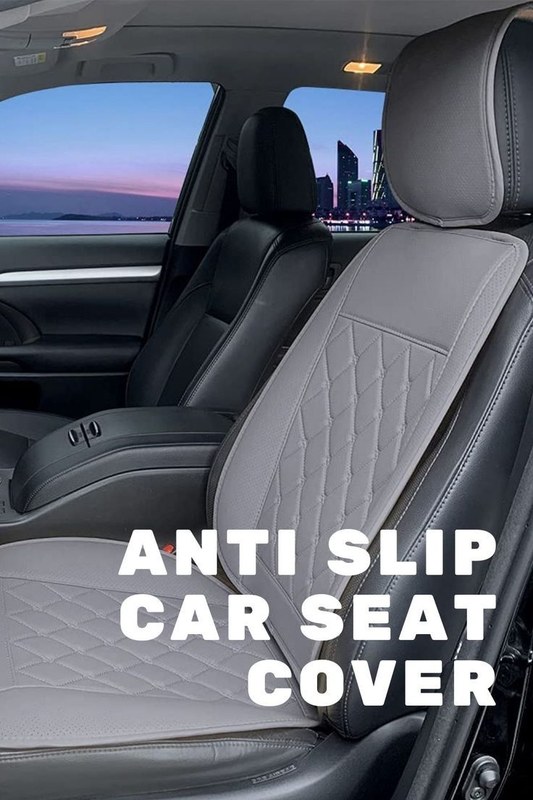
Fit is the single biggest factor in whether a seat cover stays in place. A custom-fit cover is patterned to match a specific make, model, year, and trim, which means it follows the contours of the seat, including the bolsters and headrest. A semi-custom cover uses a generic shape with adjustable straps and works best on simpler, flatter seats. A universal cover is the most likely to slide because it has to accommodate dozens of different seat designs.
Drivers who benefit most from a secure-fit setup include:
- People with leather or vinyl seats, where smooth surfaces reduce natural grip.
- Drivers who slide across the seat when getting in and out, which gradually shifts the cover.
- Households with kids or pets, where constant movement and entry-exit loosen covers faster.
- Truck and SUV owners with bench or split-folding rear seats that need extra anchoring.
Verify your vehicle’s make, model, year, and trim before ordering. Check how the cover interacts with side airbags, seat belt buckles, heated or ventilated seats, power seat controls, and folding or sliding seat sections. A cover that fits the seat but blocks a control or airbag is not a safe solution.
If you’re choosing between options, a custom-fit versus universal seat cover comparison is worth reading before you buy. The short version: custom-fit covers cost more but hold their position far better, while universal covers are cheap and easy but rarely stay put on contoured seats.
Materials, Construction, and Key Features
Anti-slip performance comes from several design features working together:
- Anti-slip backing: Silicone or rubberized coatings on the underside create friction against the factory seat. Non-slip mesh is a common backing material on mid-range covers.
- Elastic hems and edges: A tight elastic edge wraps around the seat bottom and backrest, holding the cover in tension.
- Anchor straps and hooks: Straps that connect under the seat, around the headrest posts, or through the seat-back gap keep the cover from creeping forward.
- Plastic retaining clips: Clips that grip the seat’s lower edge or the gap between seat sections provide additional hold.
- Hog rings or zip ties: On some covers, these are used to secure the cover to the seat frame, though they require more effort to install.
The cover’s outer material also matters. Neoprene and canvas-style fabrics have natural grip and resist shifting, while slick leatherette or faux leather covers can slide against clothing and smooth seat surfaces if the backing is weak. A cover with good backing but a slippery face may still shift as passengers slide against it.
Installation, Application, and Everyday Use
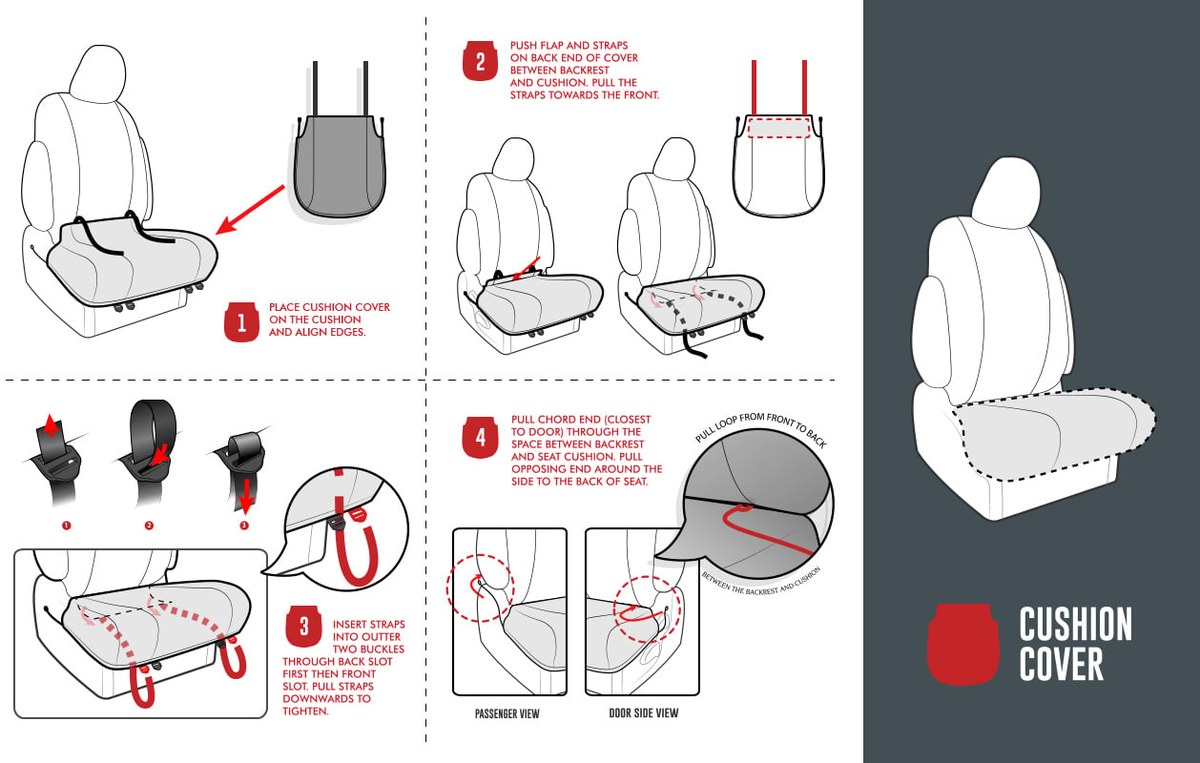
Even a well-made cover will slide if it isn’t installed with full tension. Many sliding complaints trace back to skipped anchors or a cover that was simply draped over the seat. Take the time to secure every attachment point.
Check the cover’s compatibility with your vehicle and review the manufacturer’s installation guide. Gather all straps, clips, and hooks before starting.
Clean the factory seat surface and remove loose debris. Keep side airbags, seat belt buckles, controls, sensors, and moving parts unobstructed.
Pull the cover snug over the seat, attach every strap and clip, tuck excess material into seat seams, and test seat adjustments before normal use.
If you’re installing a leather-style cover, the process is similar but requires extra care to avoid creases. A step-by-step guide on how to install leather seat covers covers the details, including how to pull the material evenly and where to tuck it.
After installation, sit in the seat and slide around intentionally. If the cover moves more than a fraction of an inch, re-check the anchors. A cover that shifts during normal use was either installed loosely or is the wrong shape for the seat.
Never let a seat cover block a side airbag, cover a seat belt buckle, or interfere with seat controls and sensors. If your vehicle has side airbags, confirm the cover is designed for airbag deployment and follow the manufacturer’s fitment instructions.
Cleaning, Care, and Long-Term Maintenance
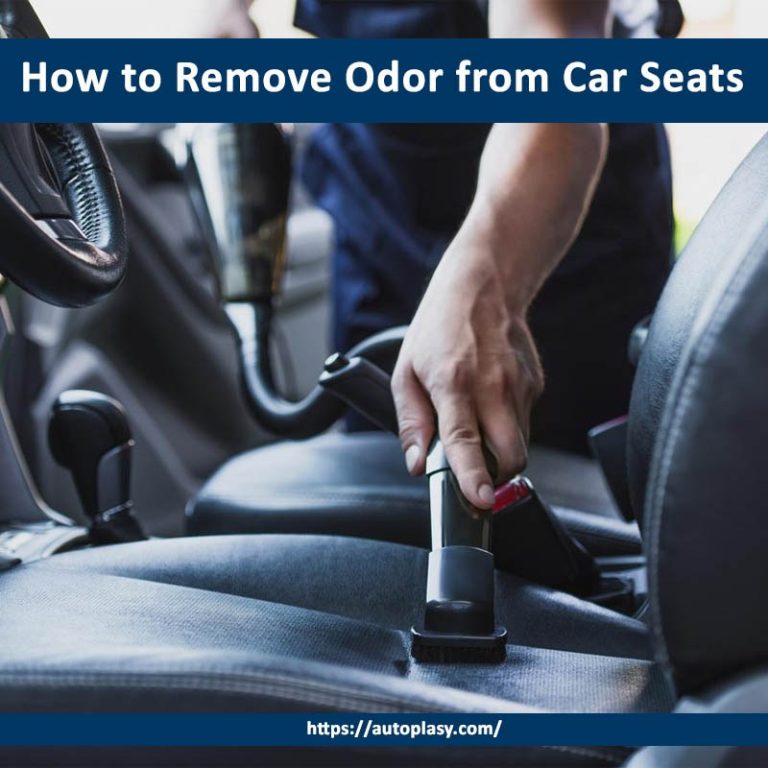
Anti-slip backing gradually loses effectiveness if it isn’t cared for properly. Machine washing can strip silicone or rubberized coatings, especially with hot water and harsh detergents. Check the care label before washing, and air-dry covers whenever possible because high heat can warp backing materials and shrink elastic.
Over time, straps stretch, clips loosen, and elastic loses tension. Inspect the anchors every few months and re-tighten or replace worn parts. This is also a good time to check the cover’s overall condition. A guide on how long custom seat covers usually last explains what to expect from different materials and how to extend their lifespan.
If the backing has worn smooth, you can add a non-slip pad or mesh layer between the cover and the seat. These are inexpensive and easy to replace, and they restore grip without requiring a new cover.
Important Limitations and Common Mistakes
Some DIY fixes cause more problems than they solve. Double-sided tape and adhesive sprays can leave sticky residue on leather and vinyl, and some adhesives can damage the factory upholstery. Avoid any method that requires sticking something directly to the seat surface.
Another common mistake is ignoring the seat belt buckle. A cover that wraps around the buckle area can make it hard to click the belt, which is a safety issue. Similarly, covering side airbag seams with a non-compatible cover can interfere with deployment. If your vehicle has side airbags, check the cover’s airbag compatibility before installing it — the airbag-compatible seat covers guide covers what to look for.
- Use every strap, clip, and anchor included with the cover
- Verify airbag, seat belt, and control compatibility before install
- Re-tension covers after the first few days of use
- Air-dry covers after washing to protect the anti-slip backing
- Use double-sided tape or adhesive sprays on factory upholstery
- Block side airbags, seat belt buckles, or seat controls
- Ignore worn straps, clips, or elastic hems
- Assume a universal cover will stay put on contoured seats
Value, Alternatives, and What to Verify
Fixing a sliding seat cover can cost anywhere from a few dollars for a non-slip pad to several hundred for a quality custom-fit set. The right investment depends on the value of your vehicle and how much the sliding bothers you. A non-slip pad can extend the life of a decent cover, while a universal cover that slides constantly is money wasted.
If your current covers are cheap and poorly fitted, replacement is often the better value. Custom-fit covers cost more upfront but solve the root cause, and they typically last longer. Reupholstery is the most expensive alternative and only makes sense if the factory seats themselves are worn out.
Before buying anything, verify:
- Your vehicle’s make, model, year, and trim
- Whether the cover is compatible with side airbags and seat belt buckles
- Whether the cover works with heated or ventilated seats
- What anchoring system the cover uses and whether it matches your seat design
- The care instructions and warranty terms
| Solution | Best For | Key Consideration |
|---|---|---|
| Custom-fit cover | Long-term fix on contoured seats | Higher cost, best retention |
| Semi-custom cover | Flatter seats with adjustable straps | Requires careful installation |
| Universal cover + non-slip pad | Budget fix for existing covers | Pad may need periodic replacement |
| Reupholstery | Worn factory seats needing refresh | Most expensive option |
Final Recommendation
If you want to stop seat covers from sliding for good, prioritize fit over price. A custom-fit or semi-custom cover with anti-slip backing and full anchoring will hold its position far better than any universal cover, regardless of how many pads you add underneath. Pair that with a careful installation that uses every strap and clip, and re-tension the cover after the first few days.
- Best use case: Drivers with contoured seats, leather upholstery, or frequent passenger movement who are tired of re-adjusting covers.
- Main strength: A secure fit solves the root cause instead of masking it.
- Main limitation: Quality custom-fit covers cost more and require more installation effort.
- Next verification step: Confirm your vehicle’s exact fitment and airbag compatibility before ordering.