Water Spots on Ceramic Coating: How to Remove Them Safely
water spots on ceramic coating is easiest to judge by fit, material, installation or application needs, care requirements, compatibility, and value for your vehicle.
Water spots on ceramic coating are one of the most common paint complaints we hear from car owners, but the short version is this: they are almost always removable without stripping the coating. Whether you are dealing with light mineral haze or stubborn etched rings, the right products and technique can restore that slick, glossy finish safely.
- Confirm fit: Check vehicle, trim, dimensions, surfaces, and safety-system compatibility.
- Check materials: Match construction or chemicals to the intended seat, floor, trim, paint, glass, or device.
- Plan setup: Follow manufacturer instructions and keep airbags, controls, sensors, vents, pedals, and moving parts clear.
- Plan upkeep: Compare cleaning, maintenance, durability, warranty, and replacement needs.
What Causes Water Spots on Ceramic Coating — and Are They a Sign of Failure?
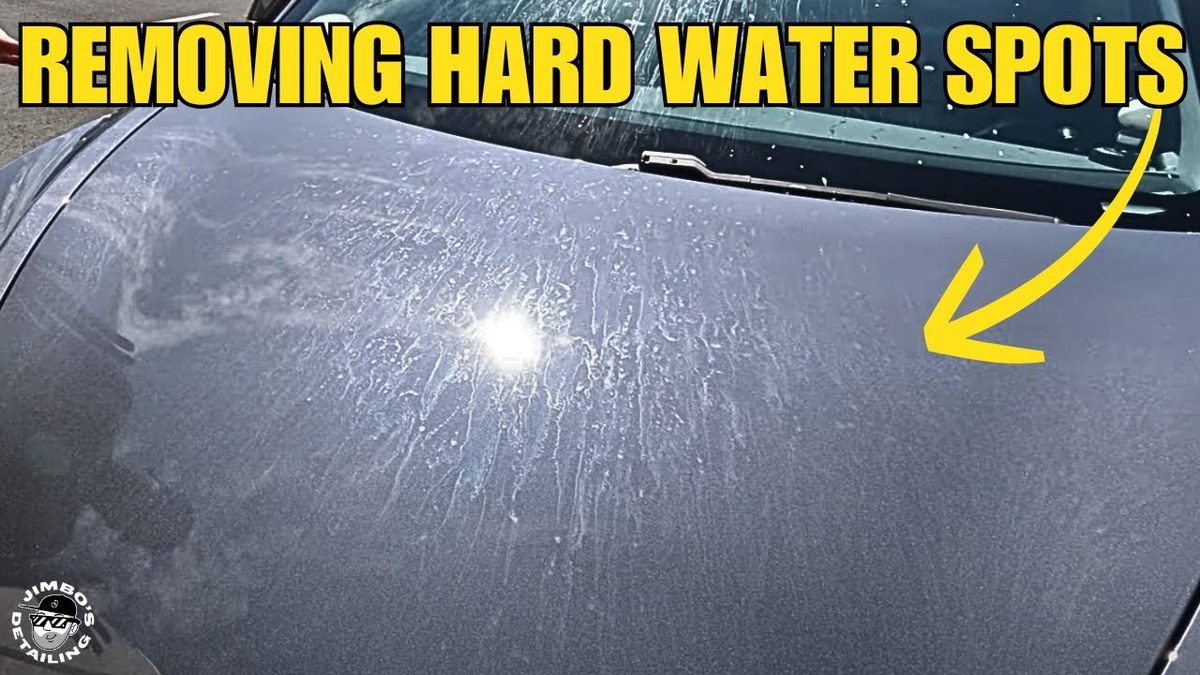
Water spots form when water evaporates and leaves behind dissolved minerals like calcium, magnesium, and iron. Rainwater, hard tap water, sprinkler overspray, and even automated car washes with unfiltered water can all leave these deposits on your paint.
On a coated surface, the ceramic layer does not cause water spots — it actually makes them easier to remove in most cases. The hydrophobic properties of ceramic coating cause water to bead up and roll off, but if those beads sit too long in direct sunlight, the water evaporates and leaves minerals behind. The result is a ring-shaped spot or a cloudy film that sits on top of the coating.
Here is the key point: water spots are not a sign that your ceramic coating has failed. The coating is still bonded to your clear coat and still providing protection. The spots are simply contamination sitting on top of the coating’s surface. In most cases, the coating underneath is completely fine.
That said, there is a difference between surface-level water spots and etched water spots. Surface spots are mineral deposits sitting on the coating and can usually be removed with a dedicated water spot remover. Etched spots have actually attacked the coating or clear coat and may require light polishing — which we will cover in a moment.
Hard water contains more dissolved calcium and magnesium than soft water, which is why cars parked near sprinkler systems or washed with unfiltered well water tend to develop water spots faster.
The Short Answer: Yes, You Can Remove Water Spots Without Damaging the Coating
In the vast majority of cases, water spots on ceramic coating can be removed safely at home with the right products and a little patience. You do not need to strip the coating, polish the entire panel, or pay for a professional detail just yet.
The key is to start with the least aggressive method first and only move to stronger chemical or mechanical options if needed. Most light to moderate water spots will dissolve with a dedicated water spot remover and a soft microfiber towel. Heavily etched spots may require a gentle hand polish, but that is still well within reach of a careful DIYer.
What You’ll Need for Safe Water Spot Removal
Before you start, gather the right supplies. Using the wrong tools — like a gritty polish or a stiff brush — can scratch the coating or leave swirl marks. Here is what you need for a safe, effective water spot removal session.
If you do not have a dedicated water spot remover, a diluted mix of distilled white vinegar and water can work as an emergency option for light mineral deposits. However, a proper water spot remover is formulated to dissolve minerals without stripping your ceramic coating, so it is worth the investment if you deal with hard water regularly.
Always check the label on any water spot remover to confirm it is safe for ceramic coatings. Some aggressive mineral removers are designed for bare paint or glass and may weaken or strip your coating.
Step-by-Step: How to Remove Water Spots from Ceramic Coating
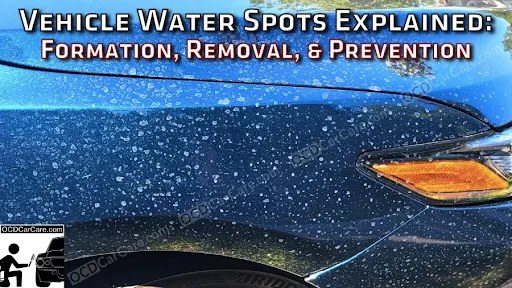
Follow these steps in order. Do not skip the pre-rinse and wash — if you try to remove water spots from a dirty surface, you will just grind dirt into the coating and create more scratches.
Step 1: Pre-Rinse and pH-Neutral Wash
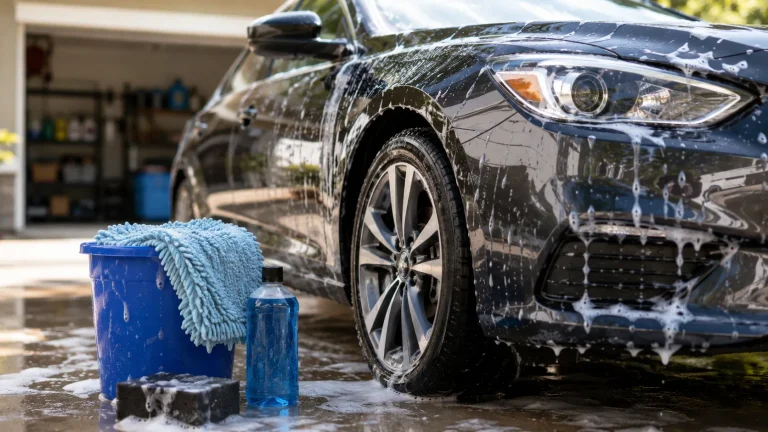
Start by rinsing the car thoroughly with a pressure washer or a strong stream of water to remove loose dirt and debris. Then, wash the entire panel with a pH-neutral car wash soap and a microfiber wash mitt. This step is critical because it removes the top layer of grime so you are not pushing contaminants into the coating while working on water spots.
Rinse the soap off with clean water and dry the surface enough that it is not dripping wet. You want the surface clean but still slightly damp before applying the water spot remover. If you need a refresher on the proper technique, our guide on how to wash a car with ceramic coating covers the full process in detail.
Step 2: Apply a Dedicated Water Spot Remover (Respect Dwell Time)
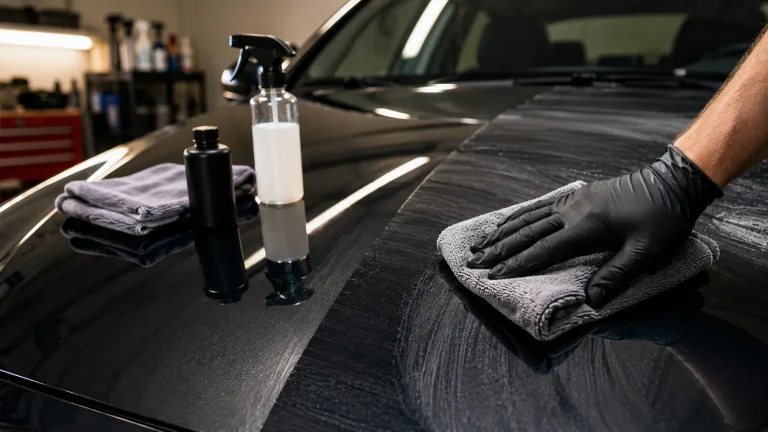
Apply the water spot remover to a microfiber applicator pad or a soft microfiber towel. Work on one small section at a time — roughly a two-foot by two-foot area. Gently spread the product over the affected area using light to medium pressure in a back-and-forth or circular motion.
Most water spot removers need a dwell time of one to three minutes to break down the mineral deposits. Do not let the product dry on the surface. If you see it starting to dry, mist the area with a little water or apply more product. After the dwell time, wipe the area with a clean, dry microfiber towel.
Work in the shade and on a cool surface. Heat from direct sunlight can cause water spot removers to flash-dry, which makes them harder to remove and can leave residue behind.
Step 3: Rinse with Deionized or Filtered Water
Once you have removed the water spots, rinse the area thoroughly. If you have access to deionized water or a filtered water system, use it for the final rinse. This helps remove any remaining mineral residue from the water spot remover and prevents new spots from forming as the water dries.
If you do not have deionized water, use the cleanest water you have and dry the surface quickly. The goal is to avoid leaving fresh mineral deposits behind right after you just removed the old ones.
Step 4: Dry with a Microfiber Towel or Air Blower
Dry the surface using a clean, plush microfiber drying towel or an air blower. Pat or blot the surface rather than dragging the towel across the paint. An air blower is the best option because it pushes water out of crevices and emblems without touching the paint at all.
Once the surface is dry, inspect it under good lighting. If you still see faint spots, the minerals may have etched into the coating. In that case, you may need a light hand polish or a slightly more aggressive water spot remover. If the spots are gone, finish by applying a ceramic-safe spray sealant or your regular maintenance product to restore the slick feel. For a deeper look at safe maintenance washes, check out our ceramic coating car wash guide.
Never Do This: Products and Techniques That Ruin Ceramic Coatings
Not all water spot removal methods are safe for ceramic coatings. Some products and techniques can strip the coating, scratch the paint, or leave behind residue that is harder to fix than the original spots. Here is what to avoid.
- Use pH-neutral soaps and dedicated water spot removers
- Work in the shade on a cool surface
- Test any new product on a hidden panel first
- Use light pressure and clean microfiber towels
- Use acidic wheel cleaners or heavy-duty mineral removers
- Scrub with stiff brushes, scouring pads, or abrasive pads
- Use a clay bar without lubricant on a coated surface
- Polish aggressively unless you are prepared to reapply the coating
One of the most common mistakes we see is using a clay bar on a ceramic-coated car without proper lubrication. While clay bars are great for removing bonded contaminants, they can also strip or mar the ceramic coating if used incorrectly. If you need to clay, use a clay mitt or a fine-grade clay bar with plenty of lubricant and very light pressure.
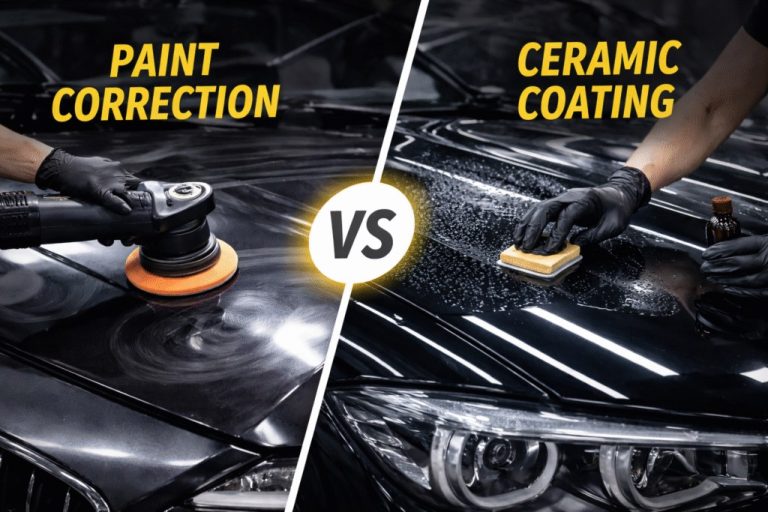
Another mistake is reaching for a machine polisher right away. A rotary polisher with a cutting pad will absolutely remove water spots — but it will also remove a layer of your ceramic coating and possibly your clear coat. Only use a machine polisher if you are comfortable with paint correction and are prepared to reapply the coating afterward.
How to Keep Water Spots from Coming Back (Preventive Maintenance)
The best way to deal with water spots on ceramic coating is to prevent them from forming in the first place. Since ceramic coatings are hydrophobic, water beads up and rolls off easily — but that also means the beads act like tiny magnifying glasses in the sun, intensifying heat and evaporating quickly. Here is how to stay ahead of the problem.
First, dry your car after every wash. Do not let it air dry. Use a dedicated drying towel, an air blower, or a waterless wash product to remove water before it has a chance to evaporate and leave minerals behind.
Second, use a ceramic-specific maintenance spray or a silica-based spray sealant after washing. These products add a sacrificial layer on top of your coating, so water spots and contaminants hit the spray sealant instead of the ceramic coating. They also boost gloss and hydrophobics between washes.
Third, park smart. If you can, avoid parking under trees, near sprinklers, or in areas with hard water runoff. Sprinkler overspray is one of the worst culprits because it constantly deposits minerals on the paint and bakes them in with the sun.
Finally, consider a water softener or a deionized water system for your home. If you wash your car at home with hard tap water, you are fighting an uphill battle. A portable DI water filter or a simple RV-style water softener can make a huge difference in preventing spots. And to understand how long your protection will realistically last, check out our guide on how long ceramic coating lasts.
DIY vs. Professional Removal: When to Call a Pro
Most light to moderate water spots can be handled at home with the steps above. If you are comfortable washing and drying your own car, you can almost certainly handle a water spot remover and a microfiber towel. The process takes about 30 to 60 minutes depending on how many panels are affected.
However, there are situations where it makes sense to call a professional detailer. If the water spots have etched into the coating or clear coat and a hand polish does not help, a professional will have the tools and experience to safely machine polish the affected panels and reapply the coating if needed.
You should also consider a professional if you are dealing with severe water spotting across large areas of the car, if the car is parked outdoors and the spots have baked in for weeks, or if you simply do not have the time or confidence to do the job right. A professional detailer can also apply a fresh layer of ceramic coating if the current one is too far gone.
- Costs less — just the price of a water spot remover
- Good for light to moderate spots
- You control the process and learn more about your car
- Best for etched or severe spots
- Professional-grade tools and products
- Can include coating reapplication or repair
Before you book a professional, ask what their process includes. A good detailer will inspect the coating, determine whether the spots are surface-level or etched, and recommend the least aggressive method to remove them. They should also be transparent about whether a coating reapplication is necessary after polishing. If you are still deciding whether the investment makes sense for your car, read our honest take on is ceramic coating worth it.
The Bottom Line: Safe Water Spot Removal and Long-Term Coating Care
Water spots on ceramic coating are frustrating, but they are rarely a sign of a failing product. In most cases, they are simply mineral deposits sitting on top of the coating, and they can be removed safely with the right technique and a little patience.
Start with a pH-neutral wash, then use a dedicated water spot remover on a clean microfiber towel. Rinse with deionized or filtered water when possible, and dry the car thoroughly. Avoid abrasive tools, harsh acids, and aggressive machine polishing unless you are prepared to reapply the coating.
Prevention is always better than cure. Dry your car after every wash, use a ceramic-safe spray sealant as a sacrificial layer, and park away from sprinklers and hard water runoff. These small habits will keep your coating looking great and dramatically reduce the chances of water spots coming back.
If the spots have already etched into the coating or you are dealing with a large area of severe spotting, do not hesitate to call a professional. A skilled detailer can restore the finish and, if necessary, reapply the coating so your paint stays protected for years to come.
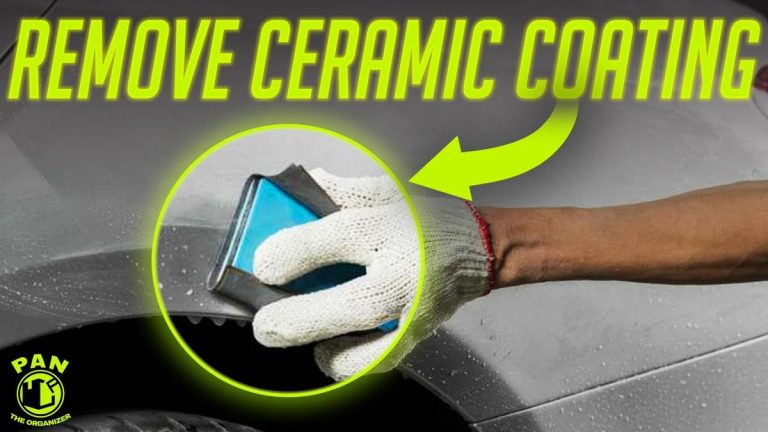
For more ceramic coating care guides, check out our articles on how to remove ceramic coating if you ever decide to start fresh, along with our other resources on washing and maintaining coated paint.