
Custom Fit vs Semi Custom Seat Covers: Key Differences Explained

Custom-fit and semi-custom seat covers both protect your seats, but they serve different needs. Custom covers match your vehicle’s exact seat shape, features, and controls. Semi-custom covers fit a wider range of vehicles and offer a practical balance between coverage, cost, and convenience.
Choose custom-fit covers for the most precise fit and finished look; choose semi-custom covers for faster installation and lower cost. We’ll compare their fit, materials, protection, maintenance, and value so you can choose the right option for your vehicle and daily use.
Key Takeaways
- Custom covers provide the closest fit and strongest visual match.
- Semi-custom covers offer flexible protection at a lower price.
- Vehicle features, use, and budget should guide your choice.
Fit, Coverage, And Construction
Custom-fit covers follow the exact shape and features of a specific seat. Semi-custom covers use broader measurements and flexible panels to fit several similar seat designs, so their coverage and finish can vary.
How Custom-Fit Patterns Are Made
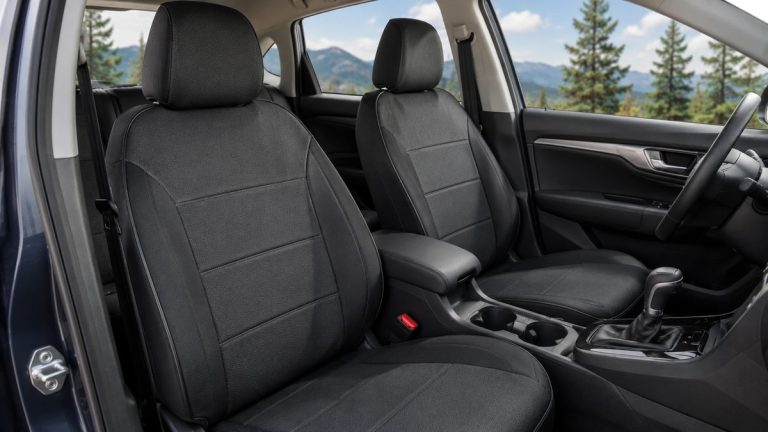
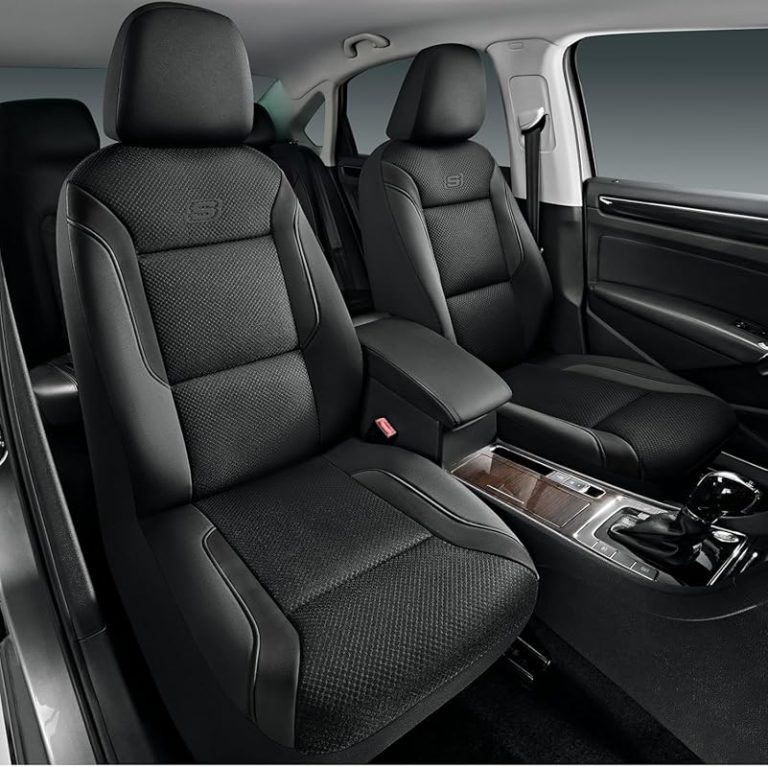
We create custom-fit patterns from the seat’s exact dimensions, contours, and movable parts. The pattern accounts for the seat base, backrest, headrest, armrests, console sections, and split-fold features. It also includes openings for seat belts, controls, levers, and airbags when the vehicle requires them.
Manufacturers may use vehicle measurements, physical templates, or digital scans. They then cut and sew separate panels to match the seat instead of relying on one loose cover. This construction helps the cover stay in place and reduces bunching during normal use.
Custom covers also support precise coverage around seams and edges. We still need to confirm the vehicle’s year, trim, seat style, and airbag layout before ordering because small design changes can affect fit and safety.
How Semi-Custom Designs Accommodate Seat Shapes
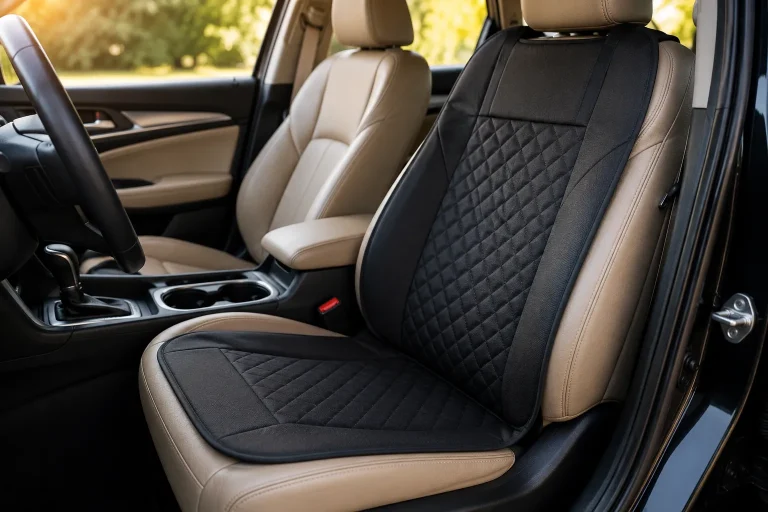
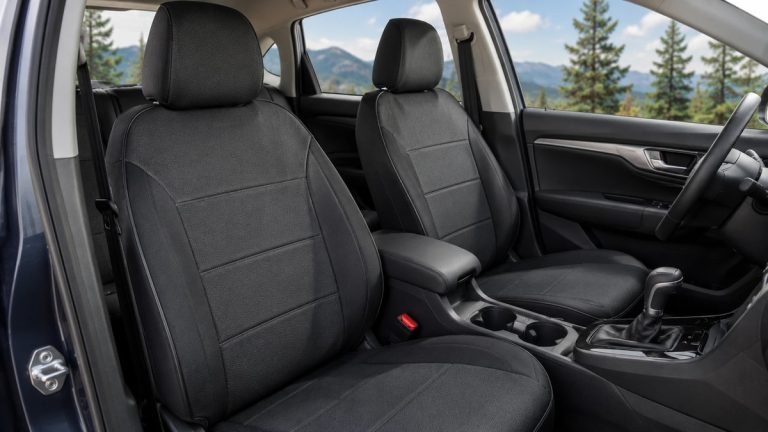
Semi-custom covers use measurements from a group of seats with similar widths, heights, and contours. Their panels may include stretch fabric, adjustable straps, hook-and-loop sections, or elastic edges. These features let one design fit several vehicle models without matching every curve.
The result usually provides better coverage than a universal cover, but it may leave small gaps or create extra fabric around bolsters, consoles, or folding sections. Fit can also change between cloth and leather seats because those surfaces have different shapes and levels of friction.
We should check the product’s fit list and measure our seats before buying. A semi-custom design works best when our seat dimensions and features closely match the manufacturer’s listed range.
Materials, Features, And Appearance
Material choice affects comfort, cleaning, heat retention, and long-term wear. Fit also determines whether important features, such as seat controls, seat belts, and side airbags, remain usable after installation.
Fabric And Leatherette Options
We can choose from several materials, each with clear benefits and limits:
- Polyester fabric: Affordable, breathable, and easy to machine-wash in many designs. It may absorb spills and show wear sooner than heavier materials.
- Neoprene: Water-resistant and comfortable, making it useful for outdoor use, pets, and frequent spills. It can feel warm in direct sunlight.
- Canvas: Thick and durable, with strong resistance to abrasion. Its firm texture may feel less comfortable on long drives.
- Leatherette: Gives seats a smooth, leather-like appearance and wipes clean easily. It can become hot in summer and cold in winter.
- Leather: Offers a premium appearance and natural durability but costs more and needs regular cleaning and conditioning.
Custom-fit covers usually provide cleaner seams, tighter edges, and openings matched to the seat design. Semi-custom covers offer fewer material and color choices, but they can still improve appearance and protect the original upholstery.
Access To Seat Controls, Airbags, And Seat Belts
We should confirm that covers match every seat feature before buying. A proper pattern should leave openings for headrest posts, armrests, seat controls, seat belts, and folding mechanisms. Covers that block these parts can limit adjustment or make daily use difficult.
Side airbags require special attention. Many vehicles place airbags inside the outer seatback. We should use covers designed and tested for seats with side airbags, with approved tear seams in the correct location. We should never cut these seams ourselves or install a cover that hides an airbag label.
Custom-fit covers usually provide the most precise access because they match the vehicle’s seat shape and equipment. Semi-custom covers may work well when their listing identifies the exact seat style, but we should verify compatibility with power controls, heated seats, removable headrests, and split-folding rear seats before ordering.
Protection And Everyday Performance
We need seat covers that block spills, resist daily wear, and stay in place without affecting seat functions. Custom-fit covers offer more precise coverage, while semi-custom covers provide useful protection with a simpler fit and lower cost.
Spill, Stain, And Wear Resistance
Both options can protect the original upholstery from food, drinks, dirt, and friction. We should check the fabric’s water resistance, seam construction, and cleaning instructions instead of judging quality by fit alone.
Custom-fit covers usually cover the seat cushion, backrest, headrest, and side areas more precisely. This reduces exposed gaps where liquid and dirt can reach the upholstery. Materials such as coated polyester, neoprene, and treated canvas can handle frequent use, but no cover should be considered fully waterproof unless the maker states this clearly.
Semi-custom covers often leave more room around seat edges and controls. They still protect high-contact areas, but spills may reach the original fabric through loose sections or openings. We should choose machine-washable materials for family vehicles, work trucks, and vehicles that carry pets or outdoor gear.
Stability During Daily Use
A stable cover should remain flat when we enter, exit, adjust the seat, or place weight on it. Custom-fit covers usually match the seat shape more closely, so they tend to shift and bunch less than universal-style designs.
Semi-custom covers rely more on straps, hooks, elastic edges, and openings designed to fit several seat shapes. Proper installation matters: we should secure every strap, tuck the material beneath the seat where instructed, and confirm that it does not block seat-belt buckles or seat controls.
We also need to check side-airbag compatibility. Covers must include approved seams or openings for seats with built-in airbags. Neither a close fit nor a low price makes a cover safe if it interferes with deployment.
Installation, Removal, And Maintenance
Custom-fit covers usually require more careful installation because they match specific seat shapes and features. Semi-custom covers install faster, but they may need more adjustment to prevent loose areas, wrinkles, or shifting.
Installation Time And Complexity
We should identify the seat layout before installation. Check for headrests, armrests, seat controls, folding functions, and side airbags. Covers designed for the exact vehicle should preserve access to these features, but we still need to follow the manufacturer’s instructions.
Custom-fit covers often take more time because each piece matches a particular seat section. We may need to remove headrests, feed straps through narrow gaps, and secure hooks or fasteners beneath the seat. A complete installation can take several hours, especially for a full interior.
Semi-custom covers usually use adjustable straps, elastic edges, or hook-and-loop fasteners. We can often install them without removing the seats, but careful adjustment matters. We should keep straps away from seat tracks, wiring, and moving parts. Never cover or block a seat-mounted airbag.
Removal follows the same steps in reverse. We should label pieces if we plan to reinstall them later and avoid pulling on seams or electrical wires.
Cleaning And Care Requirements
We should check the care label before using any cleaner. Many fabric covers need regular vacuuming and spot cleaning with mild soap and water. We should test the cleaner on a hidden area first, then let the cover dry fully before using the vehicle.
Leather, vinyl, and synthetic materials may need a cleaner made for that surface. We should avoid bleach, harsh solvents, rough brushes, and soaking, since these can damage coatings, stitching, or foam backing. Removable covers should be washed only if the manufacturer allows machine washing.
Semi-custom covers may develop loose areas as they shift during use. We should remove them periodically to clean the seats underneath and retighten the straps. Custom-fit covers usually stay in place better, but we still need to inspect seams, fasteners, and airbag openings. Fast removal helps when we need to access seat controls, repair wiring, or clean spills.
Cost, Value, And Buyer Considerations
We should compare the purchase price with fit, protection, installation time, and expected service life. Our choice should also reflect how often we use the vehicle and how much wear the seats face.
Price Differences
Semi-custom covers usually cost less than custom-fit covers. They use broader seat patterns that fit several vehicle models, which helps reduce manufacturing costs. Prices vary by fabric, seat size, brand, and features such as rear-seat access or console openings.
Custom-fit covers often cost more because they match the exact shape of each seat. They may include separate panels for headrests, armrests, split benches, and built-in controls. This detailed fit can improve appearance and reduce loose fabric, but it raises the purchase price.
| Cost factor | Semi-custom | Custom-fit |
|---|---|---|
| Upfront price | Lower | Higher |
| Fit accuracy | Good, but not exact | Vehicle-specific |
| Installation | Usually simpler | May take longer |
| Long-term value | Strong for moderate use | Strong for heavy or long-term use |
We should also check return policies, warranty coverage, and whether the price includes every row of seating.
Choosing Based On Vehicle Use And Budget
Semi-custom covers suit drivers who need added protection without a large expense. They work well for older vehicles, occasional use, pets, children, light work, or owners who may replace the vehicle soon. We should confirm that the covers leave seat-mounted airbags, belts, and adjustment controls clear.
Custom-fit covers make more sense when we plan to keep the vehicle for many years or use it daily. They provide a cleaner appearance and can protect high-use seats from spills, dirt, friction, and work-related wear. Their closer fit also reduces shifting and bunching during regular driving.
We should set a total budget that includes installation supplies and possible shipping costs. For a lightly used vehicle, semi-custom covers may provide enough value. For a newer vehicle or heavy daily use, paying more for a precise fit can reduce the need for early replacement.
Frequently asked questions
Are custom-fit seat covers better than semi-custom covers?
We usually recommend custom-fit covers when we want a close match to the seat’s shape, controls, headrests, and airbag locations. Semi-custom covers cost less and can provide good protection, but their fit may feel less precise.
How do semi-custom seat covers fit?
Semi-custom covers use patterns for a vehicle type, seat style, or group of similar models. They fit more closely than universal covers, but they may leave small gaps or lack exact openings for some features.
Will either type affect seat airbags?
We should choose covers designed for seats with side airbags and confirm compatibility with our exact vehicle. We must not cover or block an airbag deployment area with a product that lacks the proper design.
Which option lasts longer?
Durability depends on the fabric, stitching, use, and care. A well-made custom cover may stay in place better, while a quality semi-custom cover can still work well for moderate daily use.
Can we move the covers to another vehicle?
Custom-fit covers normally match one specific vehicle and seat layout. Semi-custom covers may fit several similar vehicles, but we should check the product’s compatibility before moving them.
Which type should we choose?
| Need | Better choice |
|---|---|
| Exact fit and factory-style appearance | Custom-fit |
| Lower cost and good basic protection | Semi-custom |
| Frequent use or long-term ownership | Custom-fit |
| Temporary or flexible use | Semi-custom |
Conclusion
We should choose custom-fit seat covers when precise fit, a clean appearance, and long-term use matter most. They match the seat’s shape and features, so they usually stay in place better than universal covers. We must confirm compatibility with side airbags, armrests, headrests, and power controls before buying.
Semi-custom covers offer a practical middle ground. They use common vehicle measurements and may cost less than fully custom covers, but their fit can vary between models. They work well when we want added protection without paying for a cover made from an exact seat pattern.
| Priority | Better choice |
|---|---|
| Exact fit and integrated look | Custom-fit |
| Lower cost with a closer fit than universal covers | Semi-custom |
| Quick, flexible installation | Universal |
We should compare the material, warranty, installation method, and safety features—not just the price. A well-made cover that fits correctly can provide better comfort and protection, while a poor fit may shift, bunch, or interfere with seat functions.
One Comment