Keep Car Floor Mats from Sliding: Simple Fixes That Work

Use hook-and-loop fasteners, non-slip rubber mesh, or the factory retention posts to lock the mat in place. Clean the carpet and mat backing first, then test the driver’s side for pedal clearance before every drive.
Learning how to keep car floor mats from sliding is one of the simplest interior fixes you can make, and most solutions take less than an hour. Whether your mat creeps toward the pedals during hard braking or bunches up under your heels, the fix usually comes down to better retention, a grippier backing, or a mat that actually fits your floorpan.
- Retention first: Engage the factory hooks, posts, or twist-in anchors before adding any aftermarket fix.
- Clean before you stick: Dust and grit weaken adhesive-backed fasteners and reduce backing friction.
- Fit beats grip: An exact-fit mat with retention holes stays put better than any universal mat with.
- Watch the pedals: A mat that overlaps the brake or accelerator is a safety hazard, not a.
- Maintain the backing: Regular cleaning restores friction and prevents odor from trapped moisture.
Why Floor Mats Slide and the Easiest Fix You Can Do Today
A floor mat slides for three basic reasons: its backing doesn’t grip the carpet, the vehicle’s retention hooks or posts are worn or unused, or the mat is the wrong shape for the floorpan. Universal mats are the most common offenders because they’re cut to fit many vehicles and rarely match the factory retention points.
Hook-and-Loop Fasteners: The 10-Minute Fix
The fastest fix is a hook-and-loop fastener kit designed for automotive carpet. The hook side presses onto the back of the mat, and the loop side sticks to the carpet. Once you press the mat down, the two sides lock together and keep the mat from creeping forward.
The key is cleaning both surfaces first. Carpet fibers hold dust and grit, which weakens the adhesive and reduces grip. Wipe the mat backing and vacuum the carpet, then press each fastener firmly and let the adhesive set before you drive. Most kits include several strips, so you can place them near the heel area and the front edge where sliding is worst.
Place the hook strips close to the mat’s front edge and the heel area, not just the center. Those are the high-movement zones, and fasteners there stop the creeping motion before it starts.
Non-Slip Rubber Mesh: The No-Fastener Alternative
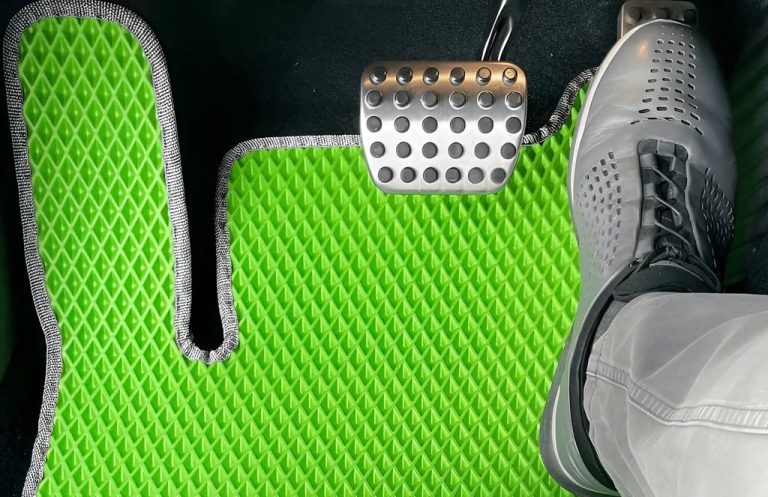
If you don’t want adhesive on your carpet, a non-slip rubber mesh pad sits between the carpet and the mat. The mesh’s open structure grips both surfaces and holds the mat in place without hooks, clips, or adhesive. It’s a good option for rental cars, leased vehicles, or anyone who doesn’t want anything permanent attached to the carpet.
The trade-off is maintenance. The mesh can shift slightly over weeks of use, and dirt tends to collect in its channels, so you’ll need to lift the mat, lift the mesh, and clean both occasionally.
- Hook-and-loop: strong hold, low profile, stays put until you remove it
- Rubber mesh: no adhesive, works with any mat, easy to remove
- Hook-and-loop: adhesive can weaken after repeated cleaning
- Rubber mesh: can shift over time and needs periodic cleaning
When Sliding Is Dangerous: Pedal Clearance and Safety Limitations
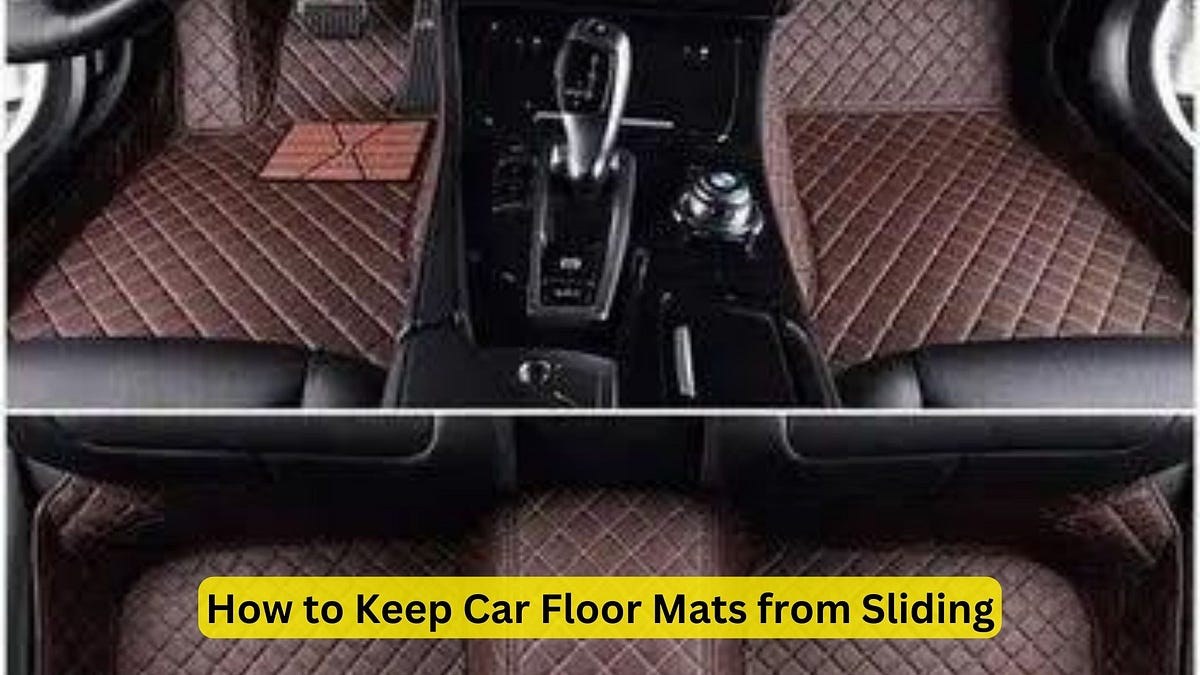
A sliding mat isn’t just annoying; it’s a safety issue. If the mat drifts forward, it can bunch under the brake pedal, reduce pedal travel, and prevent full braking. If it slides under the accelerator, it can hold the throttle open. That’s why the driver’s side mat must be secured by the vehicle’s retention system before every drive, and why any fix you apply needs to keep the mat clear of the pedals with a full range of motion.
Always confirm the driver’s floor mat sits completely clear of the brake, accelerator, and dead pedal with the seat in your normal driving position. Never stack a second mat on top of the driver’s mat, and never drive if the mat moves toward the pedals during a hard press.
If a mat is too long or too wide for the footwell, even a strong anti-slip backing won’t make it safe. That’s a fitment problem, not a grip problem, and the only correct fix is a mat that fits. Check your owner’s manual for the right part number or measure the footwell before shopping.
Floor-Mat Retention Systems: Hooks, Posts, and Clips
Most vehicles already have some form of floor-mat retention. The problem is that many drivers never use it.
Using the OEM Retention Posts Properly
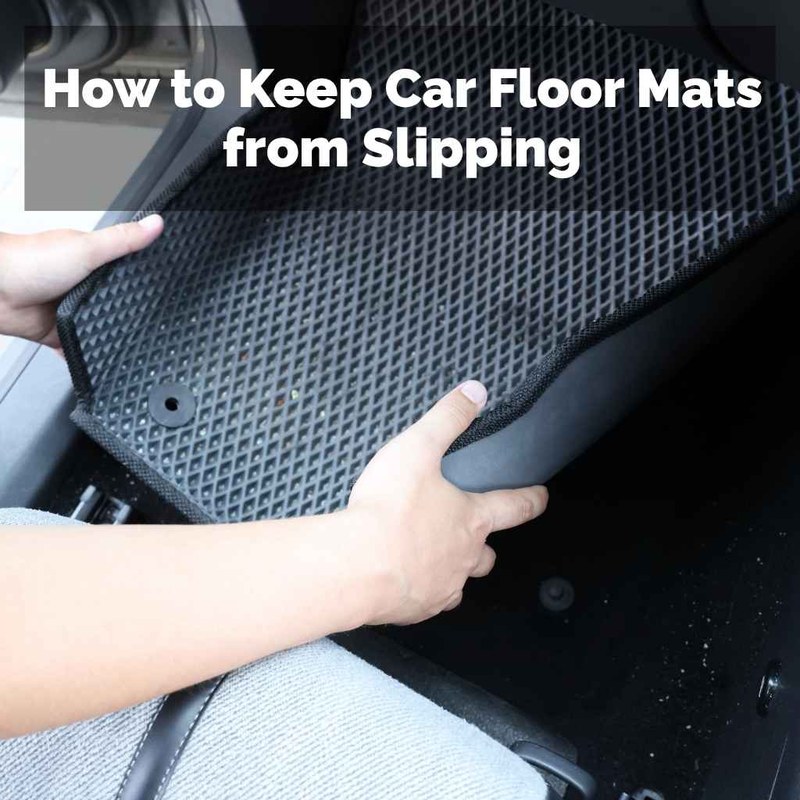
Factory floor mats typically have molded holes or grommets that line up with hooks, posts, or twist-in anchors in the floorpan. If your mat has the holes but you’ve never pressed it down, start there. Lift the mat, locate the posts, align the grommets, and press firmly until the mat snaps or hooks into place. Some anchors require a quarter-turn to lock.
Aftermarket Clips and Brackets That Actually Work
If your vehicle has no retention points, or the factory ones are broken, universal clip kits can add them. Most kits use a base plate that sticks to the carpet and a clip that grabs the mat’s edge. Look for kits with metal-reinforced clips rather than thin plastic, and verify the adhesive cures properly before you drive.
One note: if the factory retention post is broken, check whether the part is replaceable before you buy an aftermarket kit. A replacement OEM post is usually cleaner than an adhesive solution on a daily driver.
Exact-Fit vs. Universal Mats: The Retention Showdown
The shape of the mat matters as much as the backing.
How Exact-Fit Mats Lock Into Your Vehicle
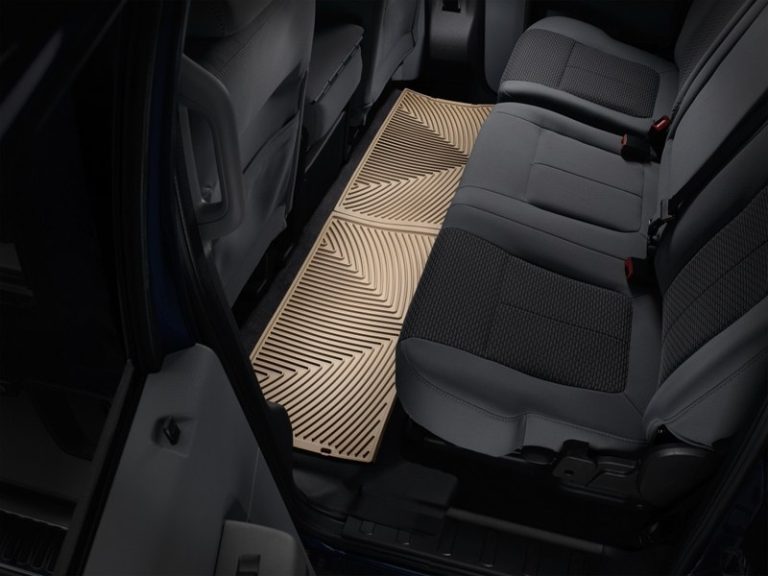
Exact-fit or custom mats are molded from a 3D scan of a specific vehicle’s floorpan. They match the contours of the footwell, use the factory retention holes, and stay in place because they physically fit into the floorpan. The driver’s side often has raised edges that form a lip around the dead pedal.
Choosing a Universal Mat That Won’t Wander
Universal mats are cut to fit a range of vehicles, which is exactly why they slide. If you buy universal mats, choose one with a heavy rubber base and a textured anti-slip backing, and check whether it includes retention holes that line up with your vehicle’s posts. Avoid thin, flat mats with smooth backing; they’ll move no matter what you do.
Before buying any mat, verify the make, model, year, and trim of your vehicle, and check the mat’s stated fitment. Confirm the driver’s side covers the footwell without overlapping the pedals and that retention holes align with the factory posts.
Step-by-Step Installation: Securing Mats Without Damaging the Carpet
Floor mat installation follows the same logic as any interior upgrade, like learning how to install leather seat covers properly: prep the surface first, then secure everything before you drive.
Vacuum the carpet, remove any debris, and wipe down the area where the mat will sit. If you’re using adhesive-backed fasteners, wipe with a mild cleaner and let it dry completely before applying anything sticky.
Place the mat without securing it, then check pedal clearance. The mat should sit flat with no wrinkles, cover the heel area without reaching under the pedals, and line up with any factory retention points.
Press the mat down firmly, engage every retention point, and then push the mat forward with moderate force using your hand. If it moves, re-secure it before you drive. The test takes ten seconds and prevents the exact problem you’re trying to solve.
- Verify the mat is clear of the pedals in your normal seating position
- Engage every factory retention point before driving
- Re-test the mat after every deep cleaning
- Stack two mats on the driver’s side
- Use a mat that overlaps the pedals
- Drive with a loose mat even for a short trip
Materials That Matter: Rubber, Carpet, and Anti-Slip Backing
Weight and Backing: Why Some Mats Stay Put
Heavy rubber mats stay put because weight alone creates friction. A thick rubber base grips the carpet and resists sliding even without hooks. Carpeted mats with a rubber or PVC backing can grip well when new, but the backing wears smooth over time and loses that initial bite.
Water and Debris Containment Without Sliding
Rubber and all-weather mats contain water, mud, and salt better than carpet, and that’s part of the sliding story. A mat with tall ridges traps water, and the trapped weight also helps hold the mat in place. The catch is that heavy rubber mats trap grit under the backing, which turns into an abrasive layer that wears the backing and reduces grip. Regular cleaning restores that grip.
Cleaning and Care to Keep the Grip (and Avoid Odor)
Deep-Cleaning the Backing to Restore Friction
The underside of a mat collects dust, sand, and moisture. That layer reduces friction and can cause odor. To restore grip, remove the mat, vacuum the backing, and wash it with mild soap and water. Let it dry completely before reinstalling. For rubber mats, a scrub brush works well on the backing ribs.
Replacing Worn Mats vs. Repairing Retention Points
If the backing is smooth and shiny, the rubber has hardened, and no cleaning will restore it. Replace the mat. Similarly, if the retention holes are torn, the mat will keep sliding no matter what you attach. A worn driver’s mat is a safety issue, not a cosmetic issue.
Cost and Value: Fix It Yourself or Upgrade?
Budget Fixes: Price vs. Lifespan
Hook-and-loop kits and rubber mesh are inexpensive and fix a sliding mat immediately. The lifespan depends on use: fasteners can lose grip after repeated removal and cleaning, and mesh needs periodic repositioning. For a daily driver, a budget fix that lasts a year is fine; for a long-term vehicle, a proper mat is better value.
Premium Mats and When They’re Worth the Investment
Exact-fit mats cost more than universal mats, but they include retention holes, molded backing, and a shape that fits your floorpan. If your car is new, or you drive in snow, mud, or rain, an exact-fit all-weather mat is worth the upgrade because it solves the sliding problem permanently. If your car is older and you just need the carpet protected, a budget fix is enough.
If you’re already thinking about protecting the cabin, floor mats and seat covers work together; our guide to the best seat covers for leather car seats covers the other half of that equation. And interior protection isn’t just about the floor — the question of whether seat covers protect leather seats from cracking is part of the same long-term care conversation.
Start with the cheapest fix that works: clean the surfaces, secure the factory retention posts, and add hook-and-loop strips or rubber mesh if the mat still moves. If the mat is the wrong shape or the backing is worn out, replace it with an exact-fit mat that locks into the floorpan. Never drive with a mat that can reach the pedals.