
Does Ceramic Coating Protect Against Scratches? Practical Driver Guide
Yes, ceramic coating can help protect against very light scratches, wash swirls, and minor surface marring. But it will not stop deep scratches, rock chips, key marks, parking lot scuffs, or damage from hard impact.
Does ceramic coating protect against scratches? It helps with light surface scratches, but it is not scratch-proof armor. Think of it as a slick protective layer that makes paint easier to clean and harder to mark during normal washing, not a shield against sharp objects or road debris.
I’m Brandon Walker, and I’ve seen a lot of drivers expect too much from ceramic coating. I get why. The word “ceramic” sounds tough. Some brands also talk about hardness ratings, gloss, and long-term protection.
But on real cars, in real driveways, ceramic coating has limits. It can protect your paint from light wash marks. It can make dirt slide off easier. It can help with water spots and grime. But if a shopping cart hits your door, ceramic coating will not save the paint.
What Is Ceramic Coating?
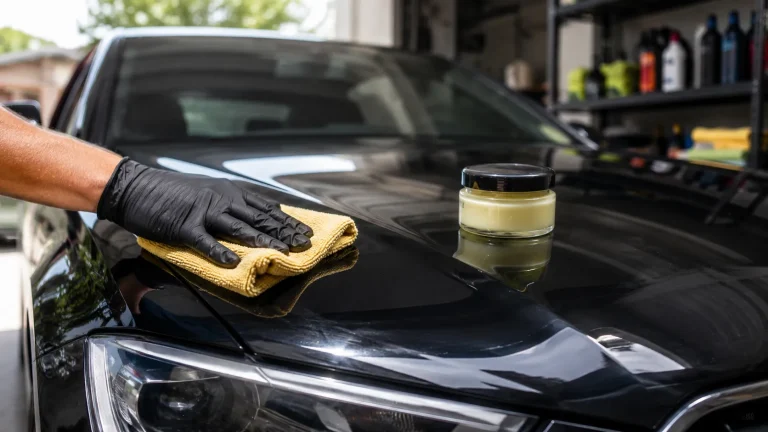
Ceramic coating is a liquid paint protection product. It bonds to the clear coat and creates a slick, hard, glossy layer over the paint.
Most automotive ceramic coatings use silicon dioxide, often called SiO2. Once cured, the coating helps repel water, dirt, road grime, and some chemical stains.
It is popular because it makes a car easier to wash. Water beads up. Dust sticks less. The paint feels slick. The shine can look deeper too.
If you are building a simple care kit, you can compare basic cleaners, waxes, and wash gear in our detailing and care section.
How Ceramic Coating Protects Against Light Scratches
Ceramic coating helps because it adds slickness. When your wash mitt moves over the paint, there is less drag. Less drag can mean less chance of light wash marring.
It also helps dirt release from the surface. That matters because dirt is often what scratches your paint during washing.
Road & Track has tested modern ceramic coating products and notes that these products focus on finish quality, hydrophobic effect, and real-world use. You can check its ceramic coating testing guide for a broader look at product types.
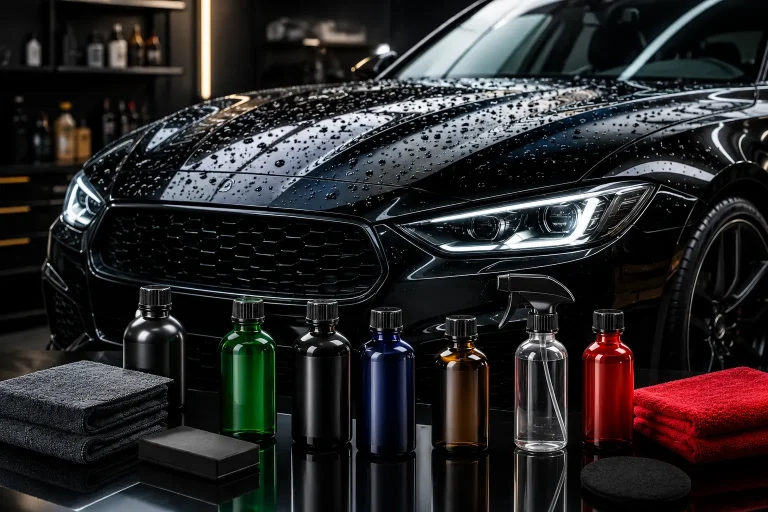
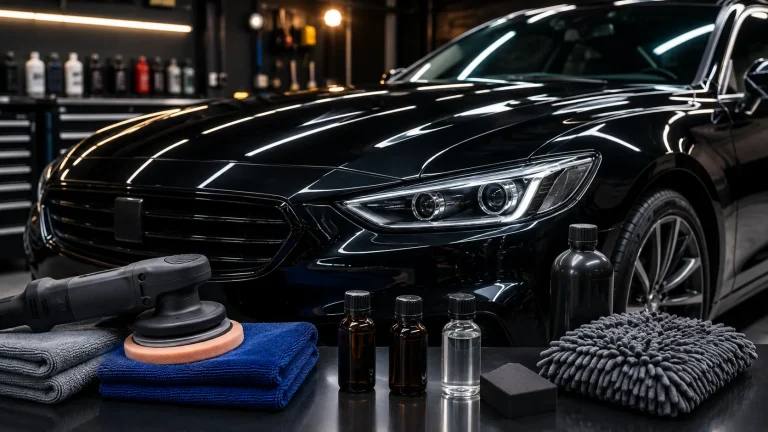
What You’ll Need to Check and Maintain a Ceramic Coating
How Ceramic Coating Works Against Scratches Step by Step
Here is the simple way I explain it to new car owners.
After proper prep, ceramic coating bonds to the top layer of the paint. This adds slickness and chemical resistance.
Because the surface is slick, dust, mud, pollen, and light road film are easier to rinse away.
Less friction during washing can reduce fine swirl marks. This only works if you still use clean wash tools.
Very light surface marring may affect the coating first instead of the clear coat. But sharp or hard contact can still scratch through.
A coated car can still get scratched by dirty towels, automatic brushes, dry wiping, keys, branches, and road debris.
Why This Matters for Car Owners
Scratch protection is one of the main reasons people look at ceramic coating. But if you buy it for the wrong reason, you may feel disappointed.
If your goal is easier washing, better gloss, and light swirl resistance, ceramic coating makes sense. If your goal is rock chip protection, paint protection film is the better choice.
Consumer Reports offers broad car maintenance guidance that reminds drivers how much regular care matters over time. Ceramic coating does not replace that care.
On coated cars I have washed, the biggest difference is not magic scratch protection. It is how easily dirt releases from the paint. The wash mitt moves smoother, and drying takes less effort. That is where I notice the real value.
Pros and Cons of Ceramic Coating for Scratch Protection
- Helps reduce light wash swirls.
- Makes paint slicker and easier to clean.
- Can protect against light surface marring.
- Improves gloss and water beading.
- Helps protect against grime, bug splatter, and some stains.
- Will not stop deep scratches.
- Will not prevent rock chips.
- Can still be damaged by poor washing.
- Needs proper prep before application.
- Professional coating can cost a lot.
Ceramic Coating Scratch Protection Spec Sheet
Ceramic coating works on most glossy factory clear coat finishes. It can also be used on some wheels, glass, and trim when the product allows it. For matte paint, vinyl wrap, paint protection film, or repainted panels, check the coating label or ask a detailer first.
Budget Estimate for Ceramic Coating Scratch Protection
For most daily drivers, a quality ceramic spray is a low-cost starting point. A true ceramic coating lasts longer, but it needs better prep.
For scratch control, I like pairing ceramic coating with a safe wash kit. A coating alone helps, but clean microfiber towels, pH-balanced shampoo, and a two-bucket wash method do more to prevent daily swirl marks.
Install Tips for Ceramic Coating
- Wash and decontaminate the paint before applying coating.
- Polish the paint first if you want the best gloss.
- Apply the coating in a shaded, clean, dry area.
- Follow the cure time on the product label.
- Do not wash the car too soon after coating.
- Use ceramic-safe shampoo after application.
Do not apply ceramic coating over dirty, rough, or scratched paint and expect it to hide everything. Coating locks in the finish you already have. If the paint has swirls, polish first.
Some ceramic coatings use hardness claims such as 9H. That does not mean your paint can resist keys, rocks, metal tools, or shopping carts. It usually refers to a pencil hardness style rating, not real-world impact protection.
Wear gloves and work in a ventilated area when applying ceramic coating. Do not rush the flash time, and do not let coating dry unevenly on the paint. High spots can leave streaks that are hard to remove.
Most swirl marks come from washing and drying, not from normal driving. That is why a coated car still needs soft towels, clean mitts, and careful drying.
Ceramic Coating vs Wax vs Paint Protection Film
Ceramic coating is not the only paint protection option. Wax, sealant, ceramic spray, true coating, and paint protection film all have different jobs.
If you are also looking at exterior protection gear like covers, mud flaps, or paint-safe accessories, visit our exterior gear section.
| Protection Type | Scratch Protection | Best Use |
|---|---|---|
| Car wax | Very low | Gloss and short-term water beading |
| Paint sealant | Low | Longer-lasting shine and paint protection |
| Ceramic spray | Low to moderate | Easy maintenance and slickness |
| True ceramic coating | Moderate for light marks | Longer protection, gloss, and easier washing |
| Paint protection film | High | Rock chips, bumper impact, and high-risk panels |
What Ceramic Coating Can and Cannot Protect Against
This is the part I wish every car owner knew before paying for a coating.
| Scratch or Damage Type | Will Ceramic Coating Help? | Better Solution |
|---|---|---|
| Light wash swirls | Yes, it can help reduce them | Safe hand wash method |
| Dry towel marks | Somewhat | Use clean microfiber and drying aid |
| Tree branch scratches | Not much | Avoid contact and polish if needed |
| Rock chips | No | Paint protection film |
| Key scratches | No | Paint repair or repainting |
| Automatic brush wash scratches | Only limited help | Avoid brush washes |
Does Ceramic Coating Stop Rock Chips?
No. Ceramic coating does not stop rock chips. It is too thin for that kind of impact.
If your car sees highway miles, gravel roads, or winter road debris, paint protection film is the stronger choice for the front bumper, hood edge, mirrors, and fenders.
The NHTSA shares general vehicle safety information that helps drivers think about full vehicle care, not just appearance. Clean lights, clear glass, and safe equipment matter too.
Does Ceramic Coating Prevent Swirl Marks?
It can reduce swirl marks, but it does not prevent all of them. Swirls usually happen when dirt gets dragged across the paint.
If you wash with a dirty sponge, use one bucket, or dry with an old towel, you can still scratch a coated car.
That is why I always say coating is only half the plan. The other half is your wash method.
How to Wash a Ceramic Coated Car Without Adding Scratches
A coated car should still be washed with care. Do not treat it like a shield.
- Use pH-balanced car shampoo.
- Rinse loose dirt before touching the paint.
- Use a clean microfiber mitt.
- Wash from top to bottom.
- Dry with soft microfiber towels.
- Do not dry wipe dusty paint.
- Do not use dish soap for normal washes.
- Do not use automatic brush washes.
- Do not use dirty towels from the garage floor.
- Do not scrub bird droppings or bugs while dry.
AAA has useful auto repair and maintenance articles for drivers who want to keep up with basic car care and seasonal maintenance.
When Ceramic Coating Is Worth It
Ceramic coating is worth it if you care about gloss, easier washing, water beading, and reducing light wash marks.
It is also helpful if your car stays outside and deals with rain, dust, pollen, bug splatter, or road grime. The coating makes cleaning faster.
It is less worth it if you expect it to stop scratches from keys, pets, rocks, bushes, and parking lot hits.
When You Should Choose Paint Protection Film Instead
Choose paint protection film if you want real impact protection. It is thicker than ceramic coating and can absorb more abuse.
PPF makes the most sense on:
- Front bumper
- Hood edge
- Mirror caps
- Door cups
- Rocker panels
- Rear bumper loading area
Many drivers use both. PPF goes on the high-impact areas. Ceramic coating goes over the rest of the car for gloss and easier cleaning.
Common Ceramic Coating Myths
| Myth | Truth | What I Recommend |
|---|---|---|
| Ceramic coating is scratch-proof | It only helps with light marks | Use safe washing and avoid contact |
| You never need to wash a coated car | You still need regular washing | Wash gently every 1 to 3 weeks |
| Coating replaces PPF | PPF protects better from impact | Use PPF for high-risk panels |
| All coatings are the same | Durability and prep needs vary | Read labels and reviews carefully |
| Coating hides scratches | It may add gloss but will not repair damage | Polish paint before coating |
Simple Pre-Buy Checklist
- Decide if you want easier cleaning or impact protection.
- Check if your paint needs polishing first.
- Read the cure time and application steps.
- Make sure the product is safe for your paint type.
- Buy enough microfiber towels before starting.
- Check if you need indoor space for application.
- Compare ceramic coating with PPF if rock chips are your main concern.
Gear That Helps Prevent Scratches After Ceramic Coating
The right gear matters. A coated car with bad wash tools can still get scratched.
At minimum, I would keep a good mitt, two buckets, grit guards, plush towels, and a gentle drying aid. You can also compare related items in our garage essentials section.
| Gear | Why It Helps | Best For |
|---|---|---|
| Microfiber wash mitt | Holds soap and glides over paint | Safe hand washing |
| Grit guard | Keeps dirt lower in the bucket | Reducing wash scratches |
| Plush drying towel | Absorbs water with less dragging | Preventing drying marks |
| Foam cannon | Helps loosen dirt before contact | Pre-wash cleaning |
| Ceramic maintenance spray | Boosts slickness and water beading | Coating upkeep |
- Ceramic coating helps protect against light scratches and wash swirls.
- It does not stop rock chips, key scratches, or deep damage.
- Safe washing is still the best way to prevent swirl marks.
- Paint protection film is better for impact protection.
- The best setup is coating, careful washing, and PPF on high-risk areas.
Ceramic coating protects against some light surface scratches, but it is not scratch-proof. Use it for gloss, slickness, and easier cleaning. Use paint protection film if you need stronger protection from rocks and impact.
FAQ: Does Ceramic Coating Protect Against Scratches?
Yes, but only against very light scratches, wash swirls, and minor surface marring. It will not stop deep scratches or hard impact damage.
No. Ceramic coating is not scratch-proof. It adds a slick protective layer, but sharp objects and heavy contact can still damage the paint.
No. Ceramic coating is too thin to stop rock chips. Paint protection film is a better choice for impact protection.
It can help reduce swirl marks by making the paint slicker, but poor washing can still cause swirls on a coated car.
Yes. Dirty towels, automatic brush washes, keys, branches, rocks, and hard contact can still scratch a ceramic coated car.
Choose ceramic coating for gloss and easier cleaning. Choose paint protection film for stronger protection against rock chips and impact.
Yes, if the paint has swirls or scratches. Ceramic coating does not remove defects, so polishing first gives a cleaner finish.
Use pH-balanced shampoo, clean microfiber towels, a two-bucket wash method, and avoid automatic brush car washes.
Conclusion
So, does ceramic coating protect against scratches? Yes, but only to a point. It helps with light wash marks, minor marring, and daily cleaning. It does not protect your car from deep scratches, keys, rocks, branches, or parking lot damage.
My practical advice is simple. Use ceramic coating if you want slick paint, strong water beading, easier washing, and better gloss. But do not expect it to act like armor.
If scratch and chip protection is your top goal, use paint protection film on the high-impact areas. Then use ceramic coating for the rest of the car. That combination gives you a much smarter protection setup for real driving.
One Comment