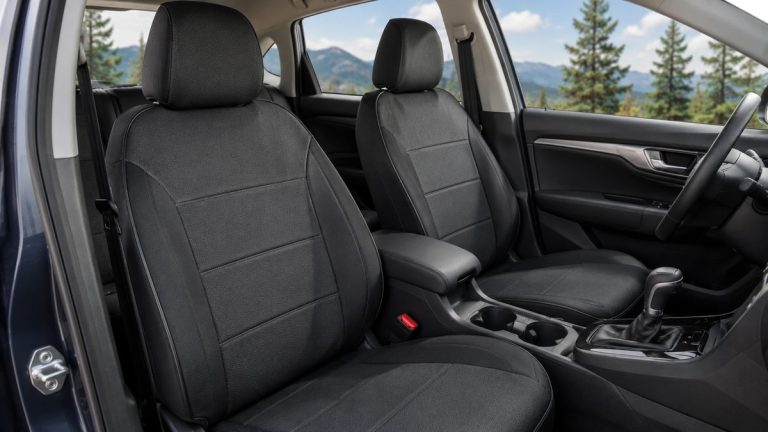
How Long Do Custom Seat Covers Last? Average Lifespan & Care Tips

Most custom seat covers last between three and eight years with normal daily use. Genuine leather and heavy-duty canvas last longest, while leatherette and velour wear out fastest.
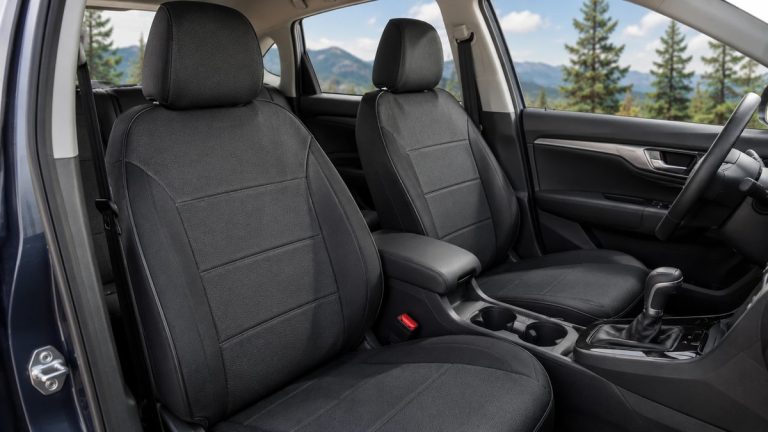
If you’re asking how long do custom seat covers last, the short answer is that most quality covers survive between three and eight years of daily use — but the real range runs anywhere from two years to more than a decade depending on the material, the fit, your climate, and how well you maintain them. Custom-fit covers generally outlast universal covers because they follow the contours of the seat instead of stretching and shifting under load.
This guide breaks down average lifespans by material, the five factors that accelerate wear, how airbags and heated seats affect durability, installation mistakes to avoid, and the cleaning habits that add years to a set of covers. By the end, you’ll know what to expect from your investment and when it’s time to shop for a replacement.
- Material drives lifespan: Genuine leather (5–10+ years) and canvas (5–8 years) lead; leatherette (2–5 years) and velour.
- Fit matters: Custom-fit covers distribute stress evenly and outlast universal covers that stretch and shift.
- Climate and use accelerate wear: UV, heat, humidity, and daily entry/exit friction are the top durability killers.
- Care adds years: Regular cleaning, conditioning, and UV protection can double a cover’s usable life.
- Safety first: Verify airbag compatibility and heated-seat suitability before installing any custom cover.
How Long Do Custom Seat Covers Last? The Short Answer
For a typical daily driver, plan on three to five years as a realistic baseline for mid-range materials like neoprene and leatherette. Premium genuine leather and heavy-duty canvas routinely reach seven to ten years when cared for, while budget velour and carpet-style covers often need replacing after two to four years.
The lifespan also depends on how many miles you log, whether you park in the sun, and whether your covers are properly installed. A well-fitted cover on a garage-kept weekend car will outlast the same material on a work truck that sits in the sun all day.
Average Lifespan by Material: Which Custom Seat Cover Lasts Longest?
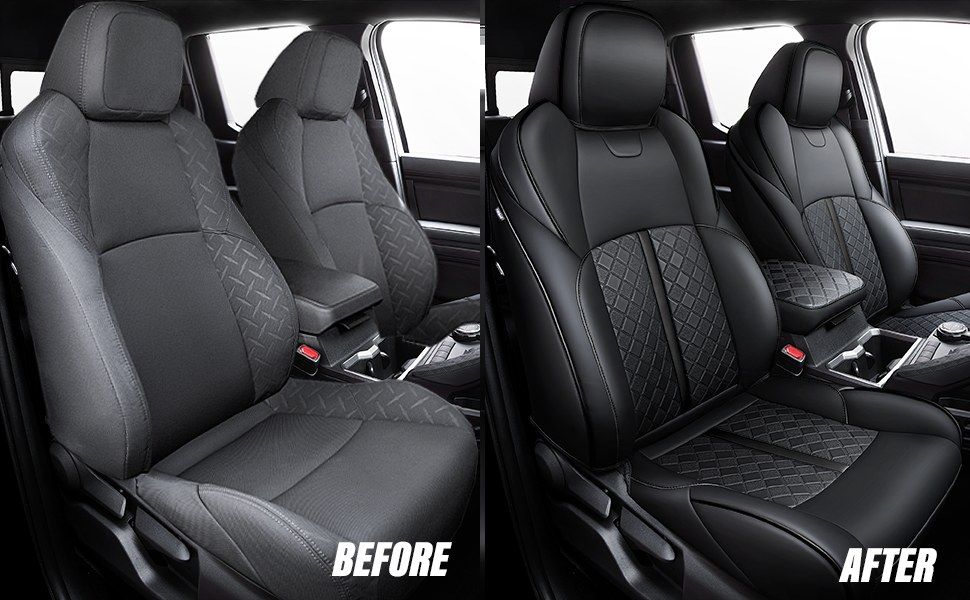
Material choice is the single biggest predictor of longevity. Here’s how the most common custom seat cover materials compare.
| Material | Typical Lifespan | Best For | Main Weakness |
|---|---|---|---|
| Neoprene | 3–6 years | Outdoor, off-road, pets | UV fading, seam wear |
| Leatherette (PU/PVC) | 2–5 years | Budget leather look | Peeling, cracking |
| Genuine Leather | 5–10+ years | Premium interiors | Needs conditioning |
| Canvas / Heavy-Duty | 5–8 years | Trucks, work vehicles | Mildew if wet |
| Velour / Carpet | 2–4 years | Soft, plush comfort | Stains, matting |
Neoprene: 3–6 Years
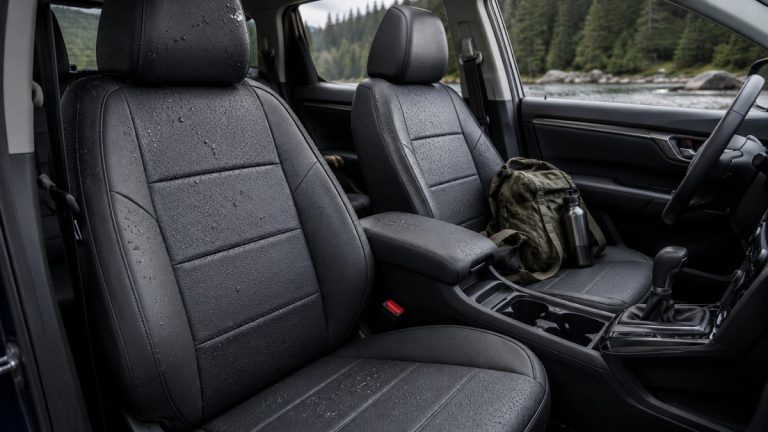
Neoprene is the go-to for owners who want water resistance and a snug, wetsuit-like fit. It handles spills, mud, and pet hair well, which is why it’s popular in Jeeps, trucks, and family SUVs. The main enemy is ultraviolet light: prolonged sun exposure fades the color and breaks down the material’s flexibility. Seams and elastic edges tend to fail before the main panels do.
Leatherette (PU/PVC): 2–5 Years
Leatherette offers the look of leather at a fraction of the price, but it’s a layered product — a polyurethane or PVC coating over a fabric backing. That coating can peel, crack, or flake once it’s exposed to enough heat, friction, and UV. A garage-kept car with light use might get five years; a daily commuter in a hot climate may see visible wear in two or three. If you’re weighing the trade-offs, our comparison of genuine leather vs leatherette seat covers explains the difference in more depth.
Genuine Leather: 5–10+ Years
Genuine leather is the longest-lasting material when it’s maintained. A quality leather hide is naturally durable, abrasion-resistant, and ages well if you condition it regularly. The catch is upkeep: leather that’s never cleaned or conditioned will dry out, crack, and fade, sometimes within three or four years. Owners who condition twice a year routinely get a decade or more.
Canvas and Heavy-Duty Fabrics: 5–8 Years
Canvas and other heavy-duty woven fabrics are built for abrasion. They shrug off tools, boots, and cargo, which makes them the default choice for work trucks and off-road rigs. The fabric itself is tough, but the stitching and attachment hardware are the weak points. Canvas also holds moisture, so letting it dry out after getting wet is important to avoid mildew and odor.
Velour and Carpet-Style Covers: 2–4 Years
Velour and carpet-style covers feel soft and plush, but they’re the least durable option. The pile mats down under pressure, stains set quickly, and the backing can separate from the fabric after repeated cleaning. They’re fine for low-mileage or occasional-use vehicles, but they’re not built for daily abuse.
5 Factors That Make Custom Seat Covers Wear Out Faster
Even the best material will fail early if the conditions are against it. These are the five most common wear accelerators.
- Daily entry and exit friction. Sliding in and out of the driver’s seat rubs the same spot thousands of times a year. The outer bolster is almost always the first area to show wear.
- Sun and UV exposure. Ultraviolet light breaks down polymers, fades dyes, and dries out leather. Cars parked outside in sunny states lose covers faster than garage-kept vehicles.
- Heat and humidity. High cabin temperatures soften adhesives and accelerate coating failure on leatherette. Humidity invites mildew in fabric and neoprene covers.
- Pets and children. Claws, car seats, and spilled drinks add mechanical and chemical stress that no material is fully immune to.
- Poor fitment. A cover that’s too loose shifts and bunches; one that’s too tight strains seams and elastic. Both cause premature failure.
Fitment, Airbags, and Heated Seats: How Compatibility Affects Durability

Compatibility isn’t just about looks — it directly affects how long your covers last and whether they’re safe to use. Before you buy, verify that the covers are designed for your exact make, model, year, and trim.
Verify make, model, year, trim, seat configuration, side airbags, seat controls, heating and ventilation elements, and folding or reclining sections before ordering custom seat covers. A cover that doesn’t match your seat geometry will stress, slip, and wear out faster.
Side Airbag Clearance and Safety Limitations
If your vehicle has side airbags built into the seats, the covers must be designed with airbag-compatible stitching and deployment seams. A cover that blocks or restricts an airbag isn’t just a durability problem — it’s a safety risk. Look for covers with explicit airbag-compatibility documentation from the manufacturer, and never modify the cover yourself to create an opening. Our guide to airbag-compatible seat covers covers what to check before you commit.
Never install a seat cover that obstructs side airbag deployment, seat belt buckles, or seat-mounted sensors. Confirm the manufacturer’s airbag compatibility statement for your exact vehicle before purchase, and follow the installation instructions precisely.
Heated and Ventilated Seat Performance
Heated seats add another layer of complexity. The heating element sits inside the seat, and a thick or non-breathable cover can trap heat, slow warm-up, or even stress the element. Some materials, especially leatherette, can degrade faster when they’re repeatedly heated and cooled. If you use heated seats regularly, look for covers that are explicitly rated for them and check whether the material breathes. Our roundup of the best custom-fit seat covers for heated seats highlights what to look for.
Seat Controls, Slipping, and Retention
Custom covers include cutouts for seat controls, power adjustments, and seat belt buckles. If those cutouts don’t line up, the cover will pull and bunch, creating stress points that tear over time. Retention systems — hooks, straps, and clips — keep the cover anchored. A cover that slips after a few weeks was either installed wrong or doesn’t fit your seat properly.
Installation Mistakes That Shorten the Life of Your Seat Covers
A good installation is the cheapest durability upgrade you can buy. These common mistakes cause premature wear:
- Forcing the cover over the seat. If it takes extreme pulling, the seams are already under tension. Stop and re-check the fit.
- Skipping the retention hardware. Hooks and straps exist to stop movement. Leaving them off lets the cover shift and abrade.
- Misaligning airbag seams. A twisted panel can put the deployment seam in the wrong place.
- Trapping moisture under the cover. Installing over damp seats or spilling liquid during installation invites mildew and odor.
- Ignoring the instructions. Each material and brand has specific steps. If you’re working with leather, our guide on how to install leather seat covers walks through the process in detail.
After installation, sit in the seat and move through your normal driving positions. Listen for rubbing, check that the cover doesn’t shift, and confirm all controls and belts are accessible. A cover that fits correctly on day one will last far longer than one that was forced into place.
The Care Guide: Cleaning and Conditioning That Adds Years
Regular maintenance is the difference between a three-year cover and a seven-year cover. Here’s how to care for each material.
Routine Cleaning by Material
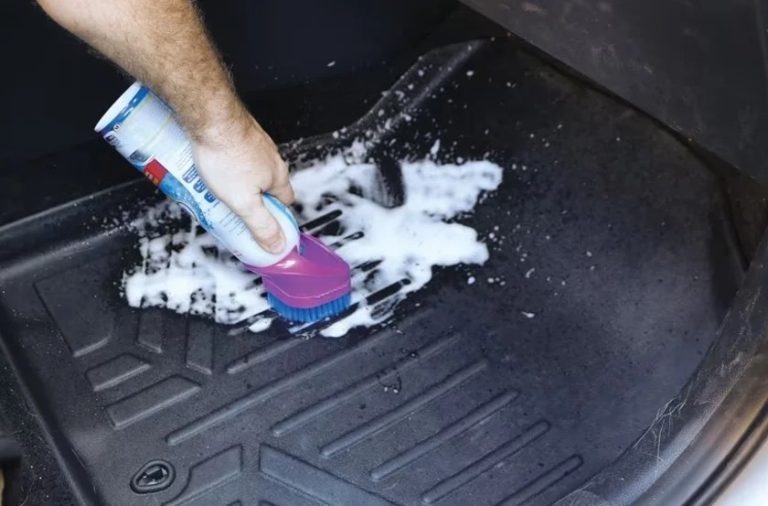
- Neoprene: Wipe with mild soap and water, then air dry. Avoid machine washing unless the manufacturer says it’s safe.
- Leatherette: Wipe with a damp microfiber cloth and a pH-balanced vinyl cleaner. Dry with a soft cloth.
- Genuine leather: Clean with a dedicated leather cleaner, then apply conditioner. Never use all-purpose household cleaners.
- Canvas and heavy-duty fabrics: Vacuum regularly and spot-clean with a fabric cleaner. Let the cover dry completely before reinstalling.
- Velour and carpet-style: Vacuum frequently and treat stains immediately with a fabric-safe spot remover.
Conditioning and UV Protection
Conditioning isn’t just for leather. Vinyl and leatherette benefit from a UV-protectant dressing that keeps the surface flexible. Genuine leather needs a conditioner every few months to replace natural oils. For fabric and neoprene, a UV spray designed for automotive interiors can slow fading without leaving a greasy residue.
Cleaning Products to Avoid
- Use pH-balanced cleaners matched to the material
- Test any new cleaner on a hidden area first
- Let covers air dry fully before use
- Use bleach, ammonia, or harsh degreasers
- Scrub with stiff brushes or abrasive pads
- Machine wash or tumble dry unless the manufacturer explicitly allows it
When to Replace Your Custom Seat Covers: Warning Signs
Even with perfect care, every cover eventually reaches the end of its life. Watch for these signs:
- Cracks, peeling, or flaking on leatherette or vinyl surfaces.
- Frayed or split seams that expose the seat underneath.
- Loss of elasticity in neoprene or stretch-fit covers, causing sagging.
- Persistent odor that survives cleaning, which usually means mildew inside the padding.
- Airbag seam damage — if the deployment seam is compromised, replace the cover immediately.
- Fading or discoloration that no longer matches your interior.
Custom vs Universal: Does a Custom Fit Really Last Longer?
In most cases, yes. A custom-fit cover is cut and sewn to match your seat’s exact dimensions, which means it distributes stress evenly and stays in place without excessive stretching. Universal covers rely on elastic and straps to conform to a range of seats, creating tension points that wear out faster. The durability gap is especially noticeable on seats with pronounced bolsters, integrated headrests, or unusual shapes. For a deeper comparison, check out our breakdown of custom fit vs universal seat covers.
Are Custom Seat Covers Worth It? Cost, Value, and the Verdict
Custom seat covers cost more than universal ones, and that premium buys better fit, better protection, and — if you maintain them — a longer service life. For a daily driver you plan to keep for years, a quality custom set is usually worth the investment. For a beater or a lease you’ll return soon, a universal cover may be the smarter financial call.
The value also depends on what you’re protecting. If your factory seats are leather or have side airbags, a well-fitted custom cover can prevent expensive damage and preserve resale value. If you’re just covering worn-out cloth seats, the math is simpler: buy the most durable material you can afford and take care of it.
Custom seat covers last anywhere from two to over ten years, with three to five years as the realistic average for most daily drivers. Choose a material that matches your use, verify fitment and airbag compatibility, install it correctly, and clean it regularly — that combination will get you the maximum lifespan out of any set.