Can Seat Covers Be Used with Heated Seats? Yes, Here’s How

If you’ve been wondering whether can seat covers be used with heated seats without losing warmth or interfering with the seat’s built-in systems, the answer is yes—but the cover’s material, fit, and installation method determine how well the heat comes through and whether the seat’s airbags and sensors still work as designed. Plenty of US drivers use seat covers on heated seats every day to protect factory upholstery from pets, kids, spills, and sun damage while still enjoying a warm seat on cold mornings. The trick is knowing what to buy, how to install it, and when to skip covers altogether.
How Heated Seats Work and Why the Cover Matters
Heated seats use thin resistive heating elements embedded in the seat cushion and backrest. When you turn on the seat heater, electrical current flows through those elements and the warmth radiates through the factory upholstery to your body. A seat cover sits directly between that heating element and your body, so it acts as an extra layer of insulation.
How much heat actually reaches you depends on three things:
- Cover thickness: Thicker padding traps more heat before it reaches you.
- Material breathability: Dense, non-porous materials hold heat and can make the seat feel stuffy.
- Fit tightness: A loose cover creates an air gap that slows heat transfer; a snug cover lets warmth pass through more efficiently.
The good news is that most quality seat covers are designed with these factors in mind. The bad news is that cheap universal covers often are not.
The Short Answer: Yes, With the Right Cover

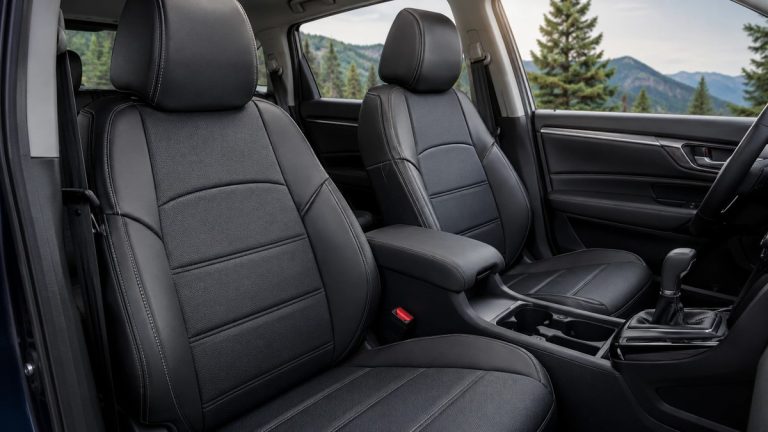
In most vehicles, seat covers can be used with heated seats as long as the cover is compatible with the seat’s dimensions, heating elements, and safety equipment. Custom-fit covers made for your specific make, model, and year are the safest bet. They’re cut to match the seat’s contours, so they stay tight against the upholstery, and many are designed with airbag-compatible stitching and heat-transfer-friendly materials.
Semi-custom covers can also work if they’re sized correctly for your seat style. Universal covers are the most hit-or-miss option. They can shift around, bunch up, and create thick layers of fabric between you and the heating element, which reduces warmth and can interfere with seat sensors.
After installing any cover on a heated seat, turn the heat to its highest setting and feel the seat surface after five minutes. If the seat barely warms up or feels hot only in patches, the cover is too thick or not fitted tightly enough. That simple test takes less time than a cold-weather commute and tells you everything you need to know.
Seat Cover Types and Heated Seat Compatibility
Not all seat covers are created equal when it comes to heated seats. Here’s how the main types compare.
| Cover Type | Best For | Heated Seat Consideration |
|---|---|---|
| Custom-fit | Drivers who want a precise fit and airbag-safe design | Best heat transfer because the cover hugs the seat; confirm the manufacturer lists heated-seat compatibility |
| Semi-custom | Drivers with common seat styles who want a balance of fit and price | Check dimensions against your seat; a loose fit can create air pockets that slow heat |
| Universal | Budget protection or temporary use | Higher risk of bunching, blocked heat, and sensor interference; test carefully before relying on it |
Material choice matters just as much as cover type. Thin, breathable materials like perforated leatherette, mesh-backed fabric, and lightweight neoprene tend to let more heat through. Dense, heavily padded covers—especially those with thick foam backing or quilted layers—noticeably reduce heat transfer and can make the seat heat up unevenly.
Best Materials for Heated Seat Covers
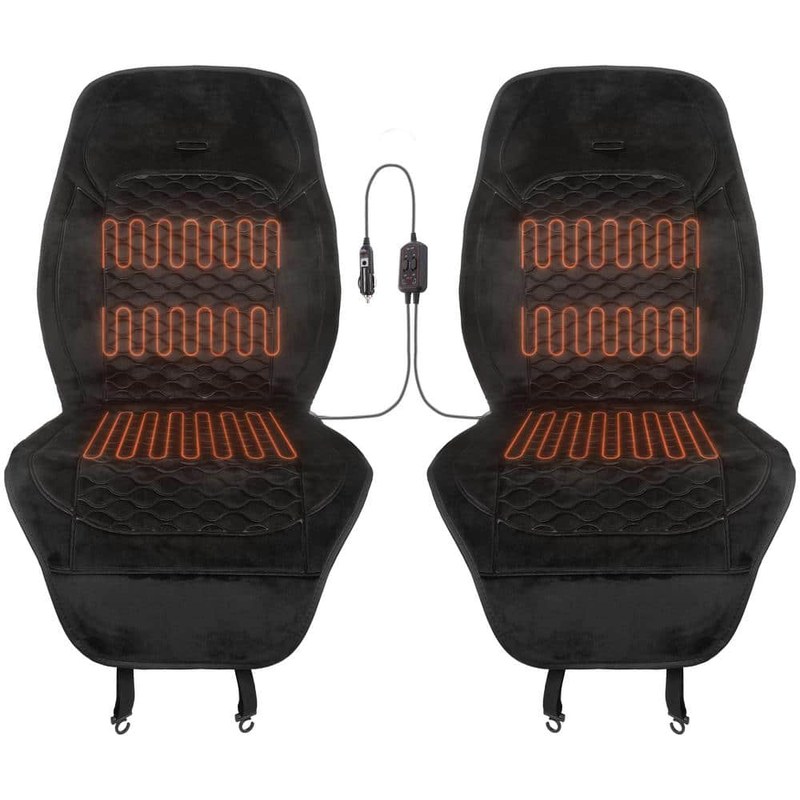
If you want the seat heater to work as close to factory performance as possible, choose a cover made from a material that transfers heat well. Some of the better options include:
Materials That Transfer Heat Well
- Perforated leatherette: Looks like leather, breathes through the perforations, and transfers heat reasonably well.
- Mesh or breathable knit fabric: Allows heat to pass through easily and stays cool in summer.
- Thin neoprene: Offers good water resistance and a snug fit, though thicker neoprene can slow heat transfer.
- Sheepskin or lambswool: Naturally insulating, so it holds warmth but also delays it; expect a slower warm-up.
Materials That Trap Heat
Be cautious with thick quilted padding, heavy canvas, and dense vinyl without perforations. These materials trap heat close to the seat surface, which can make the seat feel hot while the warmth doesn’t reach you evenly. They also tend to hold body heat, which can make the seat uncomfortable on longer drives.
Before buying any seat cover, confirm it fits your vehicle’s exact make, model, year, and trim. Check whether the cover is compatible with heated seats, side airbags, and occupant sensors. Many manufacturers list this information on the product page or packaging. If it’s not listed, contact the seller before purchasing.
What to Look For Before You Buy
Beyond material, a few specific features make a seat cover safer and more effective on heated seats:
- Airbag-compatible design: Look for covers with tear-away seams or panels designed not to interfere with side airbag deployment.
- Sensor-friendly construction: If your vehicle has occupant sensors in the seats, choose a cover that doesn’t add excessive thickness or padding.
- Secure attachment: Hook-and-loop straps, elastic edges, and seat-back fasteners keep the cover tight against the seat, which improves heat transfer.
- Heated-seat-specific labeling: Some manufacturers explicitly state their covers are compatible with heated seats—use that as a strong signal.
- Confirm the cover fits your exact make, model, year, and trim
- Check that the cover is labeled airbag-compatible and heated-seat-compatible
- Choose a breathable material that won’t trap heat
- Review the installation method and whether the cover stays snug against the seat
- Verify the return policy in case fitment or heat performance falls short
How to Install Seat Covers on Heated Seats
Proper installation is the difference between a cover that works with your heated seats and one that turns them into a barely-there luxury. Follow these steps:
Verify the cover is designed for your vehicle and read the manufacturer’s installation guide. Check that the cover won’t cover seat-mounted airbag panels or interfere with seat controls.
Vacuum the seat and remove any debris. If the cover requires the seat to be moved forward or the headrest removed, do that before installation.
Slide the cover over the seatback and cushion, then tighten all straps, hooks, and elastic fasteners. The cover should be smooth and snug with no loose bunches.
Turn on the seat heater, wait a few minutes, and feel the seat surface. If heat is weak or uneven, re-tighten the cover or reconsider the material.
Safety and Compatibility Considerations
Seat covers and heated seats can work together, but safety systems come first. Here’s what you need to keep in mind.
Side Airbags
Many vehicles have side airbags mounted in the seat backrest. A cover that isn’t designed with airbag-compatible stitching or tear-away panels can slow or redirect deployment. If your vehicle has seat-mounted airbags, only use covers that are explicitly labeled airbag-compatible for your specific vehicle.
Occupant Sensors
Some vehicles use occupant sensors in the passenger seat to determine whether the airbag should be active. A thick, loose cover can interfere with those sensors and trigger a warning light. If your vehicle has this feature, choose a sensor-friendly cover and test the system after installation.
Heated, Ventilated, and Power Seat Controls
Also keep seat controls in mind. Some vehicles have seat adjustment switches, memory buttons, or heating controls mounted on the side of the seat cushion. A cover that wraps around the seat base can block access to those controls. If your vehicle has ventilated seats, a cover can also block the airflow through the seat surface—look for a cover designed with ventilation in mind or skip covers on those seats.
Before installing any seat cover, check your vehicle’s owner’s manual. Some automakers explicitly advise against aftermarket seat covers because of airbag or sensor concerns. If your manual warns against covers, follow the manufacturer’s guidance. When in doubt, contact your dealer or the cover manufacturer with your vehicle’s VIN and trim details.
When You Should Skip Seat Covers
There are a few situations where seat covers and heated seats don’t mix well:
- Your vehicle has seat-mounted side airbags and you can’t find a compatible cover. Don’t risk it—airbag deployment is a life-safety issue.
- Your seat has complex occupant sensors and the cover triggers a warning light. Remove the cover and look for a sensor-friendly alternative.
- You rely heavily on the seat heater in cold climates and want maximum warmth. Thick, plush covers will noticeably reduce heat output.
- Your vehicle’s owner’s manual specifically warns against seat covers. Follow the manual’s guidance.
Final Thoughts
Seat covers and heated seats are not mutually exclusive. With a custom-fit or properly sized cover made from a breathable material, you can protect your factory upholstery and still enjoy a warm seat all winter. The keys are choosing a cover that’s compatible with your vehicle’s safety systems, installing it snugly, and testing the heat after installation.
- Choose a custom-fit cover for your exact make, model, and year
- Look for airbag-compatible and heated-seat-compatible labeling
- Install the cover snugly so heat transfers efficiently
- Test the heated seat after installation
- Keep seat controls, sensors, and airbag panels unobstructed
- Use thick, heavily padded covers if you rely on seat heat
- Install a universal cover that shifts and bunches
- Ignore airbag or occupancy sensor warning lights
- Block seat-mounted controls, airbag seams, or ventilation ports
Yes, you can use seat covers with heated seats—just choose a breathable, custom-fit cover that’s compatible with your vehicle’s airbags and sensors, install it snugly, and test the heat. If you check those boxes, you get the best of both: protected upholstery and a warm seat on the coldest mornings.