Fabric vs Leather Seat Covers: Which Is Better for Your Car?
Quick Verdict Fabric seat covers are usually better for hot weather, daily commuting, pets, and tight budgets. Leather or leather-style…

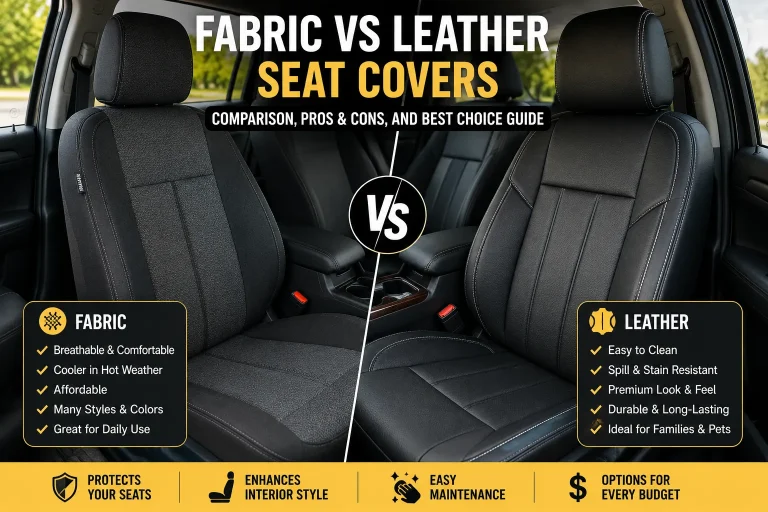
Quick Verdict Fabric seat covers are usually better for hot weather, daily commuting, pets, and tight budgets. Leather or leather-style…
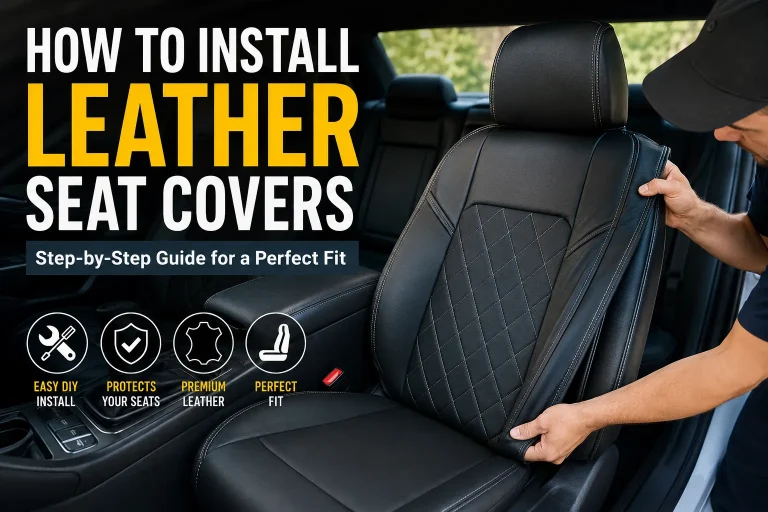
Quick Verdict To install leather seat covers, match each cover to the correct seat, remove the headrests when allowed, pull…
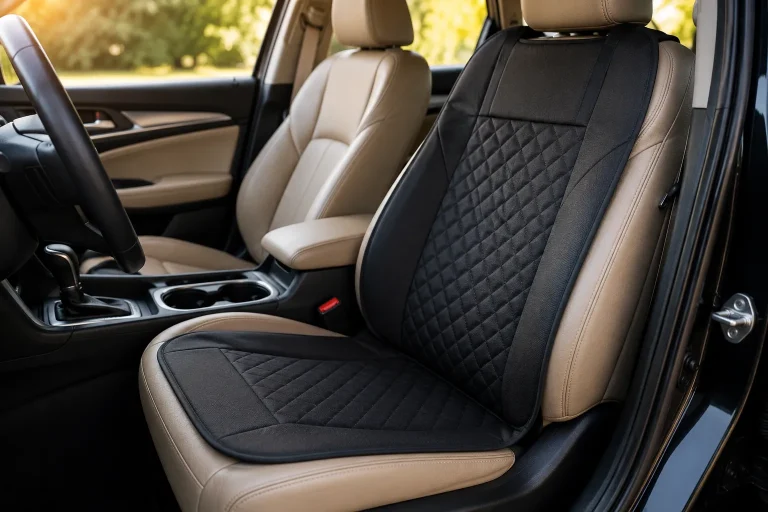
Quick Verdict Yes, you can often use leather seat covers with heated seats. Choose a thin, heat-compatible cover made for…
Quick Verdict Yes, seat covers can help protect leather seats from cracking. They reduce sun exposure, heat, friction, sweat, dirt,…
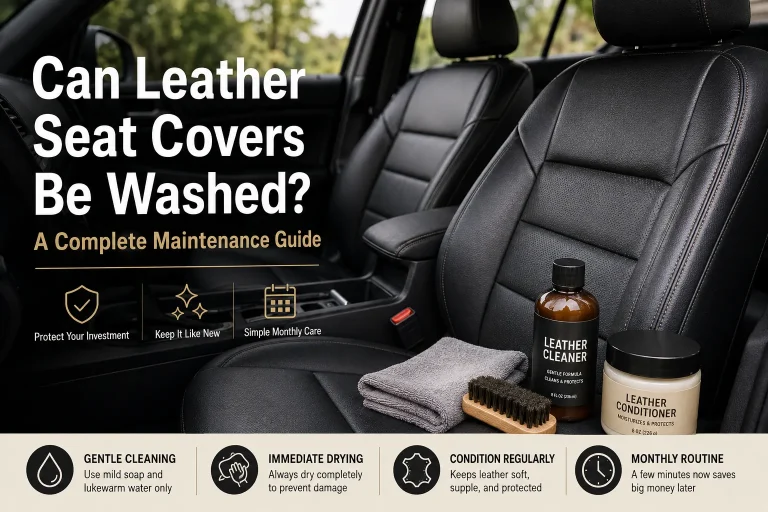
Quick Verdict Yes, leather seat covers can be washed, but they require careful handling. Use lukewarm water with mild soap…
Spilled coffee, wet swimwear, muddy pets, and rainy jackets can quickly damage a car’s original upholstery. Leather seat covers may…
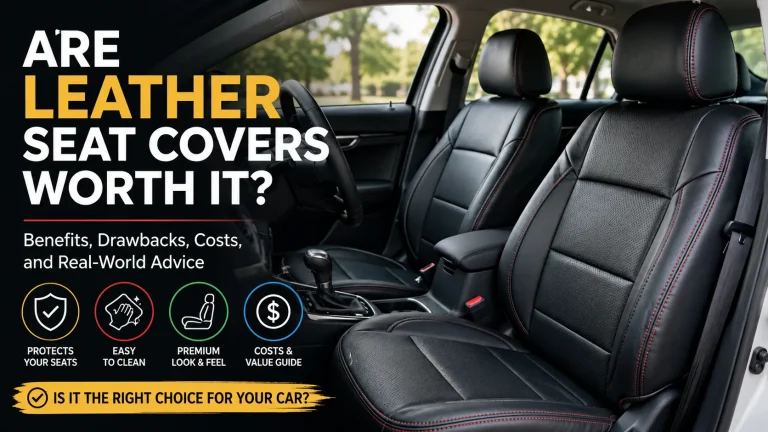
Quick Verdict Yes, leather seat covers are worth it when you want better protection, easier cleaning, and a more premium…
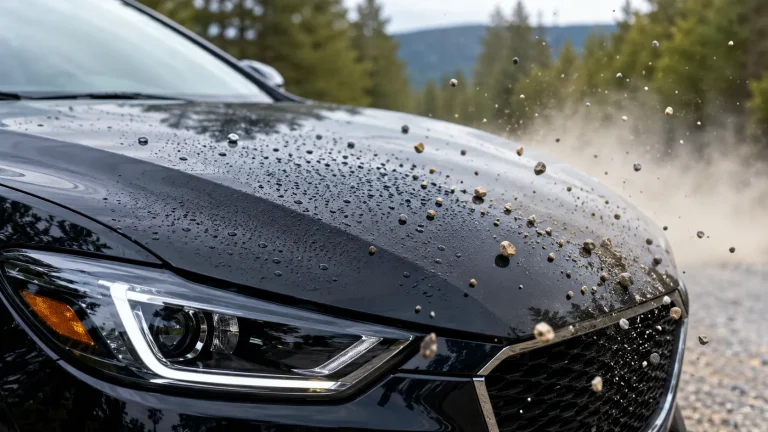
A ceramic coating makes your car easier to clean, but it does not make the paint maintenance-free. The wrong soap,…
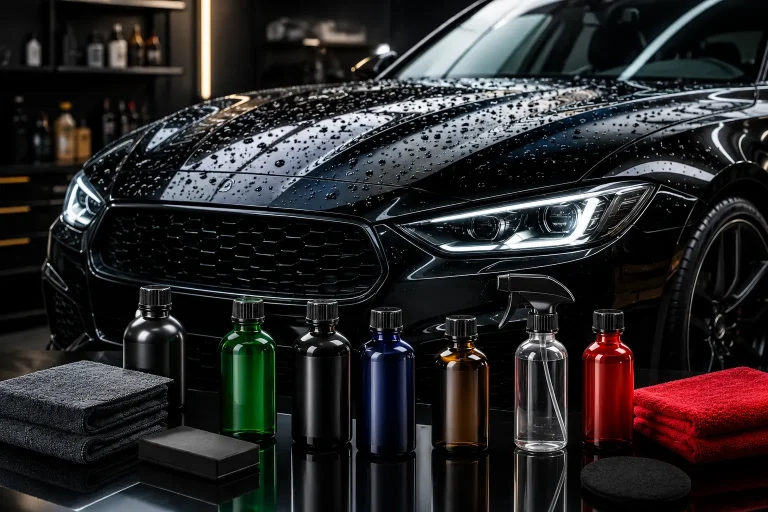
Quick Verdict Ceramic coating for headlights helps protect restored or new lenses from UV damage, yellowing, and oxidation. It works…
Quick Verdict Most ceramic coatings take about 24 to 48 hours to become safe from light exposure, but full curing…
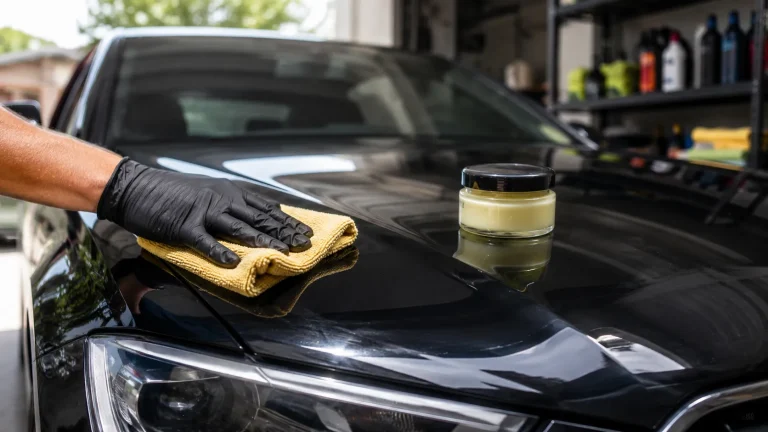
Quick Verdict Water spots on ceramic coating happen when mineral-heavy water dries on the surface. Ceramic coating helps water bead…
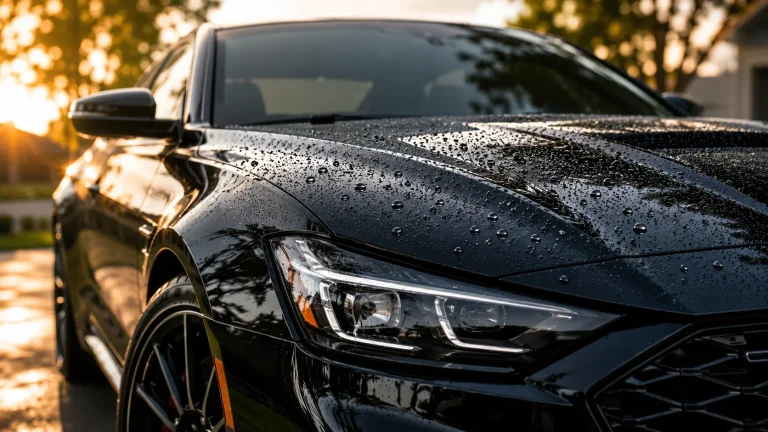
Quick Verdict The main disadvantages of ceramic coating are high cost, strict prep work, curing time, possible streaks or high…