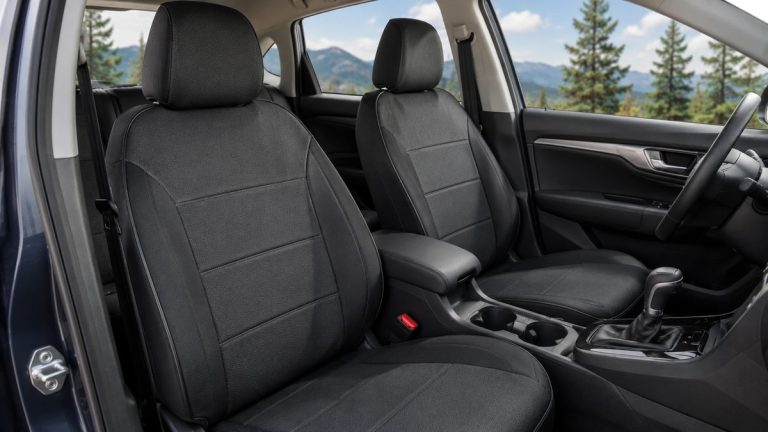
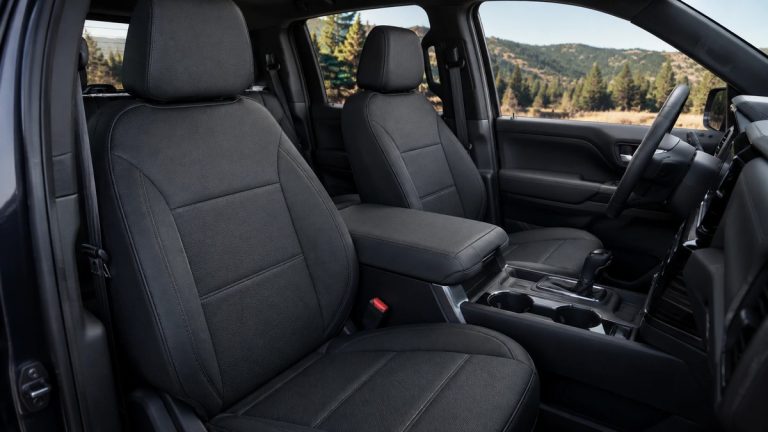
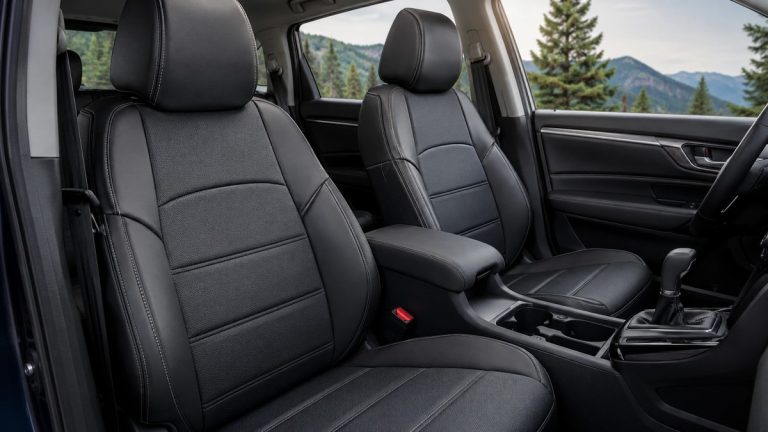
How Much Do Leather Seat Covers Cost? Complete U.S. Price Guide

Leather seat covers usually cost about $30 to $200 for universal synthetic sets, $300 to $700 or more for custom-fit covers, and $600 or more for custom genuine leather. A professionally installed replacement leather interior can start above $2,000. Your final cost depends on the material, number of seats, vehicle, fit, design, and installation.
Most drivers can expect to spend $80 to $200 for a useful leather-style seat cover set. Custom-fit leatherette often starts near $300, while genuine leather and professional upholstery upgrades can cost far more.
I’m Brandon Walker. I have bought seat covers for daily drivers, work trucks, family cars, and long road-trip vehicles.
One thing I learned fast is that “leather seat cover” can mean several different products. A $50 universal cover and a $2,000 replacement leather interior may appear in the same search, but they are not the same type of upgrade.
This guide explains the real price levels, hidden costs, fitment issues, and features that affect what you pay in the United States.
What Is the Average Cost of Leather Seat Covers?
For most shoppers, leather seat cover prices fall between $30 and $700. That wide range exists because sellers use the word “leather” for many different materials and designs.
Low-cost products are usually universal polyurethane leather or vinyl covers. They may cover only the seat cushion and backrest, or they may include basic covers for the front and rear seats.
Mid-range products often use thicker synthetic leather, stronger stitching, more padding, and a better vehicle-specific shape.
Premium products may use genuine automotive leather and custom patterns made for your exact year, make, model, trim, and seat layout.
Current custom-cover listings show leatherette products starting around $330 and genuine leather custom covers starting around $600, though the final price changes with the vehicle and seat configuration. :contentReference[oaicite:0]{index=0}
Leather Seat Cover Price Levels
- $30 to $80: Basic universal front-seat covers or cushion-only designs
- $80 to $200: Better universal or semi-custom sets with more coverage
- $200 to $400: Premium synthetic leather or entry-level custom-fit covers
- $400 to $700: Higher-grade custom leatherette or genuine leather options
- $700 to $1,500 or more: Multi-row genuine leather covers with added design work
- $2,000 or more: Professional replacement upholstery rather than removable covers
For most daily drivers, I recommend spending around $120 to $350 on a well-fitted synthetic leather set. This price level often gives you better stitching, easier cleaning, useful padding, and safer vehicle-specific openings without the cost of full reupholstery.
Why Leather Seat Cover Prices Vary So Much
The price depends on more than the word “leather.” Material quality, seat count, fit type, stitching, padding, safety design, and vehicle shape all affect the total.
1. The Type of Leather
Material is one of the biggest cost factors. Genuine leather usually costs more than synthetic leather because it uses animal hide and needs more processing.
Leatherette, polyurethane leather, and vinyl are man-made. These materials can look close to leather, resist spills, and cost less.
Bonded leather mixes leather fibers with synthetic binders. It may cost less than full-grain leather, but low-quality bonded material can peel as it ages.
2. Universal, Semi-Custom, or Custom Fit
Universal covers are made to fit many vehicles. They cost less because the maker does not create a special pattern for each seat.
Semi-custom covers offer a closer shape for common seat types. They may fit better than basic universal covers but can still leave wrinkles or loose areas.
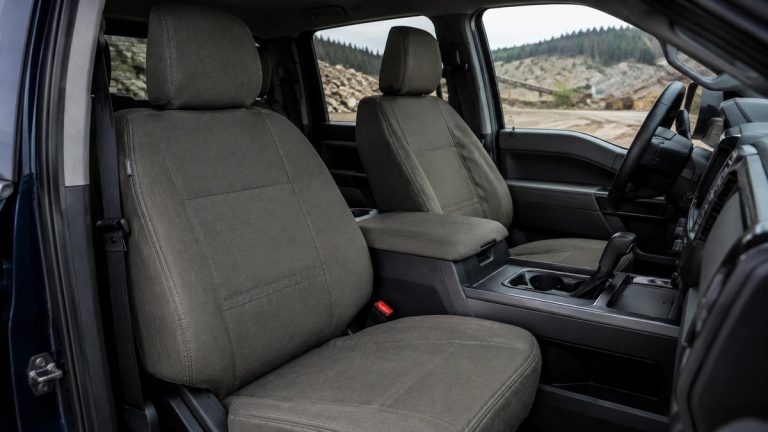
Custom-fit covers are made for a specific vehicle and seat layout. They may include openings for headrests, controls, armrests, storage pockets, and split rear seats.
3. The Number of Seats
A front-seat pair costs less than a complete three-row SUV set. Rear benches can also cost more when they have split-folding sections, built-in armrests, or several headrests.
4. Padding and Comfort Features
Extra foam, quilted panels, perforated sections, and reinforced side bolsters add material and labor. They can improve comfort, but thick padding may affect heated or ventilated seat performance.
5. Color and Stitching
Plain black covers are often the cheapest. Two-tone colors, diamond stitching, piping, logos, contrast thread, and special patterns can raise the cost.
6. Professional Installation
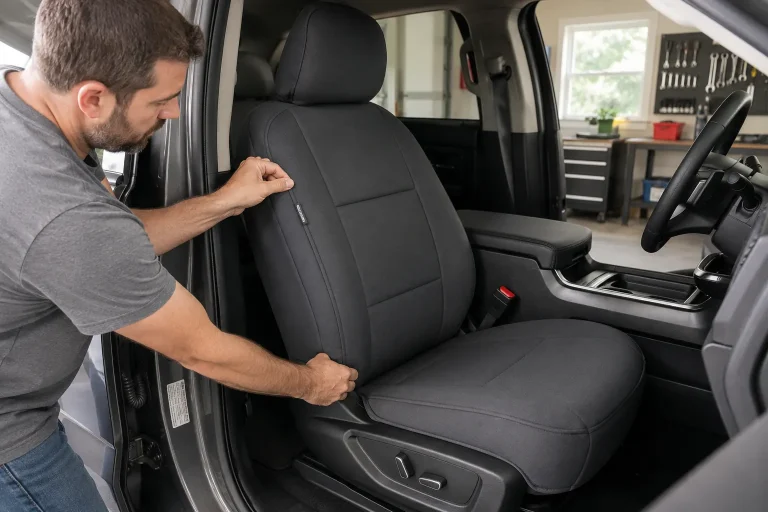
Slip-on covers are often designed for home installation. Replacement upholstery requires the factory cloth or leather skin to be removed, so professional labor adds a large amount to the bill.
Some premium replacement leather interiors currently start at about $2,195 for a two-row vehicle, depending on the vehicle and selected options. This is reupholstery, not a normal removable cover. :contentReference[oaicite:1]{index=1}
How to Estimate Your Leather Seat Cover Cost
You can build a useful budget before you start shopping. First, decide what you are actually trying to protect or change.
Decide whether you need one seat, a front pair, two rows, or a complete three-row set. Buying only the areas that need protection can lower the cost.
Select genuine leather for a natural premium feel. Choose quality leatherette when you want easier cleaning and a lower price.
A basic universal fit may work for temporary protection. Choose custom fit when appearance, stability, and access to seat features matter more.
Write down side airbags, heating, ventilation, power controls, armrests, headrests, split benches, child-seat anchors, and seat belt locations.
Some low prices cover one cushion or one row. Confirm whether headrest covers, rear-seat pieces, hooks, straps, and installation tools are included.
Include shipping, sales tax, professional labor, cleaning supplies, and any optional padding or custom stitching.
A higher price may make sense when the cover includes a useful warranty against seam failure, peeling, or material defects.
Do not compare prices until you confirm the number of seats included. A cheap listing may show a full interior in the photo but include only one front-seat cover in the box.
Why the Cost Matters for Car Owners
Seat covers can help protect factory upholstery from dirt, sweat, food, pets, sunlight, and normal wear. That protection may reduce the need for later seat repairs.
However, paying more does not always mean you receive genuine leather or a safer fit. The product details matter more than a premium-looking photo.
A well-fitted $150 synthetic set may be a better choice than a loose $500 cover that blocks controls or slides while driving.
Before shopping, compare more vehicle-specific options in our interior accessories guide. You can also visit our car care guide for help cleaning and protecting the upholstery under the covers.
Consumer Reports’ car maintenance guidance also explains why regular care can help prevent small vehicle problems from becoming larger expenses.
I once put a cheap universal leatherette cover in a road-trip car. It looked fine while parked, but it moved every time I entered the seat. A better semi-custom set cost more, yet it stayed flat, felt cooler, and stopped the constant need to adjust straps at fuel stops.
Pros and Cons of Leather Seat Covers
- Protect factory seats from daily wear
- Small spills are often easy to wipe
- Can give an older cabin a cleaner look
- Pet hair is usually easy to remove
- Available in many colors and stitch styles
- Custom-fit options can look close to factory upholstery
- Removable covers cost less than full reupholstery
- Low-quality material may peel or crack
- Dark covers can become hot in summer
- Loose covers may slide or wrinkle
- Thick designs can weaken heating and ventilation
- Custom-fit sets can become expensive
- Some covers may interfere with side airbags
- Genuine leather needs regular care
Leather Seat Cover Spec Sheet
Vehicle Compatibility Can Change the Price
Cars with simple bucket seats usually cost less to cover than vehicles with split benches, large bolsters, built-in armrests, several headrests, airbag seams, powered controls, heating, ventilation, and three rows.
A sedan with two basic front seats may need a simple two-piece set. A large SUV may require many separate panels for folding rows, cupholder armrests, and removable headrests.
Custom-fit manufacturers may ask for the exact trim level because two vehicles from the same model year can have different seat shapes.
Your vehicle may also have airbags inside the outer seatback. NHTSA has explained that aftermarket slip-on seat covers are not directly covered by a dedicated federal motor vehicle safety standard, and manufacturers may not be required to test every cover for side-airbag compatibility. :contentReference[oaicite:2]{index=2}
Review NHTSA’s air bag safety information, your owner’s manual, and the cover maker’s fitment instructions before installing any product over a seat-mounted airbag.
Leather Seat Cover Budget Estimate
These are broad U.S. shopping estimates. Your price may change with the vehicle, seller, shipping, design, material, sales tax, and installation needs.
Hidden Costs to Check Before Buying
The listed price is not always the final price. A complete budget should include every part needed to fit and maintain the cover.
- Shipping or oversized-package fees
- State and local sales tax
- Professional installation
- Extra rear-row pieces
- Headrest or armrest covers
- Custom colors and stitching
- Heating or ventilation options
- Leather cleaner and protectant
- Return shipping after a poor fit
- Replacement clips, hooks, or straps
- Confirm whether the material is genuine leather or synthetic leather
- Check exactly how many seats the listed price covers
- Match the cover to your vehicle year, make, model, and trim
- Confirm side-airbag compatibility
- Check access to seat belts and child-seat anchors
- Verify heated and ventilated seat support
- Look for openings for headrests, controls, and armrests
- Read the cleaning instructions
- Check the warranty and return policy
- Add shipping, tax, and installation to the total
Installation Tips for Leather Seat Covers
- Vacuum and clean the factory upholstery first
- Let the original seat dry fully before installation
- Warm stiff synthetic covers indoors before fitting them in cold weather
- Match the driver and passenger pieces carefully
- Keep side-airbag seams and labels clear
- Route straps away from electrical wiring and seat motors
- Do not hook straps onto sharp metal edges
- Pull each section evenly to reduce wrinkles
- Keep seat belt buckles and controls easy to reach
- Move powered seats through their full range after installation
- Check and tighten the fit after one week of driving
A removable leather seat cover sits over the factory upholstery. Replacement leather upholstery removes the original seat skin and installs a new fitted surface. The second option usually costs much more because it needs more labor and often requires professional installation.
Never use a cover that blocks a seat-mounted airbag, seat belt buckle, child-seat anchor, adjustment control, or moving seat track. Do not attach hooks to wires. A poorly designed cover can affect seat operation and may interfere with side-airbag deployment.
How to Save Money Without Buying a Bad Cover
You do not need to buy the most expensive option. You need to spend money on the features that affect fit, safety, and useful life.
- Compare prices for the same seat count
- Choose a simple color and stitch pattern
- Buy only the rows that need protection
- Look for a clear fitment guarantee
- Choose strong seams and a smooth backing
- Check owner photos for fit problems
- Wait for major holiday sales when possible
- Buy only because the product photo looks premium
- Assume every “leather” cover uses genuine leather
- Ignore shipping and return costs
- Choose a loose cover for a seat with large bolsters
- Block airbag seams to save money
- Pay for extra padding you do not need
- Install a wet or dirty cover
If your vehicle has heated, ventilated, or power-adjustable seats, our car tech guide can help you think through accessory compatibility.
Edmunds’ maintenance resources also offer practical information for budgeting and caring for a vehicle over time.
A product described as a “full set” may not cover every surface. Some sets leave the factory seat sides, rear panels, center armrest, or headrests partly exposed.
Are Expensive Leather Seat Covers Worth It?
Expensive covers can be worth the money when they provide better fit, stronger material, safer seams, and useful coverage.
A high-quality custom set may be a good choice when you plan to keep the vehicle for years. It can also make sense for a truck, SUV, rideshare vehicle, or family car that gets heavy use.
Premium covers may not be worth it when you lease the car for a short time, need only temporary protection, or rarely use the vehicle.
I would pay more for vehicle-specific fit and confirmed airbag compatibility. I would not pay extra only for a logo, thick foam, or decorative stitching.
- Basic leather-style seat covers often cost $30 to $200.
- Custom-fit synthetic leather commonly starts near $300.
- Custom genuine leather covers may start around $600.
- Professional replacement leather interiors can start above $2,000.
- Seat count, material, fit, design, and labor control the final price.
- Safe fitment matters more than the lowest price.
Plan to spend $80 to $200 for a practical universal leather-style set or $300 to $700 or more for a better custom-fit option. Genuine leather and professional reupholstery cost much more. Choose the best cover that fits your vehicle, budget, seat features, and cleaning needs safely.
Leather Seat Cover Cost Comparison
| Cover Type | Typical U.S. Cost | Best For | What to Expect |
|---|---|---|---|
| Cushion-only leather-style cover | $20–$60 | Basic wear protection | Limited seat coverage |
| Universal front pair | $30–$80 | Low-cost daily use | Simple fit with straps |
| Universal full set | $80–$200 | Sedans and family cars | Front and rear coverage with variable fit |
| Semi-custom leatherette | $150–$350 | Better appearance and stability | Closer shape than a universal set |
| Custom-fit leatherette | $300–$700+ | Long-term daily use | Vehicle-specific shape and openings |
| Custom genuine leather cover | $600–$1,500+ | Premium cabin upgrades | Natural leather and higher material cost |
| Installed replacement leather interior | $2,195+ | Factory-style transformation | Original upholstery skin is replaced |
Cost Factors and Their Effect on Price
| Cost Factor | Lower-Cost Choice | Higher-Cost Choice | Why It Matters |
|---|---|---|---|
| Material | Vinyl or basic polyurethane | Genuine automotive leather | Changes feel, wear, and maintenance |
| Fit | Universal | Vehicle-specific custom fit | Custom patterns need more design work |
| Coverage | One seat or front pair | Two-row or three-row set | More seats require more material |
| Design | Single color and basic stitching | Two-tone, diamond stitch, or piping | Complex designs require more labor |
| Padding | Thin cover | Thick quilted foam | Extra layers raise material costs |
| Installation | Do-it-yourself slip-on cover | Professional upholstery replacement | Skilled labor can add a large cost |
| Vehicle Type | Simple two-seat layout | Three-row SUV with split seats | Complex layouts need more pieces |
| Safety Design | Basic non-airbag seat | Airbag-compatible custom seam | Correct engineering and fit are important |
Frequently Asked Questions
Universal leather-style covers often cost $30 to $200. Custom-fit options commonly cost $300 to $700 or more, depending on the material and vehicle.
Custom genuine leather covers may start around $600 and can exceed $1,500 for several rows, premium designs, or complex seat layouts.
A professionally installed replacement leather interior can start above $2,000. The price changes with the vehicle, material, seat count, and added features.
Yes. Leatherette and polyurethane covers usually cost less than genuine leather. They are also easier to wipe clean but may not feel or age like natural leather.
They can be worth it for better fit, less movement, cleaner looks, and access to vehicle features. Confirm airbag compatibility before buying.
Many slip-on covers support home installation. Replacement leather upholstery normally needs professional tools, seat removal, and installation experience.
Some thin covers work with heated seats, but thick foam can slow heat transfer. Use a cover approved for your seat features.
Yes. An incompatible cover may block the airbag tear seam. Use only a cover made for your exact airbag-equipped seat and follow the vehicle manual.
Conclusion: How Much Should You Spend?
Leather seat covers can cost less than a tank of fuel or more than a major vehicle upgrade. The right budget depends on what you expect the cover to do.
For simple protection, a $30 to $80 front set may be enough. For better daily use, I would budget $120 to $350 for stronger synthetic leather and a closer fit.
Choose custom-fit leatherette or genuine leather when you want a cleaner factory-style appearance and plan to keep the vehicle for years. Consider professional replacement upholstery only when you want a full interior transformation.
Always check what the listed price includes. Confirm the material, seat count, fitment, heating, ventilation, control access, and side-airbag design before ordering.
The best value is not always the cheapest leather seat cover. It is the one that fits safely, stays secure, protects the original upholstery, and holds up through your real driving life.
Editorial brief: :contentReference[oaicite:3]{index=3}