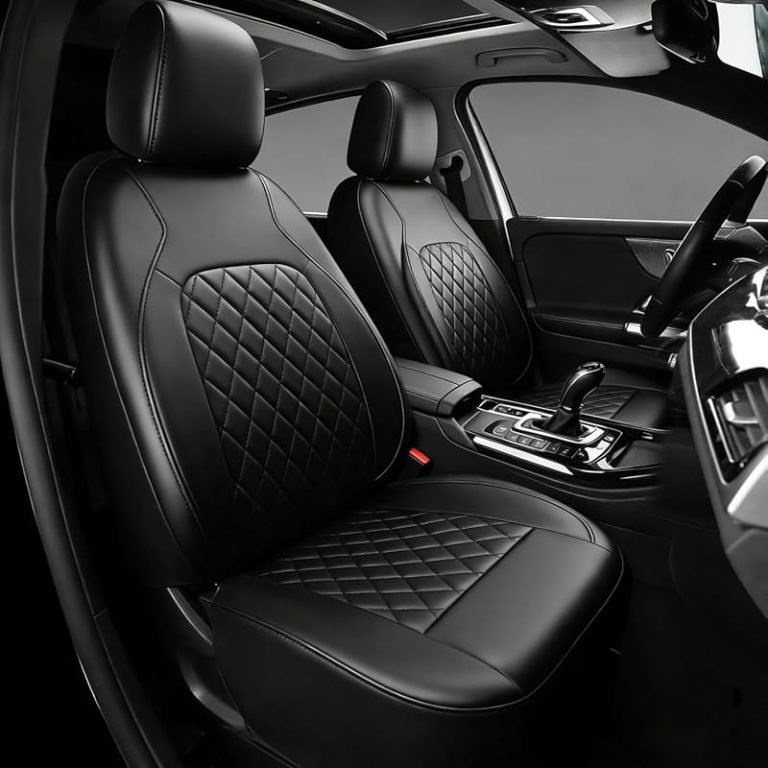
Do Seat Covers Protect Leather Seats From Cracking? A Practical Guide

Yes, seat covers can help protect leather seats from cracking. They reduce sun exposure, heat, friction, sweat, dirt, and spills. However, the cover must be breathable, clean, correctly fitted, and compatible with your vehicle’s airbags and seat features.
Seat covers protect leather by creating a barrier between the seat and the things that dry, stain, and wear it down. They cannot repair existing cracks, and they do not replace regular leather cleaning and protection.
I’m Brandon Walker. I have used seat covers in daily drivers, work vehicles, and family road-trip cars. They can make a big difference, especially when a vehicle sits outside or carries kids, pets, tools, and camping gear.
Still, I have also seen cheap covers cause trouble. A rough backing can rub against the leather. A wet cover can trap moisture. A thick cover may block a ventilated seat or interfere with a side airbag.
The goal is not just to cover the leather. The goal is to protect it without creating a new problem.
How Leather Car Seats Develop Cracks
Leather seats do not usually crack from one bad day. Damage builds slowly as the surface loses flexibility and gets worn by daily use.
Sunlight is one of the biggest problems. Ultraviolet light can fade the color and weaken the protective finish. Cabin heat can also dry the surface and speed up wear.
Every time you slide into the car, your clothes rub against the seat bolster. Jeans, belts, pocket tools, and metal buttons can create repeated friction in the same area.
Sweat, body oils, food, sunscreen, dust, and harsh cleaners can also damage the finish. Dirt is especially troublesome because small particles act like sandpaper when you move across the seat.
The Main Causes of Leather Seat Cracking
- Direct sunlight and ultraviolet exposure
- High cabin temperatures
- Dry leather or a worn protective coating
- Repeated rubbing on seat bolsters
- Sweat, body oils, sunscreen, and spills
- Dirt trapped between the cover and leather
- Strong household cleaners or solvents
- Long periods without cleaning or inspection
A seat cover can reduce several of these problems. It cannot stop normal aging, and it will not restore leather that has already split.
How Seat Covers Protect Leather Seats
A seat cover works as a removable protective layer. Instead of your clothes rubbing directly against the leather, they rub against the cover.
The cover also shades the seat. This can reduce direct ultraviolet exposure when sunlight enters through the windshield or side windows.
It catches sweat, crumbs, pet hair, sunscreen, and small spills before they reach the leather. When the cover becomes dirty, you can remove and clean it instead of scrubbing the original upholstery.
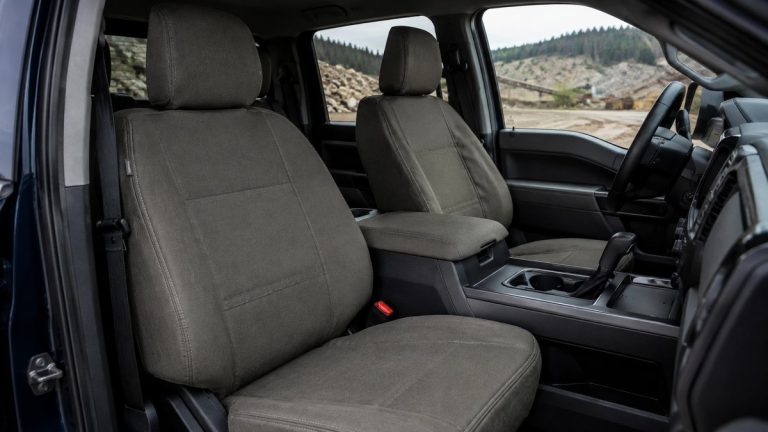
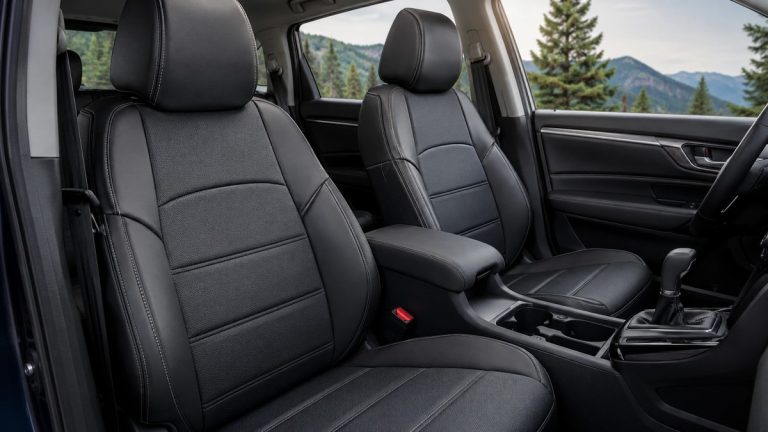
For long-term leather protection, I prefer a breathable, vehicle-specific seat cover with a smooth non-slip backing and clearly marked side-airbag compatibility. It usually fits better and moves less than a loose universal cover.
What Seat Covers Can and Cannot Do
- Reduce friction on the leather surface
- Block some sunlight from reaching the seat
- Catch sweat, dirt, crumbs, and spills
- Help protect high-wear seat bolsters
- Make pet hair and messes easier to manage
- Can hide minor cosmetic wear
- Cannot repair existing cracks
- May trap dirt or moisture underneath
- Can reduce heated or ventilated seat performance
- Poor fit may bunch, slide, or rub the leather
- Unsafe designs may interfere with side airbags
- Some materials become hot in summer
Seat covers are only one part of leather care. You still need to remove them from time to time, inspect the upholstery, and clean the leather with a suitable product.
For more cabin protection ideas, see our interior accessories guide. For cleaners and protectants, visit our car care guide.
How to Protect Leather Seats With Seat Covers
A good installation starts with clean, dry leather. Placing a new cover over grit, crumbs, or moisture can create more wear instead of less.
Look for side-airbag tags, seat controls, armrests, headrests, heating, ventilation, memory functions, and child-seat anchor access. Read the vehicle manual before covering the seat.
Use a soft brush attachment to remove grit from the cushion, seams, bolsters, and the gap between the seatback and lower cushion.
Apply a leather-safe cleaner to a microfiber towel rather than spraying the seat heavily. Wipe gently and follow the product directions.
Do not install a cover over damp leather. Allow the surface, seams, and perforations to dry fully before moving to the next step.
Use a product made for automotive leather. Avoid a greasy finish because it may attract dirt or make the cover slide.
Follow the cover maker’s instructions. Keep straps away from wiring, seat tracks, adjustment motors, airbag seams, and sharp metal parts.
Sit in the seat and move through your normal driving position. The cover should remain flat and should not block the seat belt buckle or controls.
Remove the cover every month or two. Shake out dirt, check for moisture, clean the leather, and inspect high-wear areas.
Pay close attention to the driver-side outer bolster. It often receives the most friction because you slide across it each time you enter or leave the car.
Why Leather Seat Protection Matters
Leather upholstery can be costly to repair. A small worn patch may be fixable, but deep cracks, torn bolsters, and damaged perforated panels may need professional restoration or replacement.
Good seat care also helps your car feel cleaner. That matters during daily driving, road trips, and resale inspections.
Seat covers are especially useful for vehicles that carry children, dogs, outdoor gear, work clothes, or sports equipment. They are also helpful when a car spends most of the day parked outside.
For broader vehicle ownership advice, Consumer Reports’ car maintenance coverage explains why regular care is often easier and less costly than waiting for damage to appear.
Drivers Who Benefit Most From Seat Covers
- Owners who park outside in strong sunlight
- Families with young children
- Pet owners
- Rideshare and delivery drivers
- People who commute in work clothes
- Drivers who eat or drink in the vehicle
- Owners planning to keep the car for many years
- Anyone trying to preserve a clean interior for resale
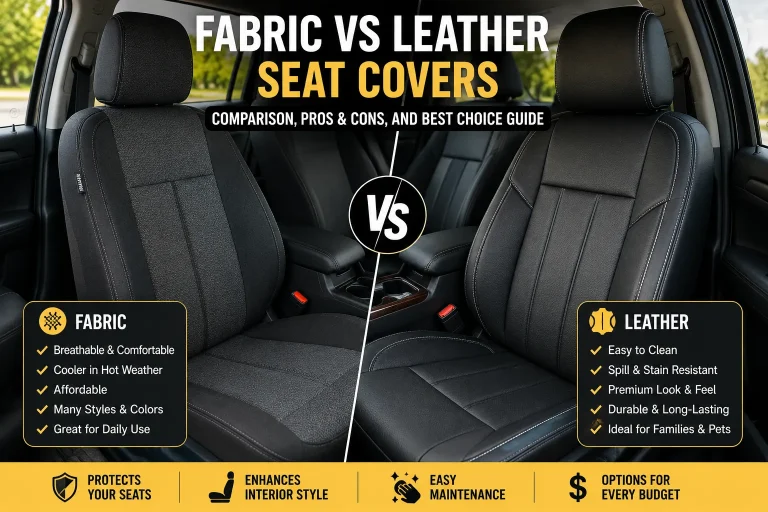
On long summer trips, I have found that a breathable fabric cover feels better than a thick waterproof cover. The waterproof option handles muddy gear well, but it can hold more heat and moisture during everyday driving. I use waterproof protection for messy trips and a breathable fitted cover for normal use.
Seat Cover Do’s and Don’ts
- Choose a cover made for your seat shape and features
- Confirm side-airbag compatibility
- Clean and dry the leather before installation
- Remove the cover for regular inspections
- Wash the cover according to its care label
- Use a smooth, nonabrasive backing
- Keep seat controls and belt buckles clear
- Install a cover over wet or dirty leather
- Use a loose cover that slides during driving
- Place hooks around electrical wiring
- Cover an airbag seam with an unapproved design
- Ignore reduced seat heating or ventilation
- Leave spills trapped under the cover
- Use harsh household cleaners on leather
What to Look for in a Leather-Safe Seat Cover
- Confirm the exact year, make, model, and seat style
- Check whether airbags deploy from the seatback
- Look for openings for headrests, armrests, and controls
- Check support for heated or ventilated seats
- Choose a backing that will not scratch or dye the leather
- Read the washing and drying instructions
- Check whether the cover includes separate pieces for split rear seats
- Make sure child-seat anchors remain accessible
Seat Cover Compatibility and Fitment
A “universal fit” label does not mean the cover is safe for every seat. Check the seat shape, built-in airbags, headrests, armrests, heating, ventilation, power controls, seat-belt locations, and child-seat anchors before installation.
Modern seats may contain airbag modules, heating elements, ventilation fans, occupancy sensors, wiring, and powered adjustment parts. A seat cover must not block or strain these systems.
Some universal covers have special side seams designed to open during airbag deployment. Others do not. Never assume a cover is airbag compatible just because it fits over the seat.
Review NHTSA’s air bag safety guidance, your owner’s manual, and the cover maker’s fitment information before covering a seat with a built-in side airbag.
Heated and Ventilated Seat Compatibility
Thin, breathable covers may work with some heated seats, but heat output may feel weaker. Thick foam, waterproof layers, and dense padding can slow heat transfer.
Ventilated seats need open airflow through small holes in the upholstery. A solid cover can block that airflow almost completely.
Our car tech guide covers more cabin electronics and features that may affect accessory compatibility.
Most automotive leather has a protective surface coating. Use products made for coated automotive leather, and avoid soaking perforated sections where liquid may enter the foam, heating elements, or ventilation system.
How Much Do Good Seat Covers Cost?
Prices depend on fit, material, number of seats, airbag design, and added features. Universal covers cost less, while custom-fit covers usually look cleaner and move less.
These are broad U.S. price ranges. Vehicle-specific covers for trucks, luxury cars, split rear benches, or seats with many controls may cost more.
I would rather buy one secure, compatible cover than replace several cheap covers that slide, tear, or leave marks.
Installation Tips for Better Leather Protection
- Park in the shade so the leather is cool during installation
- Vacuum seams and bolsters before fitting the cover
- Let cleaned leather dry fully
- Match the driver and passenger covers to the correct seats
- Keep airbag seams and labels uncovered
- Route straps away from wiring and seat tracks
- Tighten the cover evenly instead of pulling one side too hard
- Move the seat through its full adjustment range after installation
- Check that the cover does not press seat-control buttons
- Inspect the fit again after the first week of driving
Do not use a seat cover that blocks a seat-mounted airbag, seat belt buckle, child-seat anchor, adjustment control, or moving seat track. Never attach hooks or straps to electrical wiring. When fitment is unclear, stop and check the vehicle manual or ask a qualified installer.
Can a Seat Cover Make Leather Crack Faster?
Yes, a poor cover or poor maintenance can make damage worse.
A loose cover may slide over the leather each time you enter the car. That movement can create repeated rubbing on the bolsters and seat edges.
Dirt trapped under the cover can act like grit under sandpaper. Moisture can also become trapped after a spill, wet swimsuit, sweaty workout, or open-window rain.
Dark waterproof materials may become very hot in direct sunlight. Some rubberized backings can also stick to a warm surface or leave marks if they are not made for automotive leather.
Signs Your Seat Cover Is Causing Trouble
- New shiny rub marks on the leather
- Color transfer from the cover
- A damp or musty smell
- Wrinkles that were not present before
- Loose fabric sliding across the bolster
- Reduced seat ventilation
- Unusually slow or uneven seat heating
- Straps touching wires or moving seat parts
Remove the cover when you notice any of these signs. Clean and inspect the seat before using the cover again.
The outer driver-seat bolster often wears faster than the center cushion because it takes your weight and clothing friction every time you climb into the vehicle.
Should You Condition Leather Under Seat Covers?
You should still clean and protect covered leather, but more product is not always better.
Many modern leather seats have a coated surface. Use a cleaner and protectant made for automotive upholstery. Follow the product directions and use a light coat.
A thick, oily layer can attract dust, make the cover move, and leave the seat feeling greasy. Always wipe away excess product before reinstalling the cover.
Edmunds’ vehicle maintenance resources can also help owners build a broader routine for caring for the rest of the vehicle.
A Simple Maintenance Schedule
- Every one to two weeks: Remove crumbs, pet hair, and visible dirt from the cover.
- Every one to two months: Remove the cover and inspect the leather.
- After a spill: Remove the cover as soon as it is safe and dry both surfaces.
- Before a hot season: Check exposed bolsters and apply a suitable protectant.
- After muddy or wet trips: Wash and dry the cover before reinstalling it.
- Seat covers can reduce sunlight, friction, sweat, dirt, and spill damage.
- Breathable, secure, vehicle-compatible covers are the safest long-term choice.
- The cover must not block airbags, controls, belts, heating, ventilation, or child-seat anchors.
- Covered leather still needs regular cleaning and inspection.
- Dirty, wet, rough, or loose covers may cause extra wear.
Yes, seat covers protect leather seats from cracking when they fit well and stay clean. Choose a breathable, airbag-compatible cover, install it over clean and dry leather, and remove it regularly for inspection. Think of the cover as a shield, not a replacement for leather care.
Quick Reference Tables
Leather Damage Problems and Solutions
| Problem | Common Cause | How a Seat Cover Helps | Extra Action Needed |
|---|---|---|---|
| Fading | Sunlight and ultraviolet exposure | Shades the leather surface | Use a windshield shade and park in shade |
| Dry surface | Heat, age, and poor care | Reduces direct heat and contamination | Use a suitable leather protectant |
| Worn bolster | Repeated entry and exit friction | Creates a replaceable wear layer | Choose a tight, smooth fit |
| Stains | Food, drinks, sweat, and sunscreen | Catches many spills and contaminants | Clean spills quickly |
| Scratches | Pets, tools, zippers, and sharp objects | Adds a barrier over the leather | Use padded protection for pets or cargo |
| Trapped moisture | Wet cover or hidden spill | May make the problem worse | Remove and dry the cover immediately |
Seat Cover Types Compared
| Cover Type | Best Use | Leather Protection | Main Concern |
|---|---|---|---|
| Custom-fit breathable fabric | Daily driving and long-term use | Strong overall protection | Higher purchase price |
| Semi-custom fabric | Budget daily protection | Good when secured correctly | Fit varies by seat shape |
| Waterproof or neoprene-style | Pets, mud, water, and outdoor trips | Excellent spill protection | May trap heat and moisture |
| Towel-style cover | Gym trips and short-term use | Good temporary sweat protection | Can slide during normal driving |
| Padded cover | Extra comfort on basic seats | Good friction protection | May weaken heating or ventilation |
| Cheap loose universal cover | Short-term emergency use | Limited and inconsistent | May bunch, rub, or block features |
Frequently Asked Questions
Seat covers can reduce the sunlight, heat, friction, sweat, dirt, and spills that lead to cracking. They cannot stop all aging or repair leather that is already cracked.
Yes. A loose, dirty, wet, rough, or poorly fitted cover can rub the leather, trap moisture, transfer color, or leave marks.
A breathable automotive fabric with a smooth, nonabrasive backing is a good choice for daily use. The cover should fit securely and support your seat’s safety features.
Yes, when the vehicle maker and leather-care product allow it. Clean the seat first, apply a light coat, remove excess product, and let the surface dry fully.
Only use covers clearly designed for seats with built-in side airbags. Check the vehicle manual and the cover maker’s fitment instructions before installation.
Some thin covers work with heated seats, but they may reduce heat transfer. Solid or thick covers can greatly reduce the airflow from ventilated seats.
For many daily drivers, checking the leather every one to two months is practical. Remove the cover sooner after spills, wet trips, or heavy dirt.
Conclusion: Are Seat Covers Worth Using on Leather?
Seat covers are worth using when you choose the right type and maintain them. They can protect leather seats from many of the conditions that cause fading, wear, and cracking.
My practical recommendation is a breathable, secure, vehicle-specific cover for normal driving. Use a waterproof cover only when you need extra protection from mud, pets, wet clothing, or outdoor gear.
Before installation, clean and dry the leather. Confirm compatibility with side airbags, heated or ventilated seats, controls, seat belts, and child-seat anchors. After installation, remove the cover regularly so dirt and moisture cannot hide underneath.
Do those simple things, and a good seat cover can help your leather stay cleaner, softer, and better-looking for many more miles.