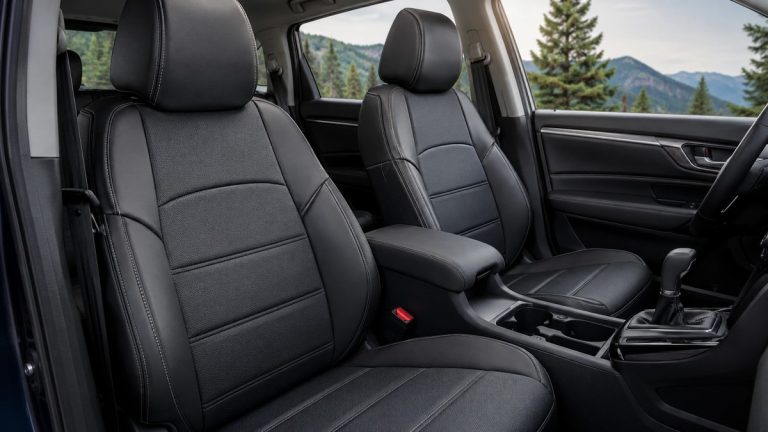
Can Leather Seat Covers Be Washed? A Complete Maintenance Guide

Yes, leather seat covers can be washed, but they require careful handling. Use lukewarm water with mild soap or dedicated leather cleaner, avoid machine washing, and never use harsh chemicals. Proper maintenance keeps them looking new for years.
I’ve owned leather seat covers for years now, and the biggest misconception I hear is that they can’t be cleaned at all. That’s completely false. Leather seat covers are durable and surprisingly easy to maintain if you know what you’re doing. The key is understanding the difference between gentle spot cleaning and aggressive washing methods.
I’m going to walk you through everything I’ve learned about washing leather seat covers—what works, what doesn’t, and how to keep them in perfect condition without damaging the material.
What You Can and Cannot Do With Leather Seat Covers
Leather isn’t like fabric seat covers. It’s a natural material that needs respect, but it’s tougher than most people think. I’ve learned through trial and error which cleaning methods work and which ones will ruin your investment.
The golden rule: never use a washing machine, high-pressure water, or anything with bleach, alcohol, or strong solvents. These will strip the protective finish and damage the leather permanently. I’ve seen it happen to friends who tried shortcuts, and it always ends badly.
The Right Way to Wash Leather Seat Covers
Most aftermarket leather seat covers can be removed from your seats. This makes cleaning much easier and gives you access to all sides. If yours are permanently attached, that’s okay—you can still clean them in place.
Use a soft-bristle brush or vacuum attachment to remove dust, crumbs, and debris. This step prevents you from dragging dirt across the leather during wet cleaning.
Mix lukewarm water (never hot) with a tiny amount of mild liquid soap or use a dedicated leather cleaner like leather care products recommended by Popular Mechanics. The water should be barely soapy—you want it gentle, not sudsy.
Always test your cleaning solution on a hidden area of the seat cover (like underneath or in a corner) to make sure it doesn’t cause discoloration or damage.
Dip your microfiber cloth into the solution and wring it out completely—you want damp, not wet. Wipe the entire surface gently in circular motions. For stubborn stains, let the cloth sit on the spot for 30 seconds, then gently wipe.
Don’t let your leather seat covers air-dry. Use a soft, dry towel to absorb all moisture right away. This prevents water marks and keeps the material from stiffening.
After the covers are completely dry, apply a leather conditioner to maintain softness and water resistance. This step is crucial—it’s what separates well-maintained leather from dry, cracked leather.
I clean my leather seat covers once a month with this exact process, and they still look like new after three years. The time investment is minimal—about 20 minutes start to finish—and the results are worth it.
How to Handle Tough Stains
Not all dirt is created equal. Coffee spills, pet stains, and mud require different approaches, but the principle stays the same: act fast and be gentle.
- Blot spills immediately with a soft cloth—don’t rub
- Use distilled water for stubborn stains to avoid mineral deposits
- Let dried stains sit with a damp cloth for 60 seconds before wiping
- Use a leather-specific stain remover for tough marks
- Test any cleaner on an inconspicuous area first
- Never use vinegar, alcohol, or acetone-based products
- Don’t scrub aggressively—this scratches the finish
- Avoid using a bristle brush directly on the leather surface
- Never let spills dry without attempting to clean them
- Don’t use leather conditioner on wet or damp covers
For dried stains (like coffee or mud), lightly dampen a cloth with your cleaning solution and place it over the stain for a minute or two. This softens the dried material without aggressive scrubbing. Then wipe gently. This method works for 90% of the stains I’ve encountered.
Leather Types Matter: Full-Grain vs. Bonded Leather
Not all leather is the same, and I’ve learned this the hard way. If your seat covers are bonded leather (lower quality, more affordable), they need extra care and drying time. If they’re full-grain, they’re more forgiving and develop a beautiful patina over time as they age.
Check your seat cover documentation to see what type of leather you have. Full-grain and top-grain respond beautifully to conditioning and can handle regular washing. Bonded leather requires gentler treatment and dries faster, so be especially careful not to over-wet it.
Drying and Storage: Critical Steps
This is where most people mess up. They clean their leather seat covers well but then let them sit damp or in direct sunlight, which causes cracking and discoloration.
- Always air-dry in shade. Direct sunlight fades leather and can cause cracking.
- Use a fan if available. A gentle airflow speeds up drying without heat damage.
- Never use a hair dryer or heat gun. Heat makes leather brittle and can melt some components.
- Condition while slightly damp (not wet). This helps the conditioner absorb properly and locks in moisture.
- If storing long-term, keep them cool and dry. Room temperature in a closet or storage area is ideal.
Leather is porous and breathes like skin. Over-conditioning can clog the pores and make it feel sticky. Once a month is usually enough—unless you live in a very dry climate or the covers get heavy use.
When to Use Professional Cleaning
For most people, at-home cleaning with soap and water works perfectly fine. But there are situations where professional leather cleaning is worth the investment.
- Deep, set-in stains that won’t respond to home cleaning
- Mold or mildew from long-term moisture exposure
- Large damaged areas that need color restoration
- Premium leather seat covers worth $1,000+ (insurance of professional handling)
Professional cleaners have access to specialty solvents and conditioning products that aren’t available to consumers, and they know how to handle delicate situations without causing damage. If your covers are high-end or heavily damaged, it’s worth the $100–$300 investment.
Maintenance Schedule: Keep Them Looking New
| Frequency | Task | What It Does |
|---|---|---|
| Weekly | Vacuum/brush | Removes dust and debris before it settles into pores |
| Monthly | Spot cleaning | Addresses fresh stains while they’re easiest to remove |
| Every 3 months | Full wash + condition | Deep clean and moisture replenishment |
| Annually | Professional inspection | Checks for wear, damage, or spots you may have missed |
This schedule keeps leather seat covers in excellent condition for years. Think of it like brushing your teeth—small frequent efforts prevent big problems down the road.
Common Mistakes That Damage Leather Seat Covers
- Using a pressure washer or machine washer—this destroys the leather permanently
- Leaving spills to dry without cleaning—they set into the material and become permanent stains
- Using household cleaners like Windex or furniture polish—wrong formula for leather
- Over-conditioning—makes the leather feel sticky and doesn’t improve appearance
- Storing in direct sunlight—causes fading and cracking
- Ignoring small tears or damage—they expand without protection
- Using colored cloths when wet—dyes can transfer to the leather
Never leave leather seat covers wet or damp for extended periods. This can cause mold growth inside the covers, which not only damages the material but can also create health hazards when you’re driving. Always dry completely and ensure good ventilation during the drying process.
Cost-Effective Cleaning Solutions
The good news? Proper leather maintenance is cheap. For about $40 per year, you can keep your seat covers looking brand new. Compare that to replacing damaged covers or paying for professional repair, and the math is obvious.
I recommend buying quality products from the start. Budget leather cleaner ($10) works almost as well as premium options ($30), so there’s no need to overspend. A single bottle of each cleaner and conditioner lasts 6–12 months with monthly use.
Leather vs. Fabric Seat Covers: Maintenance Comparison
| Factor | Leather Seat Covers | Fabric Seat Covers |
|---|---|---|
| Cleaning Method | Damp cloth with mild soap | Can handle machine washing (check label) |
| Drying Time | 2–4 hours | 30 minutes to 1 hour |
| Maintenance Frequency | Monthly cleaning + conditioning | Spot cleaning as needed |
| Lifespan with care | 5–10 years | 3–5 years |
| Effort Level | Moderate (but worth it) | Low to moderate |
| Cost to replace | $400–$1,500 | $200–$800 |
Leather requires more upkeep than fabric, but the payoff is longevity and that premium look. Browse our interior accessories guide for other maintenance products and seat cover options that might suit your needs.
If you’re hesitant about leather because of maintenance, start with bonded leather seat covers. They’re affordable ($100–$300), easier to clean, and give you a feel for the commitment. Once you see how durable and long-lasting they are, you might invest in full-grain leather for your next set.
- Yes, leather seat covers can absolutely be washed—but gently and the right way
- Use only lukewarm water and mild soap; avoid harsh chemicals and machines
- Dry immediately and always condition afterward to maintain durability
- Follow a simple monthly cleaning routine to keep covers looking new for years
- Professional cleaning is optional but valuable for stubborn stains or high-end covers
- The small maintenance investment pays off in longevity and appearance
Leather seat covers are worth the effort. With basic care—gentle washing once a month, immediate drying, and regular conditioning—your covers will stay beautiful for 5–10 years. It’s one of the smartest investments you can make for your car’s interior, and the maintenance is simpler than most people think. Start with quality leather cleaner and conditioner, stick to the process, and enjoy premium seat covers that actually last.
FAQ
No, never. Machine washing will destroy the leather—it causes cracking, peeling, and permanent damage. Always hand-wash with a damp cloth and mild soap only.
Look for products labeled “leather cleaner” or “leather care” from brands like Leather Honey, Chamberlain’s, or Meguiars. Avoid all-purpose cleaners. Budget options work fine—you don’t need to spend $30+ per bottle.
Once a month is ideal if you clean monthly. In very dry climates, every 2–3 weeks helps prevent cracking. Over-conditioning (more than monthly) can make leather feel sticky, so don’t overdo it.
No. Armor All and similar products are formulated for plastic and rubber, not leather. They leave a greasy film that damages leather over time. Stick to leather-specific conditioners.
This usually happens from moisture. Wipe with a cloth dipped in white vinegar (diluted 50/50 with water), then dry completely in sunlight if possible. For heavy mold, professional cleaning is recommended.
Check your product documentation. Full-grain feels natural and slightly textured; bonded leather feels uniform and smoother. Bonded leather is thinner and requires gentler, faster drying than full-grain.
Minor cracks can sometimes be hidden with color-matched leather conditioner, but deep cracks or peeling usually require professional restoration or replacement. Prevention through regular care is much easier than fixing damage.
Conclusion
I used to think leather seat covers were high-maintenance and fragile, but after years of owning and maintaining them, I can tell you they’re actually quite resilient if you treat them right. The difference between leather covers that look pristine after five years and ones that look beat-up is simply consistency—a few minutes of monthly maintenance makes all the difference.
Your investment in quality seat covers deserves the same care you’d give the rest of your vehicle. By following this guide and sticking to a simple cleaning routine, you’ll keep your leather seat covers looking new for a decade or more. That’s not just good for your car’s appearance—it’s smart money sense too.
Ready to invest in quality seat covers? Check out our car care guide for more maintenance products and tips, or explore our full collection at Autostin for all your interior gear needs.