Ceramic Coating for Headlights: Does It Really Restore Clarity and Protection?
Ceramic coating for headlights helps protect restored or new lenses from UV damage, yellowing, and oxidation. It works best after proper headlight restoration and can extend clarity for years with minimal maintenance.
If your headlights look foggy, yellow, or dim, ceramic coating is one of the best long-term protection steps after restoration. It seals the lens, blocks UV damage, and keeps your lights brighter for longer drives at night.
I’m Brandon Walker, and I’ve worked on enough old cars and road trip rigs to know one thing: dull headlights are more than just ugly—they’re a safety risk on dark highways.
What Is Ceramic Coating for Headlights?
Ceramic coating is a liquid polymer that bonds with the surface of your headlight lens. It creates a thin protective layer that shields against UV rays, dirt, road grime, and oxidation.
After reading through automotive detailing guides like Consumer Reports headlight restoration tips, one thing is clear: protection matters just as much as cleaning.
This topic is also closely related to full exterior protection systems, which you can explore in our exterior accessories guide for more long-term car care upgrades.
How Ceramic Coating Works on Headlights
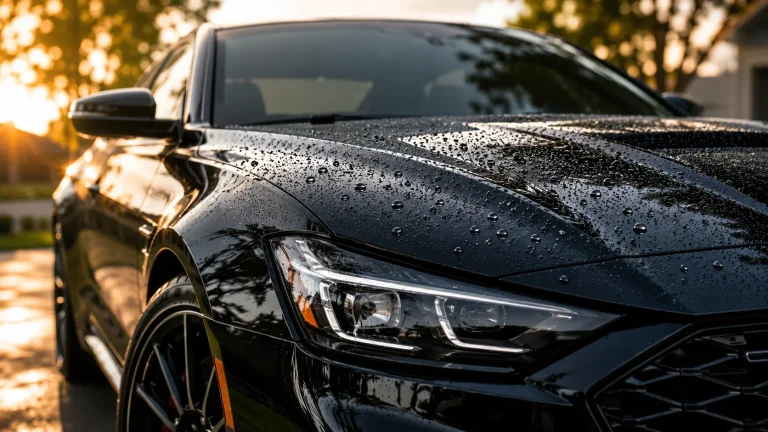
The coating forms a chemical bond with the plastic lens. This creates a hydrophobic surface, meaning water, dust, and grime slide off more easily.
It also slows down oxidation, which is the main reason headlights turn yellow over time.
Remove dirt, grease, and old oxidation using a proper headlight cleaner or sanding kit.
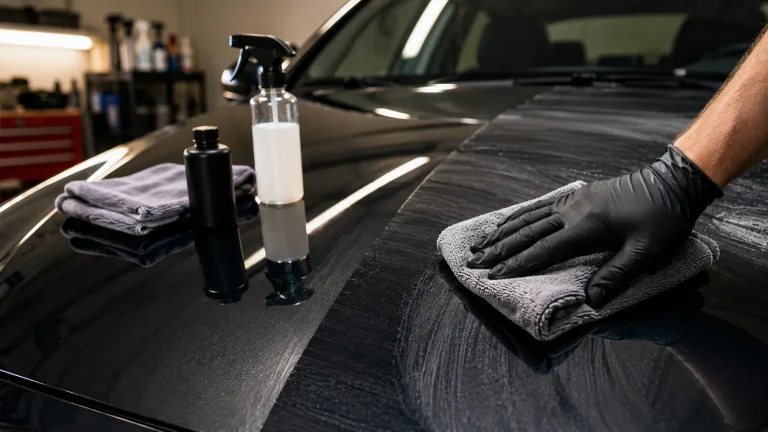
Spread a thin layer evenly across the headlight surface using an applicator pad.
Why Ceramic Coating Matters for Drivers
Driving with cloudy headlights reduces visibility at night. That directly affects safety on highways and rural roads.
The NHTSA reports that visibility issues are a major factor in nighttime driving accidents. Clear headlights help reduce that risk significantly.
This is why I always recommend adding protection after restoration. If you already invest in car care, it makes sense to protect it long-term using methods explained in our car care guide.
I tested ceramic-coated headlights on an older sedan during a late-night highway drive. The difference in beam clarity was obvious, especially in rainy conditions where reflections usually reduce visibility.
- Long-lasting UV protection
- Improves headlight clarity
- Needs proper prep work
- Not effective on heavily cracked lenses
Ceramic coating works on most modern cars with polycarbonate headlights. It is not a fix for cracked or deeply oxidized lenses that require replacement.
- Always apply in a shaded area
- Let surface fully dry before coating
- Use thin layers instead of heavy coats
Ceramic coating does not “restore” headlights by itself. It only protects the surface after cleaning or sanding is completed.
Do not apply coating on dirty or wet lenses. Poor prep can trap contaminants and reduce visibility at night.
Most headlight yellowing is caused by UV exposure breaking down the outer plastic layer over time.
- Best used after restoration
- Extends headlight clarity
- Improves night driving safety
Ceramic coating for headlights is a smart long-term protection step. If you care about safety and visibility, it’s worth adding after cleaning or restoration.
| Method | Durability | Cost |
|---|---|---|
| Basic Polishing | 3–6 months | Low |
| UV Sealant | 6–12 months | Medium |
| Ceramic Coating | 2–5 years | Higher upfront |
| Condition | Recommended Action | Result |
|---|---|---|
| Light haze | Clean + coat | Clear finish |
| Yellowing | Sand + coat | Restored clarity |
| Cracked lens | Replace | Full safety recovery |
No. It protects and seals after cleaning or restoration, but it does not remove heavy oxidation by itself.
Most coatings last between 2 to 5 years depending on driving conditions and maintenance.
Yes, ceramic coating offers longer protection and stronger resistance to UV damage.
Yes, it is a DIY-friendly process if you follow proper cleaning and application steps.
Only if the headlights are heavily oxidized or yellowed. Light haze may not require sanding.
In the end, ceramic coating is not magic, but it is one of the most effective ways to protect restored headlights. If you want safer night driving and fewer repeat restorations, this is a smart upgrade that pays off over time.