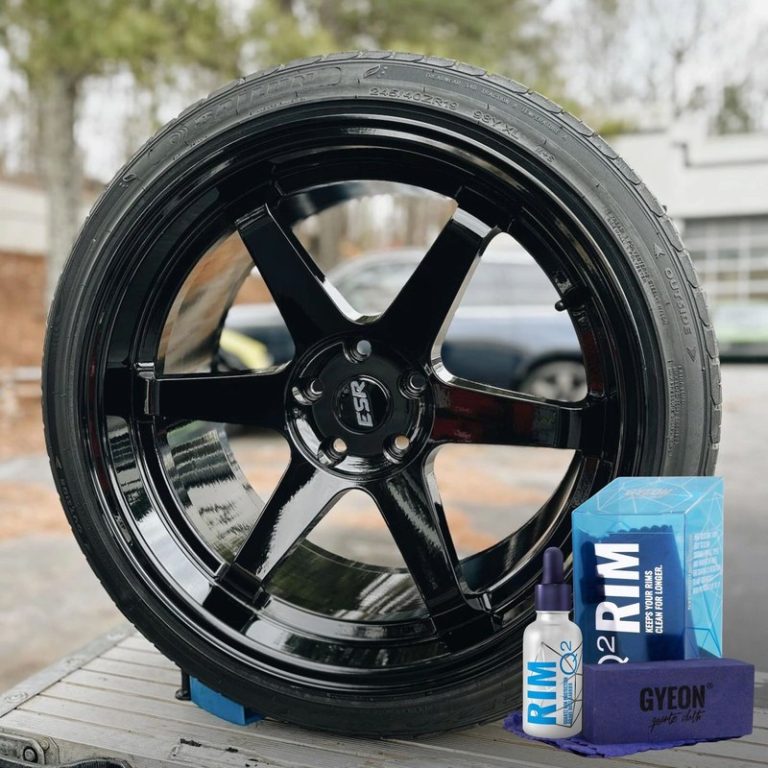
Disadvantages of Ceramic Coating: What Car Owners Should Know
The main disadvantages of ceramic coating are high cost, strict prep work, curing time, possible streaks or high spots, and the fact that it does not stop rock chips, deep scratches, dents, or poor washing habits. It can be a smart paint protection upgrade, but it is not magic armor for your car.
Ceramic coating can make your car easier to clean and help protect the paint, but it also has real limits. Before you buy a DIY kit or pay a professional detailer, you should know what ceramic coating cannot do.
I’m Brandon Walker, and I like ceramic coatings when they are used for the right reason. They help with gloss, water beading, and easier washing. But I have also seen drivers expect too much from them.
A coating will not save bad paint prep. It will not stop every scratch. It will not replace paint protection film. And if you install it wrong, it can leave marks that are harder to fix than normal wax or sealant.
What Are the Disadvantages of Ceramic Coating?
The biggest disadvantages of ceramic coating are cost, prep work, application risk, cure time, and unrealistic expectations.
Ceramic coating works best on clean, smooth, healthy paint. If the paint has swirl marks, water spots, oxidation, or bonded grime, the coating can lock those defects under the surface.
That is why a cheap bottle can turn into a bigger project. You may need wash soap, clay, polish, panel prep, towels, gloves, and time before the coating even touches the paint.
If you are building a simple detailing setup, our car care guide can help you connect ceramic coating with washing, polishing, and paint protection basics.
1. Ceramic Coating Can Be Expensive
Cost is one of the first drawbacks. A ceramic spray may be cheap, but a true ceramic coating job can cost much more.
Professional ceramic coating often costs more because the detailer has to wash, decontaminate, polish, wipe down, apply, level, and inspect the coating. The labor is a big part of the price.
If the paint needs correction, the bill can rise fast. A black SUV with swirl marks will take more work than a small white sedan with clean paint.
| Option | Typical Cost | Main Disadvantage | Best For |
|---|---|---|---|
| Ceramic spray | $20–$50 | Shorter durability | Beginners and easy maintenance |
| DIY ceramic coating kit | $40–$150 | Needs careful prep and application | Hands-on car owners |
| Premium DIY coating | $75–$200 | Less forgiving if applied wrong | Detailing hobbyists |
| Professional ceramic coating | $500–$2,000+ | High upfront cost | Long-term protection |
| Professional coating with paint correction | $1,000–$3,000+ | Very expensive for older cars | High-value or long-term vehicles |
For a full cost breakdown, compare this with our guide on ceramic coating price.
2. Ceramic Coating Does Not Stop Rock Chips
This is one of the biggest misunderstandings. Ceramic coating does not stop rock chips.
A coating can add slickness and chemical resistance, but it is not thick like paint protection film. Small rocks, gravel, and highway debris can still chip your paint.
If you drive a lot on highways, construction roads, or gravel roads, paint protection film is better for impact protection.
Ceramic coating is very thin compared with paint protection film. It helps with surface protection and cleaning, but it does not absorb hard impacts from rocks or road debris.
3. Ceramic Coating Does Not Make Paint Scratch-Proof
Ceramic coating can help reduce very light wash marks, but it will not make the paint scratch-proof.
Keys, branches, shopping carts, automatic car wash brushes, and rough towels can still scratch coated paint.
This is why safe washing still matters. A coated car can still get swirl marks if you wash it with dirty towels or harsh brushes.
For a deeper look at this topic, see our guide on whether ceramic coating protects against scratches.
4. Prep Work Takes Time
Ceramic coating is not a quick wipe-on job if you want a good result. The prep work matters more than the coating itself.
You need to clean the car, remove bonded dirt, inspect the paint, polish if needed, and remove oils before applying the coating.
If you skip prep, the coating may not bond well. It may also highlight defects that were already there.
How Ceramic Coating Can Go Wrong
Most ceramic coating problems happen during prep, application, or curing. The coating itself is not usually the issue. The process is.
Dirt, wax, oil, or old sealant can block the coating from bonding. This can reduce durability and cause uneven results.
Hot panels, direct sunlight, wind, dust, or high humidity can make application harder and increase the chance of streaking.
More coating does not mean more protection. Too much product can leave smears, high spots, and hard-to-remove residue.
If the coating flashes and dries before you level it, you may see dark patches or streaks under bright light.
Why These Disadvantages Matter
Ceramic coating disadvantages matter because coating is not cheap, and mistakes can take time to fix.
With wax, you can usually remove or reapply it easily. With ceramic coating, high spots or streaks may need polishing.
This matters more on black paint, luxury cars, new cars, and vehicles with soft clear coat. Mistakes show up faster on dark, glossy panels.
I once saw a dark hood with ceramic high spots under garage lighting. In shade, it looked fine. Under bright lights, the streaks stood out. That taught me to never rush coating work, especially on black paint.
5. Ceramic Coating Needs Cure Time
Another disadvantage is cure time. After application, many coatings need time to bond and harden.
During the early cure window, you may need to avoid rain, sprinklers, washing, dust, and bird droppings. This can be annoying if your car is parked outside.
If you live in an apartment, park on the street, or have no garage, cure time becomes harder to manage.
Do not apply ceramic coating in a closed garage with poor airflow. Wear gloves, avoid skin and eye contact, and follow the product label. Some coatings contain solvents that need ventilation.
6. Water Spots Can Still Happen
Ceramic coating helps water bead, but water spots can still happen.
In fact, strong water beading can leave small droplets on the paint. If those droplets dry in the sun, minerals can remain behind.
This is common in hard-water areas or when cars sit near sprinklers. A coated car still needs drying and care.
| Problem | Why It Happens | How to Reduce It |
|---|---|---|
| Water spots | Minerals dry on the surface | Dry the car after washing and avoid sprinklers |
| High spots | Coating was not leveled in time | Work in small sections with good lighting |
| Streaking | Too much product or hot paint | Use less product and apply in shade |
| Poor bonding | Wax, oil, or dirt left on paint | Use clay and panel prep before coating |
| Short life | Harsh soap or poor maintenance | Use gentle wash products and clean towels |
7. Ceramic Coating Still Needs Maintenance
Some people think ceramic coating means they can stop washing their car. That is not true.
A coated car still needs regular washing. Dirt, salt, bugs, brake dust, and bird droppings should not sit on the paint for too long.
You may also need a ceramic maintenance spray from time to time to refresh slickness and water beading.
- Wash the car with pH-neutral soap.
- Use clean microfiber towels.
- Dry the car after washing.
- Remove bird droppings quickly.
- Use ceramic-safe maintenance products.
- Do not use dirty towels.
- Do not rely on harsh automatic washes.
- Do not let hard water dry on the paint.
- Do not use abrasive polish unless removing or correcting coating.
- Do not expect coating to replace basic car care.
8. Some Coatings Are Hard for Beginners
Ceramic sprays are simple. True ceramic coatings can be harder.
A wipe-on coating may need exact timing. You apply it, wait for it to flash, then level it with towels. Wait too long, and the coating can get grabby.
Beginners may do better with ceramic sprays or easy DIY kits before moving to stronger coatings.
For beginners, I would start with a ceramic spray or an easy DIY kit instead of a professional-style coating. It is more forgiving and still gives useful protection for a daily driver.
9. It May Not Be Worth It for Every Car
Ceramic coating is not always worth the money. An older car with peeling clear coat may not benefit much.
A short-term vehicle may also not need a costly professional coating. If you plan to sell the car soon, a good wash, polish, and sealant may be enough.
But if the car is newer, cleaner, and something you plan to keep, ceramic coating can make more sense.
Ceramic coating works best on healthy clear coat. Be careful with peeling clear coat, matte paint, fresh paint, vinyl wraps, textured trim, and older single-stage paint. Use a surface-specific coating when needed.
10. It Can Create False Confidence
This is a quiet disadvantage. A shiny coated car can make owners think the paint is protected from everything.
But bad washing can still cause swirls. Road debris can still chip paint. Bird droppings can still stain if left too long.
Coating helps, but it does not replace good habits.
For general ownership and vehicle safety research, trusted sources like NHTSA and AAA auto repair resources are useful places to check. For broad car care and product research, Car and Driver and Consumer Reports are also helpful.
Ceramic Coating Disadvantages by Driver Type
Not every driver feels the same drawbacks. Your parking, climate, budget, and washing habits all matter.
| Driver Type | Main Disadvantage | Better Choice |
|---|---|---|
| Apartment parker | Hard to control cure time | Ceramic spray or professional install |
| Highway commuter | Rock chips can still happen | PPF on front end plus ceramic coating |
| Beginner detailer | High spots and streaking risk | Easy ceramic spray |
| Black car owner | Defects show more clearly | Paint correction before coating |
| Older car owner | Paint may need repair first | Polish, sealant, or repair before coating |
| Garage-kept weekend car | May be more protection than needed | Wax, sealant, or light ceramic coating |
Spec Sheet: Ceramic Coating Limits
Budget Estimate: Hidden Costs of Ceramic Coating
Install Tips to Avoid Ceramic Coating Problems
- Wash and dry the car fully before starting.
- Clay the paint if it feels rough.
- Polish visible swirl marks before coating.
- Use a panel prep spray to remove oils.
- Apply coating in shade or indoors.
- Work in small sections.
- Use bright lighting to check for high spots.
- Keep the car dry during the early cure time.
If your paint already looks bad in direct sunlight, ceramic coating will not fix it. Polish or correct the paint first, then apply protection.
Many ceramic coating complaints come from skipped prep, not from the coating itself. Clean paint, cool panels, and proper leveling solve many common problems.
Should You Avoid Ceramic Coating?
No, you do not need to avoid ceramic coating. You just need to understand what it does and what it does not do.
If you want easier washing, better gloss, and better resistance to light grime, ceramic coating can be a good upgrade.
If you want scratch-proof paint, chip protection, or zero maintenance, you may be disappointed.
Before deciding, compare your expectations with our guide on whether ceramic coating is worth it.
Final Verdict on the Disadvantages of Ceramic Coating
- Ceramic coating costs more than wax or sealant.
- It needs careful prep and clean application.
- It does not stop rock chips or deep scratches.
- It can leave high spots or streaks if installed wrong.
- It still needs washing and maintenance.
- It works best for owners who understand its limits.
The disadvantages of ceramic coating are real, but they are manageable. If you prep the paint, use the right product, and keep realistic expectations, ceramic coating can still be a smart choice for many daily drivers and car enthusiasts.
Frequently Asked Questions
The main disadvantages are high cost, prep time, cure time, possible streaks, high spots, and limited protection against rock chips or deep scratches.
Ceramic coating usually does not damage healthy paint when applied correctly. Problems happen when it is applied over dirty paint, damaged clear coat, or the wrong surface.
No, ceramic coating does not stop deep scratches. It may help reduce very light wash marks, but keys, branches, and rough washing can still scratch paint.
No, ceramic coating does not stop rock chips. Paint protection film is better for impact protection from rocks, gravel, and road debris.
No, but it still needs care. You should wash with gentle soap, use clean towels, dry the car, and avoid harsh automatic car washes.
Yes, it can be worth it if you want easier washing, better gloss, and longer paint protection than wax. It is not worth it if you expect zero maintenance.
Yes, beginners can use ceramic sprays or simple DIY kits. Stronger wipe-on coatings need more care, timing, and good lighting.
Wrong application can cause streaks, high spots, poor bonding, or uneven shine. In some cases, polishing may be needed to fix the coating.
Conclusion: Know the Limits Before You Coat
The disadvantages of ceramic coating do not mean it is a bad product. They simply mean you need to use it for the right reason.
It is great for easier cleaning, better gloss, and long-term surface protection. It is not great for stopping chips, deep scratches, dents, or bad washing habits.
My practical advice is simple: do not buy ceramic coating because of hype. Buy it because it fits your car, your budget, and your maintenance style. Prep the paint well, apply it carefully, and treat it like a helpful layer of protection, not a shield against everything.
Source prompt: :contentReference[oaicite:0]{index=0}