How to Wash a Car Without Ceramic Coating: My Simple Safe Wash Method
You can wash a car without ceramic coating safely by rinsing well, using pH-balanced car shampoo, washing with a microfiber mitt, drying with a soft towel, and adding wax or spray sealant for extra paint protection.
If your car does not have ceramic coating, you need to be a little more careful with washing. The paint has less protection, so dirt, road grime, bird droppings, bugs, and hard water can mark the clear coat faster. A gentle two-bucket wash and a good drying towel are the safest place to start.
I’m Brandon Walker, and I’ve washed plenty of cars the old-school way in my driveway, on road trips, and after long weekend drives. Not every car has ceramic coating. In fact, most daily drivers I see still depend on wax, sealant, or bare factory clear coat.
That is why I like a simple wash method that does not need expensive tools. You just need the right soap, soft wash gear, clean water, and patience.
What Does Washing a Car Without Ceramic Coating Mean?
Washing a car without ceramic coating means your paint does not have that hard slick layer that helps repel water, dirt, and road grime. The factory clear coat is still there, but it can stain, swirl, and oxidize if you wash it the wrong way.
Ceramic coating makes cleaning easier, but it is not required to keep a car looking good. A clean wash routine can still protect your paint. I cover more basic wash and detailing topics in our detailing and care section.
The big goal is simple: remove dirt without dragging grit across the paint.
What You’ll Need to Wash a Non-Ceramic-Coated Car
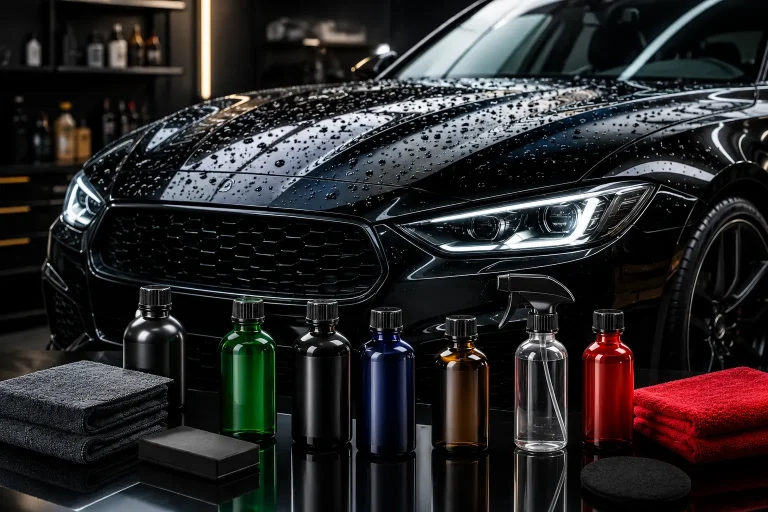
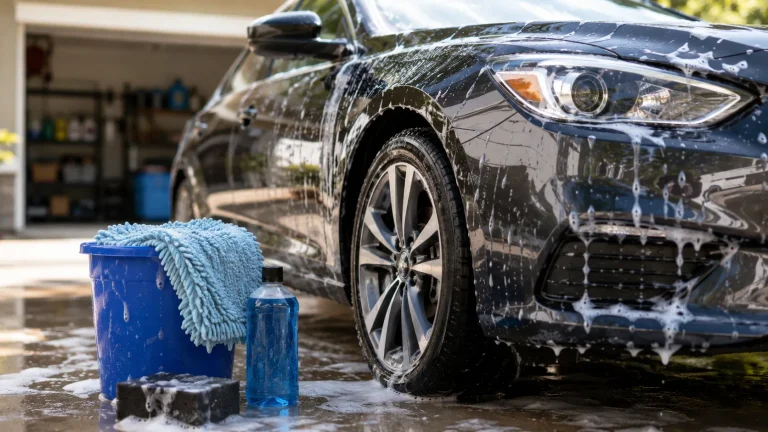
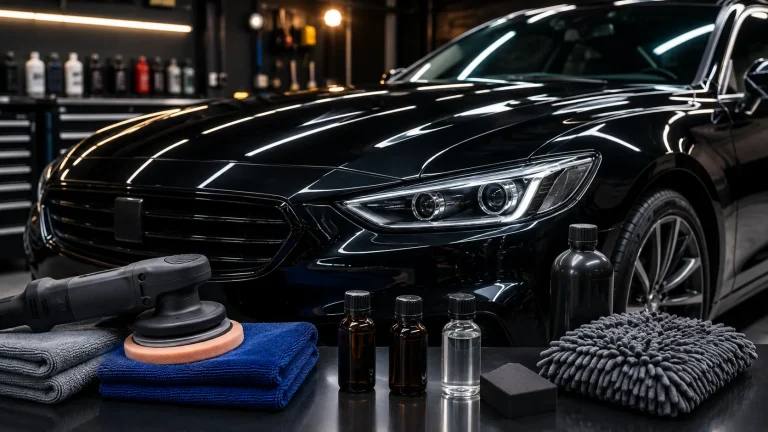
For most drivers, I recommend a basic two-bucket wash kit with a microfiber mitt, pH-balanced shampoo, grit guards, and a plush drying towel. You do not need pro-level detailing gear to wash an uncoated car safely.
How to Wash a Car Without Ceramic Coating Step by Step
This is my simple driveway method. It works for sedans, SUVs, trucks, and daily drivers that do not have ceramic coating.
Do not wash in direct hot sun. Heat makes soap and water dry too fast. That can leave spots on the paint.
Use clean water to remove loose dust, sand, and road grime. Start from the roof and work down.
Brake dust is gritty. Clean wheels and tires before touching the paint. Use a separate brush or mitt for wheels only.
Fill one bucket with soapy water and one bucket with clean rinse water. Rinse your mitt often before loading it with fresh soap again.
The lower panels are usually the dirtiest. Wash the roof, glass, hood, doors, and then the lower panels last.
Do not let soap dry on the car. Rinse often, especially in warm weather.
Use a clean microfiber drying towel. Pat or gently pull the towel across the paint. Do not use bath towels.
If your car has no ceramic coating, a spray wax or paint sealant adds a useful layer of protection after washing.
Why This Wash Method Matters
When a car has no ceramic coating, the paint is more open to water spots, bug marks, tree sap, and road salt. That does not mean the paint is weak. It just means you need to treat it with care.
The NHTSA vehicle safety information is a good reminder that basic vehicle care is part of owning a car responsibly. Clean glass, clean lights, and clear mirrors all help visibility.
A clean car also helps you spot small issues early. You may notice chipped paint, cracked trim, loose mud flaps, tire wear, or cloudy headlights before they become bigger problems.
After long highway drives, I always rinse the front bumper, mirrors, and windshield first. Bugs dry fast and can stain paint if they sit too long, especially on cars with no ceramic coating.
Do’s and Don’ts for Washing a Car Without Ceramic Coating
- Use car shampoo made for automotive paint.
- Wash from the cleanest areas to the dirtiest areas.
- Use a separate mitt or brush for wheels.
- Dry the car right after rinsing.
- Add wax or sealant for extra protection.
- Do not use dish soap for regular washes.
- Do not scrub dry dirt into the paint.
- Do not use one dirty sponge for the whole car.
- Do not let soap dry on hot panels.
- Do not use rough towels or old shirts for drying.
Best Wash Gear for a Non-Coated Car
This wash method works for most factory clear coat finishes on cars, trucks, SUVs, vans, and crossovers. If your car has matte paint, vinyl wrap, or paint protection film, check the care instructions before using wax or polish.
Budget Estimate for a Safe Home Car Wash Kit
If you already own buckets and towels, your real cost may be much lower. I would rather spend money on better towels and safer soap than on flashy extras.
Install Tips for Setting Up Your Wash Area
- Keep your wash gear in one storage bin so it stays clean.
- Label your wheel brush so you never use it on paint.
- Store microfiber towels away from dust, sand, and garage debris.
- Use a hose nozzle with a gentle shower setting for rinsing.
- Keep quick detailer nearby for light water spots after drying.
Wash the lower rocker panels last. They collect the most grit from the road. If you wash them early, your mitt can carry dirt to cleaner paint areas.
A non-ceramic-coated car can still have wax or sealant on it. If water beads on the paint, some protection may still be there. If water sits flat, the paint likely needs fresh protection after washing.
Be careful when washing wheels, tires, and lower panels. Wet driveways can get slippery. Also avoid spraying high-pressure water directly into electrical connectors, sensors, cameras, or damaged trim.
Many modern cars have cameras, radar sensors, and parking sensors around the bumpers. Keeping these areas clean can help driver-assist features work better, but you should clean them gently.
Car Wash Soap vs Dish Soap vs Waterless Wash
I know dish soap feels tempting. It is already in the kitchen, and it cuts grease fast. But that is the problem. Dish soap can strip wax and dry out trim when used often.
A real car shampoo is made for paint, clear coat, rubber, and trim. If you want more gear ideas, you can also browse our garage essentials section.
| Wash Product | Best Use | My Take |
|---|---|---|
| pH-balanced car shampoo | Regular hand washing | Best choice for most cars without ceramic coating |
| Dish soap | Rare deep cleaning before polishing or waxing | Not ideal for normal washing |
| Waterless wash | Light dust only | Useful, but risky on heavy dirt |
| Rinseless wash | Apartment or low-water washing | Good when used with many clean towels |
Common Problems When Washing an Uncoated Car
Most wash problems are easy to prevent. The key is slowing down and using clean tools.
| Problem | Common Cause | Simple Fix |
|---|---|---|
| Swirl marks | Dirty mitt, dry wiping, rough towel | Use microfiber and rinse your mitt often |
| Water spots | Washing in sun or letting water dry | Wash in shade and dry right away |
| Streaky paint | Too much soap or poor rinse | Use correct soap mix and rinse fully |
| Bug stains | Bugs left on paint too long | Soak first, then wash gently |
| Faded trim | Harsh cleaners or old wax residue | Use trim-safe products and avoid dish soap |
How Often Should You Wash a Car Without Ceramic Coating?
For most daily drivers, washing every two weeks is a good rule. If you drive through salt, mud, pollen, bugs, or coastal air, wash sooner.
AAA shares useful car care advice for drivers who deal with harsh road conditions and seasonal maintenance. You can review AAA auto repair and maintenance tips for more basic upkeep guidance.
If your car sits outside, keep an eye on bird droppings, tree sap, and hard water. These can stain paint faster than normal dirt.
Should You Wax After Every Wash?
No, you do not need to wax after every wash. But if your car has no ceramic coating, wax or sealant helps a lot.
A spray wax after washing is fast and easy. A liquid wax or paint sealant lasts longer but takes more time. I like spray wax for quick weekend washes and sealant every few months.
| Protection Type | Ease of Use | Best For |
|---|---|---|
| Spray wax | Very easy | Quick shine after washing |
| Liquid wax | Medium | Better gloss and short-term protection |
| Paint sealant | Medium | Longer protection than basic wax |
| Ceramic spray | Easy to medium | Slick feel and strong water beading |
Can an Automatic Car Wash Damage a Car Without Ceramic Coating?
It can, especially if it uses spinning brushes. Those brushes can hold grit from other cars. That grit can leave fine scratches and swirls.
Touchless washes are usually safer, but they may use stronger chemicals. Hand washing gives you more control. Consumer Reports also explains why car wash methods and maintenance choices matter for long-term vehicle care through its car maintenance guidance.
If you must use an automatic wash, choose touchless when possible. Then dry the car with a clean towel if water sits on the paint.
Quick Checklist Before You Start Washing
- Make sure the car is cool to the touch.
- Park in shade if possible.
- Use clean microfiber towels only.
- Keep wheel tools separate from paint tools.
- Check that your shampoo is safe for automotive paint.
- Rinse heavy dirt before touching the paint.
- Have drying towels ready before you start.
What About Car Electronics, Cameras, and Sensors?
Many newer cars have backup cameras, parking sensors, blind spot sensors, and radar units. You can clean them, but do not blast them with a pressure washer from inches away.
Use gentle water, soft soap, and a microfiber towel. If you use dash cams, GPS units, or other smart driving accessories, keep the inside windshield clean too. For more related gear, visit our car electronics section.
Edmunds has helpful buying and ownership resources if you want broader advice on keeping your car in good shape. I like using sources such as Edmunds car maintenance resources when checking general maintenance topics.
- Use a pH-balanced car shampoo, not dish soap, for regular washing.
- Use the two-bucket method to reduce swirl marks.
- Dry the car right away to prevent water spots.
- Add wax or sealant because the car has no ceramic coating.
- Clean sensors, cameras, wheels, and lower panels with extra care.
The best way to wash a car without ceramic coating is to be gentle, use clean microfiber gear, rinse often, and protect the paint with wax or sealant after the wash.
FAQ: How to Wash a Car Without Ceramic Coating
Yes. You can safely wash it at home with car shampoo, two buckets, a microfiber mitt, and a soft drying towel.
Use a pH-balanced car shampoo. It is safer for clear coat, wax, sealant, rubber, and plastic trim.
I do not recommend dish soap for regular washing. It can strip wax and leave paint and trim less protected.
Rinse first, use a clean microfiber mitt, wash from top to bottom, and rinse your mitt often in a separate bucket.
Yes. Wax or paint sealant adds a useful layer of protection and makes the next wash easier.
Every two weeks works for many daily drivers. Wash sooner if the car has salt, mud, bugs, pollen, or bird droppings on it.
It is usually safer than a brush wash, but hand washing still gives you better control over the paint and drying process.
Conclusion
Learning how to wash a car without ceramic coating is not hard. You just need the right habits. Rinse first, use real car shampoo, wash gently, dry with microfiber, and protect the paint after the wash.
If your car is a daily driver, I would keep a small wash kit ready in the garage. A simple kit can save your paint from swirl marks, water spots, bug stains, and dull clear coat.
My practical recommendation is simple: skip dish soap, avoid dirty sponges, and add spray wax or sealant after washing. Your car will look cleaner, feel smoother, and stay easier to maintain between washes.