Is Ceramic Coating Safe for Your Car? A Practical Guide
Yes, ceramic coating is safe for most cars when it is used on clean, healthy paint and applied the right way. The main risks come from poor prep, wrong product use, hot panels, cheap coatings, or applying it to surfaces the product was not made for.
Ceramic coating is usually safe for car paint, glass, wheels, and some trim when the product label allows it. It is not safe to apply over dirty paint, damaged clear coat, fresh paint, or matte finishes unless the coating is made for that surface.
I’m Brandon Walker, and I like ceramic coatings because they make a car easier to wash and keep clean. But I also know one thing from real garage work: the coating is only as safe as the prep behind it.
A good ceramic coating can protect your clear coat, improve water beading, and make road grime easier to remove. A rushed install can leave streaks, high spots, or a messy finish that is hard to fix.
What Does “Safe” Mean With Ceramic Coating?
When people ask, “Is ceramic coating safe?” they usually mean one of three things.
Will it damage my paint? Is it safe to apply myself? And is it safe around my skin, lungs, pets, or garage space?
The simple answer is yes, ceramic coating is safe when you follow the instructions. But it is still a chemical product. You need clean paint, good airflow, gloves, and patience.
If you are new to detailing, start with our car care guide before using stronger paint protection products.
Is Ceramic Coating Safe for Car Paint?
Yes, ceramic coating is safe for most modern car paint. Most vehicles today have a base coat and a clear coat. Ceramic coating bonds to the clear coat and adds a thin protection layer on top.
It does not burn into the paint like acid. It does not replace the clear coat. It also does not make the car scratch-proof.
The danger comes when someone applies ceramic coating over dirty paint, water spots, oxidation, wax residue, or swirl marks. The coating can lock those problems under the surface.
Ceramic coating bonds best to clean, bare, oil-free clear coat. Wax, polish residue, old sealant, and road film can stop the coating from bonding evenly.
When Ceramic Coating May Not Be Safe
Ceramic coating is not a magic product for every surface. Some cars need extra care before coating.
If the clear coat is peeling, faded, cracked, or badly oxidized, coating will not fix it. It may even make the damaged area look more obvious.
| Surface or Condition | Is Ceramic Coating Safe? | What to Check First |
|---|---|---|
| Healthy modern clear coat | Usually safe | Wash, clay, polish if needed, then panel wipe |
| Fresh paint | Not always safe right away | Ask the painter about cure time before coating |
| Peeling clear coat | Not recommended | Repair paint before adding coating |
| Matte paint | Only with matte-safe coating | Use a product made for matte finishes |
| Vinyl wrap | Only with wrap-safe coating | Check product label for vinyl compatibility |
| Glass | Often safe with glass coating | Do not use paint coating unless label allows it |
| Plastic trim | Depends on product | Test first or use trim-safe coating |
How Ceramic Coating Works
Ceramic coating is a liquid formula that cures into a hard, slick layer. Many formulas use SiO2 or similar ceramic-based chemistry.
Once applied, it helps water bead and slide off the paint. It also helps reduce bonding from dirt, bugs, light road grime, and some chemicals.
For general auto care and buying research, trusted sources like Car and Driver and Consumer Reports are useful places to compare broader vehicle ownership advice.
What You’ll Need for a Safer Ceramic Coating Job
Good prep makes ceramic coating safer. You want the surface clean, dry, cool, and free from old wax or polish oils.
I also suggest working indoors or in a shaded garage. Direct sun can make the coating flash too fast and leave marks.
For basic home setup, see our tools and garage gear guide.
How to Apply Ceramic Coating Safely
Start with a clean wash using pH-neutral soap. Remove loose dirt before touching the paint too much.
Use a clay bar or clay towel if the paint feels rough. This helps remove bonded grime that washing cannot remove.
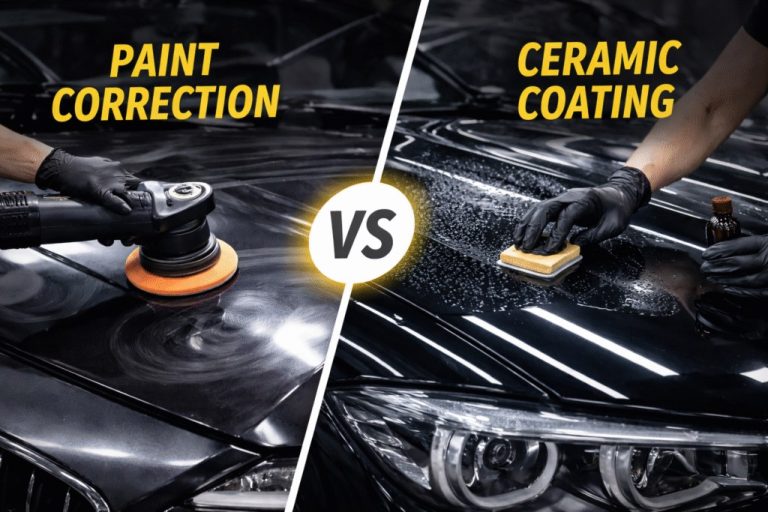
If the paint has swirls or haze, polish before coating. Ceramic coating will not hide bad paint prep.
Wipe the panel with a prep spray to remove oils. This helps the coating bond evenly.
Work one small area at a time. Level and buff the coating before it dries too hard.
Keep the car dry during the early cure window. Avoid washing too soon after application.
Why Ceramic Coating Safety Matters
Ceramic coating safety matters because the product sits on the most visible part of your car: the paint.
If you install it well, it can make washing easier and keep the car looking cleaner. If you install it badly, you may need polishing to remove streaks or high spots.
It also matters because some coatings have strong smells or solvents. You do not want to use them in a closed garage with no airflow.
I once helped a friend apply a ceramic spray before a long weekend drive. The car was easier to wash after rain and bugs, but the best result came from the prep. The clean panel looked better and felt slicker than the rushed panel.
Dos and Don’ts for Safe Ceramic Coating
- Read the label before using the product.
- Wear gloves during application.
- Work in shade or indoors.
- Use clean microfiber towels.
- Test on a small area if unsure.
- Keep the car dry during cure time.
- Do not coat dirty paint.
- Do not apply on hot panels.
- Do not use paint coating on glass unless allowed.
- Do not coat peeling clear coat.
- Do not apply too much product.
- Do not wash the car too soon after coating.
Common Ceramic Coating Safety Problems
Most ceramic coating problems are not caused by the coating being unsafe. They come from poor prep, bad timing, or wrong surface use.
| Problem | Common Cause | Safer Solution |
|---|---|---|
| High spots | Coating was not leveled in time | Work smaller sections and use good lighting |
| Streaking | Too much product or hot panel | Use less product and apply in shade |
| Poor bonding | Wax, oil, or dirt left on paint | Use panel prep before coating |
| Hazy finish | Coated over oxidation or defects | Polish paint before applying coating |
| Trim staining | Wrong coating used on plastic | Use trim-safe coating or tape off trim |
| Short durability | Early washing or harsh soap | Let coating cure and use gentle wash products |
Is Ceramic Coating Safe for Glass, Wheels, and Trim?
Ceramic coating can be safe for glass, wheels, and trim, but only when the product is made for that use.
A paint coating is not always the same as a glass coating. A wheel coating must handle more heat and brake dust. A trim coating should be safe for textured plastic.
Always match the coating to the surface. Use paint coating for paint, glass coating for glass, wheel coating for wheels, and trim coating for plastic trim unless the label clearly says it works on multiple surfaces.
Budget Estimate for a Safer Ceramic Coating Setup
Cheap coating is not always the best value. A safer setup includes prep products, towels, gloves, and time.
Install Tips for Ceramic Coating Safety
- Read the product instructions twice before starting.
- Do not apply ceramic coating in direct sunlight.
- Use fresh towels for leveling and buffing.
- Keep children and pets away from the work area.
- Do not coat the whole car at once.
- Use a small test spot if you are working on trim or glass.
- Wait before washing the car after coating.
If you are nervous about a full ceramic coating, start with a ceramic spray. It is easier to apply, easier to fix, and safer for beginners than many long-term wipe-on coatings.
Wear gloves and use ceramic coating in a well-ventilated area. Avoid breathing strong fumes, keep the product away from your eyes, and do not use it near open flames or hot surfaces.
Is Ceramic Coating Safe for New Cars?
Yes, ceramic coating is usually safe for new cars. In fact, a new car is often one of the best candidates because the paint may need less correction.
But do not skip inspection. New cars can still have rail dust, dealer-installed swirl marks, water spots, or transport film residue.
For broader ownership and safety research, I like checking NHTSA vehicle resources. For repair and maintenance topics, AAA auto repair guidance can also be helpful.
Is Ceramic Coating Safe for Older Cars?
Ceramic coating can be safe for older cars if the paint is still healthy. If the clear coat is failing, coating is not the fix.
On older cars, I would inspect the hood, roof, trunk, and upper door panels first. These areas take the most sun damage.
If the paint is faded but still stable, polishing before coating may help. If the clear coat is peeling, the better answer is paint repair.
Ceramic coating helps protect the surface, but it does not rebuild damaged clear coat. If the clear coat is already failing, the coating cannot bring it back.
Should Beginners Use Ceramic Coating?
Beginners can use ceramic coating safely, but the product type matters.
A ceramic spray is the easiest starting point. A true wipe-on coating takes more patience and better lighting. Professional-grade coatings may not be beginner-friendly.
For first-time buyers, I would avoid the strongest coating you can find. Start with something easy to apply and easy to maintain.
For beginners, I would start with a ceramic spray or simple DIY coating kit before using a long-term professional-style coating. It is safer, more forgiving, and still gives useful protection for a daily driver.
Does Ceramic Coating Protect Against Scratches?
Ceramic coating can help reduce very light wash marks, but it does not make your car scratch-proof.
Keys, branches, road debris, and rocks can still damage paint. If scratch and chip protection is your main goal, paint protection film is stronger.
This is why I see ceramic coating as a cleaning and chemical protection upgrade, not armor.
Final Verdict on Ceramic Coating Safety
- Ceramic coating is safe for most healthy modern car paint.
- The biggest risks are poor prep, wrong surface use, and rushed application.
- Beginners should start with ceramic sprays or easy DIY kits.
- Do not apply ceramic coating to peeling clear coat, hot panels, or fresh paint without checking first.
- Use gloves, good airflow, clean towels, and proper cure time.
Ceramic coating is safe when you use the right product on the right surface and prep the car correctly. If you are unsure, start with a beginner-friendly ceramic spray or ask a trusted detailer before applying a long-term coating.
Frequently Asked Questions
Yes, ceramic coating is safe for most healthy modern car paint when the surface is clean, dry, and properly prepped before application.
Ceramic coating usually does not damage healthy clear coat. Problems happen when it is applied over dirty paint, damaged clear coat, or the wrong surface.
Yes, many DIY ceramic coatings are safe for careful beginners. Wear gloves, work in shade, use good airflow, and follow the product instructions closely.
Yes, ceramic coating is usually safe for new cars. Still, the paint should be washed, inspected, and cleaned before coating because new cars can have swirl marks or rail dust.
Ceramic coating can be safe for glass if the product is made for glass. Do not use a paint-only coating on glass unless the label says it is safe.
It depends on the coating. Some coatings are safe for plastic trim, while others can stain it. Use trim-safe products or test a small area first.
Only use a matte-specific ceramic coating on matte paint. Regular coatings may change the look or add unwanted gloss.
Avoid washing too soon, parking under sprinklers, using harsh soaps, or touching the paint during the early cure window.
Conclusion: So, Is Ceramic Coating Safe?
Yes, ceramic coating is safe for most cars when the paint is healthy and the product is applied correctly. It can help protect the clear coat, make washing easier, and keep the car looking cleaner for longer.
The key is to respect the process. Wash the car, remove bonded dirt, prep the panel, use the right product, and give the coating time to cure.
My practical advice is simple: start easy, work clean, and do not rush. A safe ceramic coating job is not about using the strongest product. It is about using the right product the right way.